Ingo Heijnen, New Supervisory Board Member: “Oversight isn’t just about making critical judgments; it’s also about contributing ideas”
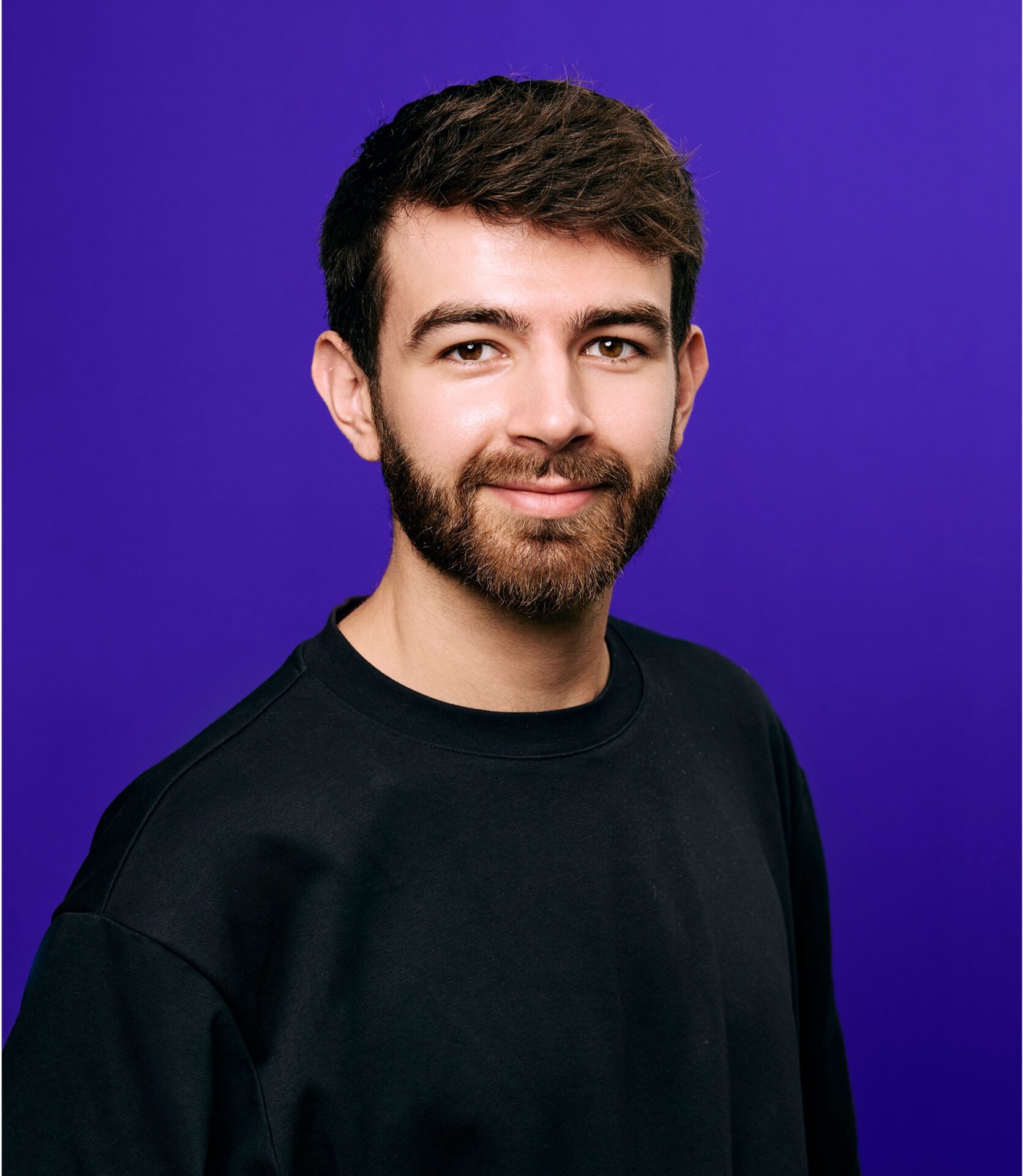
Ingo Heijnen (56) has been a member of SDM’s supervisory board since May of this year. Heijnen has decades of experience in strategic consulting and communications and is a co-founder of Duke Strategies. Prior to that, he worked at Hill & Knowlton, where he served, among other roles, as CEO. He has also previously held supervisory roles at SIRE and Stichting Jong Ondernemen.
Why did you say yes when you were asked to take on this role?
“Because this topic has been close to my heart for a very long time. The role of the media in society is something I’ve been engaged with my entire professional life. It actually started back when I was studying journalism. In my work, I’m constantly confronted with the impact the media has on society.”
“A well-functioning, independent media keeps society informed. It enables citizens to make informed democratic choices. The media plays an incredibly important role in this—perhaps the most important role of all. A role greater than many journalists realize.”
What responsibility does that place on the shoulders of the media?
When the media inform the public, they have the responsibility to do so with real care. My experience over the past few years is that this care is unfortunately diminishing. Under the influence of the internet and social media, the media were forced to make massive cuts to their organizations. These were always large organizations with enough people to investigate matters. Far fewer people work there now.
At the same time, social media has caused the speed at which news is produced and the volume of news to increase exponentially. So fewer people on editorial staff have to produce more news. That encourages carelessness. Nowadays, you see things in the newspaper and on TV every day that aren’t accurate. To a large extent, this can be attributed to carelessness caused by time constraints.’
“You have to be careful not to become truly cynical, but that’s just the way it is: money rules.”
That carelessness pales in comparison to the disinformation on social media.
“Yes, the main criticism you have to level at social media platforms is that they completely fail to take action against it. Inaccurate information is deliberately spread, which disrupts our society. It is deeply reprehensible that the owners of the major social media platforms have chosen to do little or nothing to counter this.
Not long ago, I read the book *Careless People: A Story of Where I Used to Work* by Facebook’s former Director of Global Public Policy. She describes how the company’s leadership deliberately failed to take action against the platform’s harmful excesses—for example, when they saw that Facebook was being misused to facilitate massacres of the Rohingya in Myanmar. The book is full of such examples. That speaks volumes.’
Does that confirm for you that we can’t trust these companies?
“I think so. I have over thirty years of experience guiding and advising large companies. You have to be careful not to become too cynical, but it’s just the way it is: money rules. If there’s money to be made, many decisions will be aimed at ensuring that money is actually made. That’s not necessarily immoral. Of course, it does become immoral the moment you know that your infrastructure is being misused to do very harmful things, and you refuse to intervene.”
You have previously held supervisory positions at organizations such as SIRE and Stichting Jong Ondernemen. How does SDM distinguish itself from other organizations?
“The issue SDM focuses on is unique: the role of our media in serving our democracy. There is no other organization in the Netherlands that addresses this issue in this way and stimulates debate on it.’
What is the difference between your day-to-day work as a consultant and your role as a regulator?
“There is some overlap, because as a regulator, you also provide advice. That’s what’s expected of us. But of course, that’s not all; the term ‘regulator’ says it all. We also look at what’s happening within SDM. Does it align with the guiding principles and strategy? Can the organization handle it financially and operationally? Is it responsible? That doesn’t mean you just sit back and pass critical judgment—it means you actively contribute ideas as well.’
“Without an audience, you’re no longer relevant”
What is the biggest challenge facing our media landscape today?
“It’s twofold. First, media organizations must maintain their credibility. Despite the aforementioned time constraints, I see a lot of attention being paid to this topic in editorial media. The second point is becoming increasingly difficult: maintaining and expanding reach. That’s important, because without an audience, you’re no longer relevant. Media outlets are racking their brains over this: how do you still attract readers, viewers, and listeners these days?’
What do you think? How should the media engage their audience?
“If only I knew the answer to that… Every day, hundreds of people are thinking about how to expand their reach. To do that, you need to understand the perspectives of your target audiences. You need to understand what they want to see—and in what format.”
“But it’s not up to us, as the supervisory board, to tell the media how to do their job. On the contrary, I think SDM should spur the debate. We need to keep society on its toes: media executives, politicians, interest groups, and ultimately the public as well.”