Media parties, Minister, and State Secretary meet to discuss the future of the media landscape
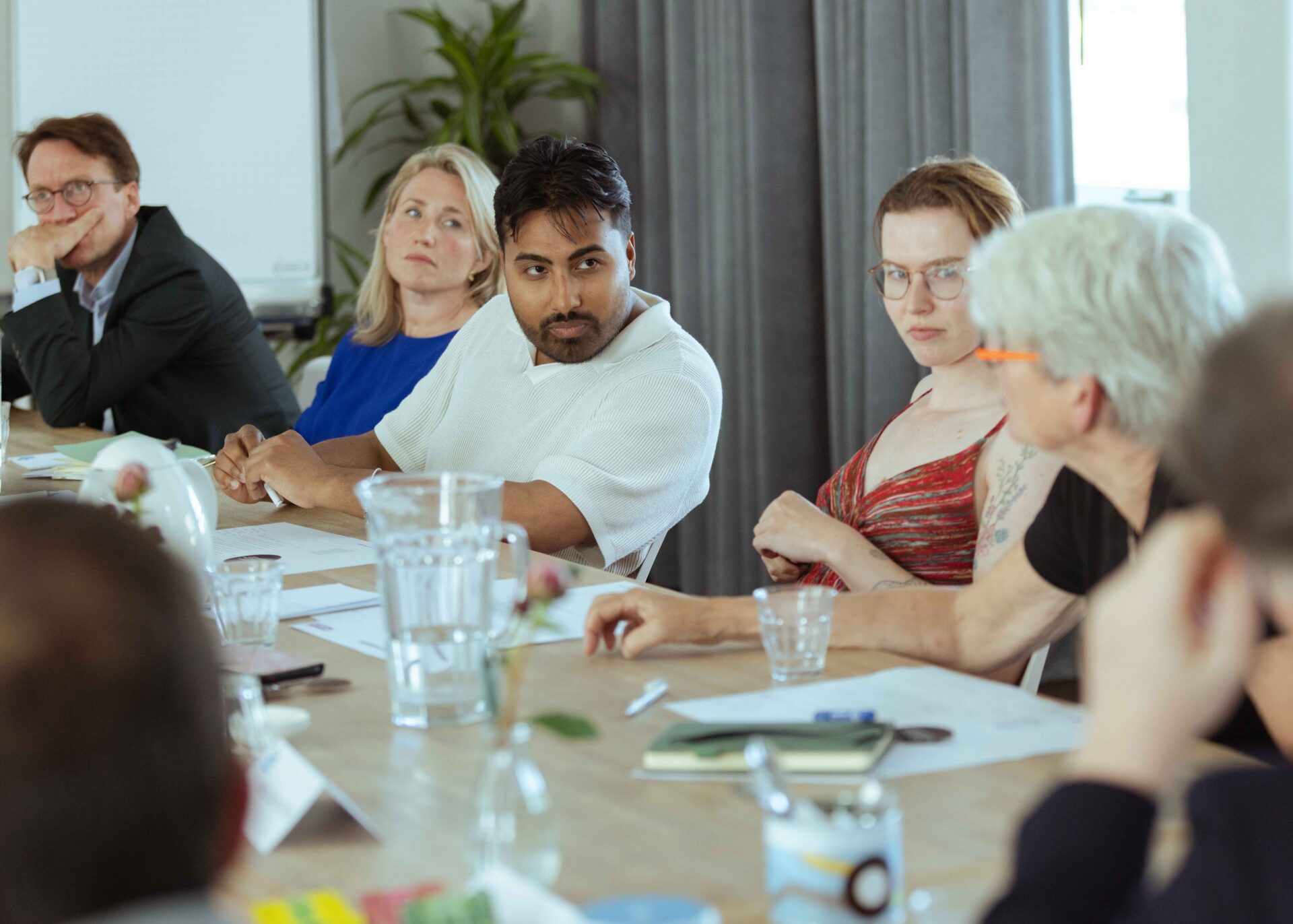
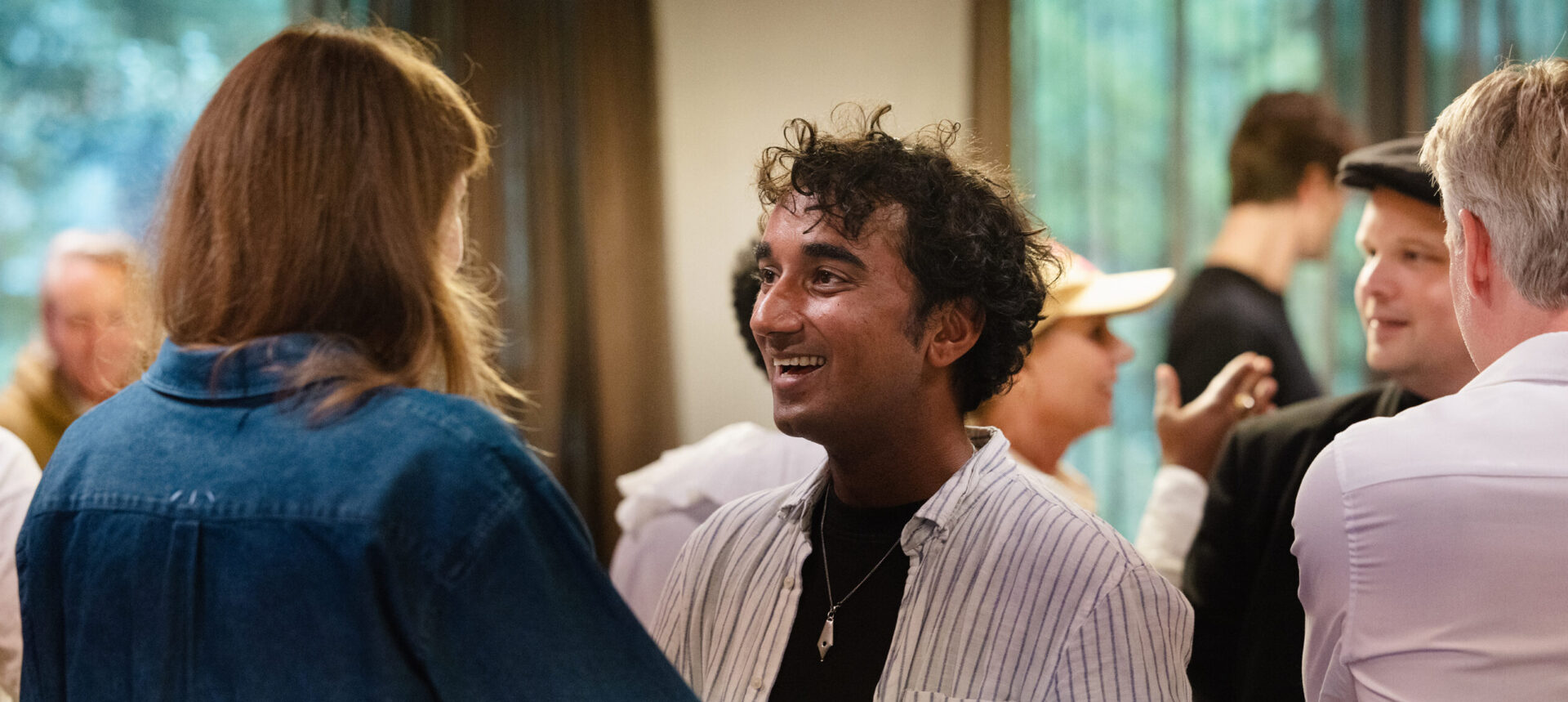
At the initiative of the Democracy and Media Foundation, a delegation from the Media Coalition met on Wednesday evening, July 1, with Rianne Letschert (Minister of Education, Culture, and Science) and Willemijn Aerdts (State Secretary for the Digital Economy and Sovereignty, Ministry of Economic Affairs and Climate Policy). Executives from leading Dutch media organizations spoke with the government officials about the future of our media landscape.
Attendees included Rien van Beemen (CEO Mediahuis Nederland), Barry Masclee (CCO Talpa), Jan Müller (CEO Regional Public Broadcasters), Jet de Ranitz (Chair of the Board NPO), Martha Riemsma (General Director ANP), Erik Roddenhof (CEO DPG Media), Jan-Willem Sanders (Follow the Money), and Nienke Venema (Managing Director Stichting Democratie en Media). Directors-General Youssef Louakili (OCW) and Gerdine Keijzer-Baldé (EZK) also participated in the discussion.
Well-informed society
The importance of a free and well-informed society was endorsed by all attendees. Three points were central to the discussion.
1. Media and technology cannot be seen in isolation and must be approached in an integrated manner. The social functions of public information provision are the starting point. This involves three core values: accessibility, traceability of information, and accountability for what is shared. This also aligns with the recommendations of the Scientific Council for Government Policy.
2. This is not just a distant vision. Even before that vision is fully enshrined in laws and regulations, there are plenty of opportunities to put it into practice – and we are going to work on that.
3. Partners in the Media Coalition are already starting on actions and solutions that reduce our dependencies and create a more level playing field.
The discussion partners emphasize the importance of taking concrete steps during this cabinet term to protect public information provision and make it future-proof. This is so that we can exchange dependency on algorithms and the risk of fabricated disinformation for an open and diverse debate, with well and freely informed citizens.
Urgent appeal
The meeting resulted from the urgent appeal that Stichting Democratie en Media sent to the coalition-forming parties in November on behalf of the entire media sector. ‘Our reliable information provision is in danger,’ we wrote. Not because of new technological developments, but because a handful of global tech giants increasingly determine what millions of Dutch people get to see and hear.
This is particularly harmful because these companies are not accountable for their behavior and pay little heed to laws and regulations. If we do nothing now, we risk moving toward a reality where we no longer know where our information comes from and have no control over why something is recommended or omitted. This poses a threat to our public debate, and thus to our democracy.
‘A proper response to this development requires innovation and creativity from us, but also an innovative approach to media policy in the Netherlands,’ according to the 23 media parties that signed the letter.
Photo: Amber Smeele
News and articles