Alumni Reunion for the Three-Day Journalism Program: “I’m standing here as a different person than I was two years ago”
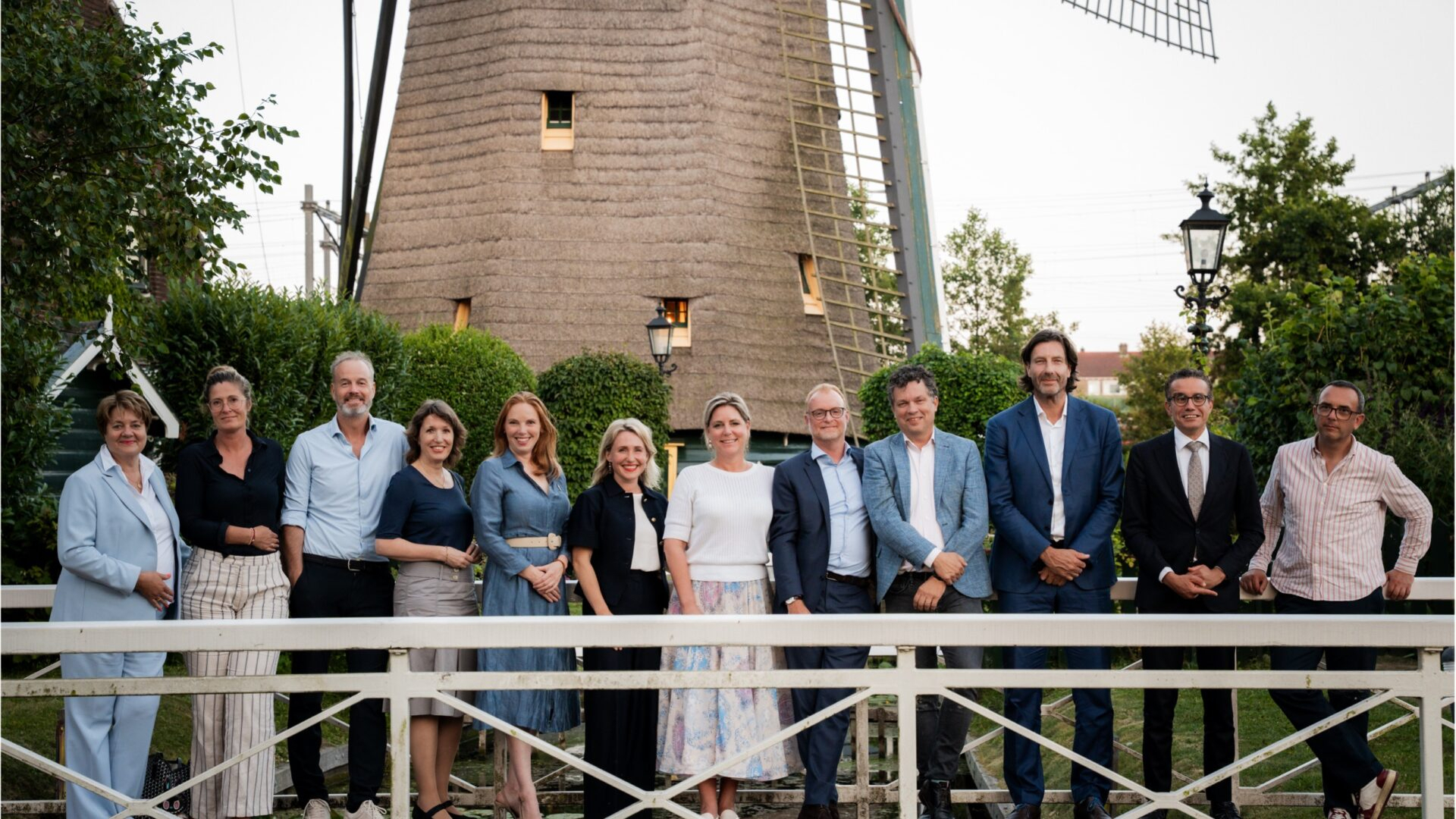
On October 7, 2026, participants from the 2024 and 2026 Journalism Three-Day Workshops gathered in Amsterdam for a reunion. How do they view now the questions they spent three days discussing back then?
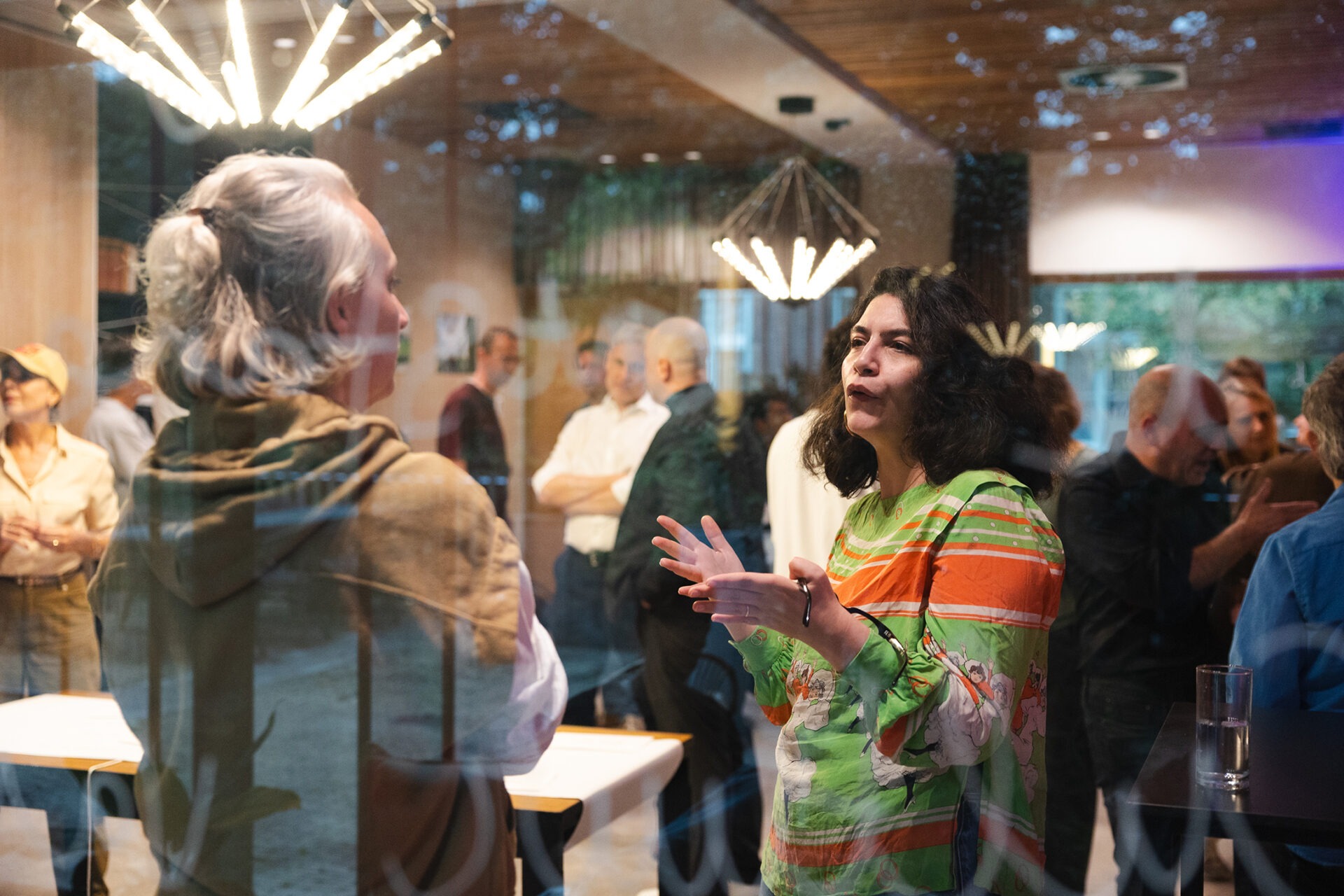
The first edition focused on the question of how journalism can remain relevant. Since then, tech giants and their AI have become even more deeply embedded in our information ecosystem, and everyone agreed on that. “I’m standing here as a different person than I was two years ago,” said one participant. “Back then, I was much more hopeful—at least when it came to legacy media.” Now she doubts whether the established media can still be saved. “Maybe it has to die first, so that something new can rise from the ashes.” She sees hope mainly in new initiatives outside the mainstream, even though independent media and individual creators are also struggling.
Another participant had insisted on sticking strictly to the facts just two years ago, but now thinks differently. “Facts alone aren’t enough anymore; there has to be a human element as well.” The 2026 group examined the democratic role of journalists in today’s communication culture. It has been less than a year since the Three-Day Event, and the tone there seemed somewhat less somber. However, they, too, found it difficult to address their question. One participant actually found it hopeful that everyone, everywhere, is grappling with the same questions. Yet there was also a sense of unease. Two participants had heard journalists in The Hague ask aloud, “What are we actually doing here?” And for another, not a day goes by without the topic of AI and journalism coming up.
AI as a scapegoat
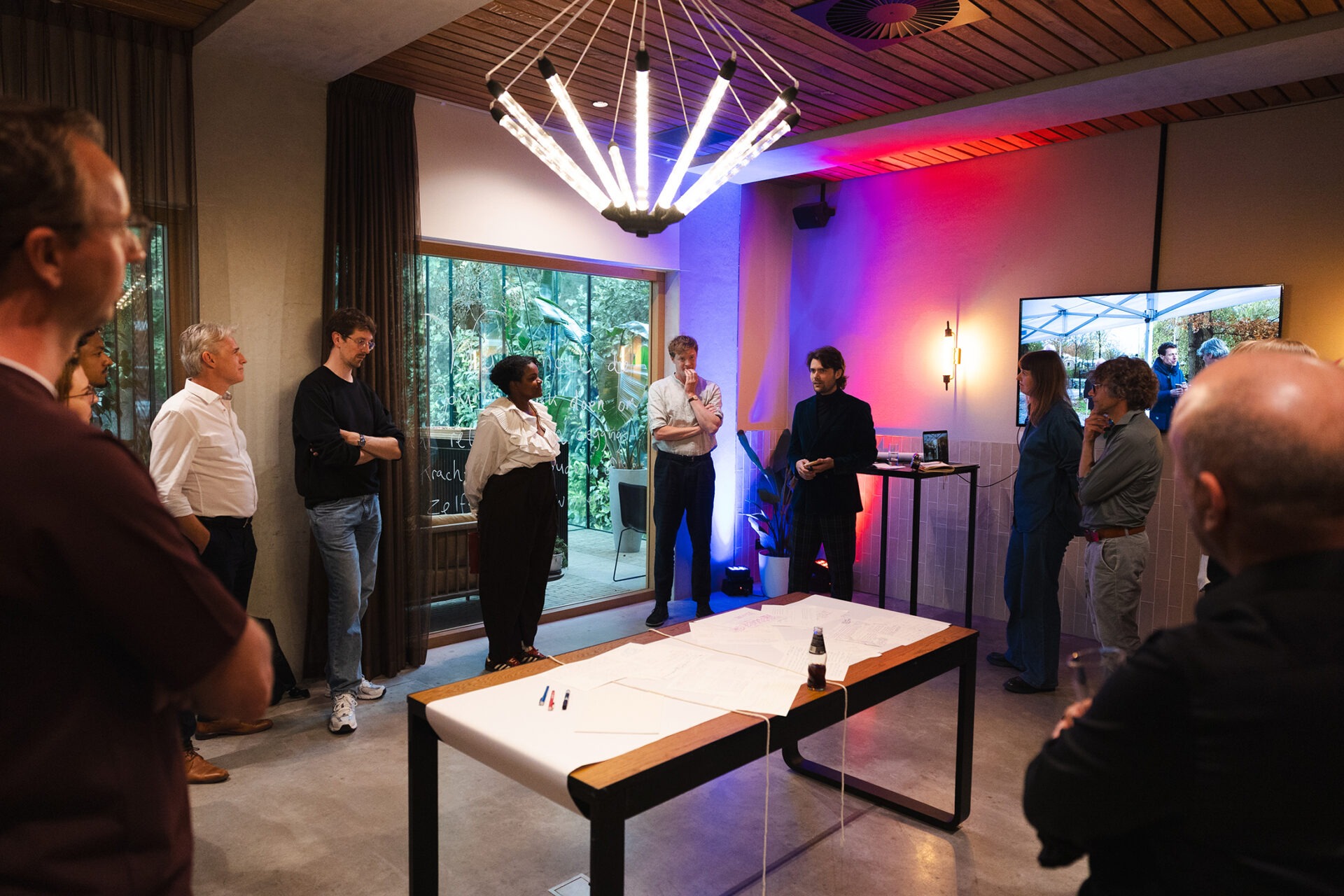
Gloomy or not, neither group was resigned to the situation. Frustration was often voiced, but not just about tech companies and AI. It was also about how everyone points to AI as a scapegoat, even though there are many other issues at play. In the industry, AI has become an explanation for all problems. For example, journalists keep pointing the finger outward, while there’s also quite a bit of work to be done in newsrooms and within the media system itself. “It’s both-and” emerged as a common theme. “AI is a problem, and journalistic media have work to do.”
What did the Three-Day Journalism Workshop set in motion? For one participant, the question of how journalism remains relevant was initially just something to start thinking about. Now it’s a central theme in their own work and in their thinking about journalism. “It’s actually the only truly important question.” Someone else replied that journalists need to relearn how to listen to their audience, and has since made this the core of their own work.


Two Futures
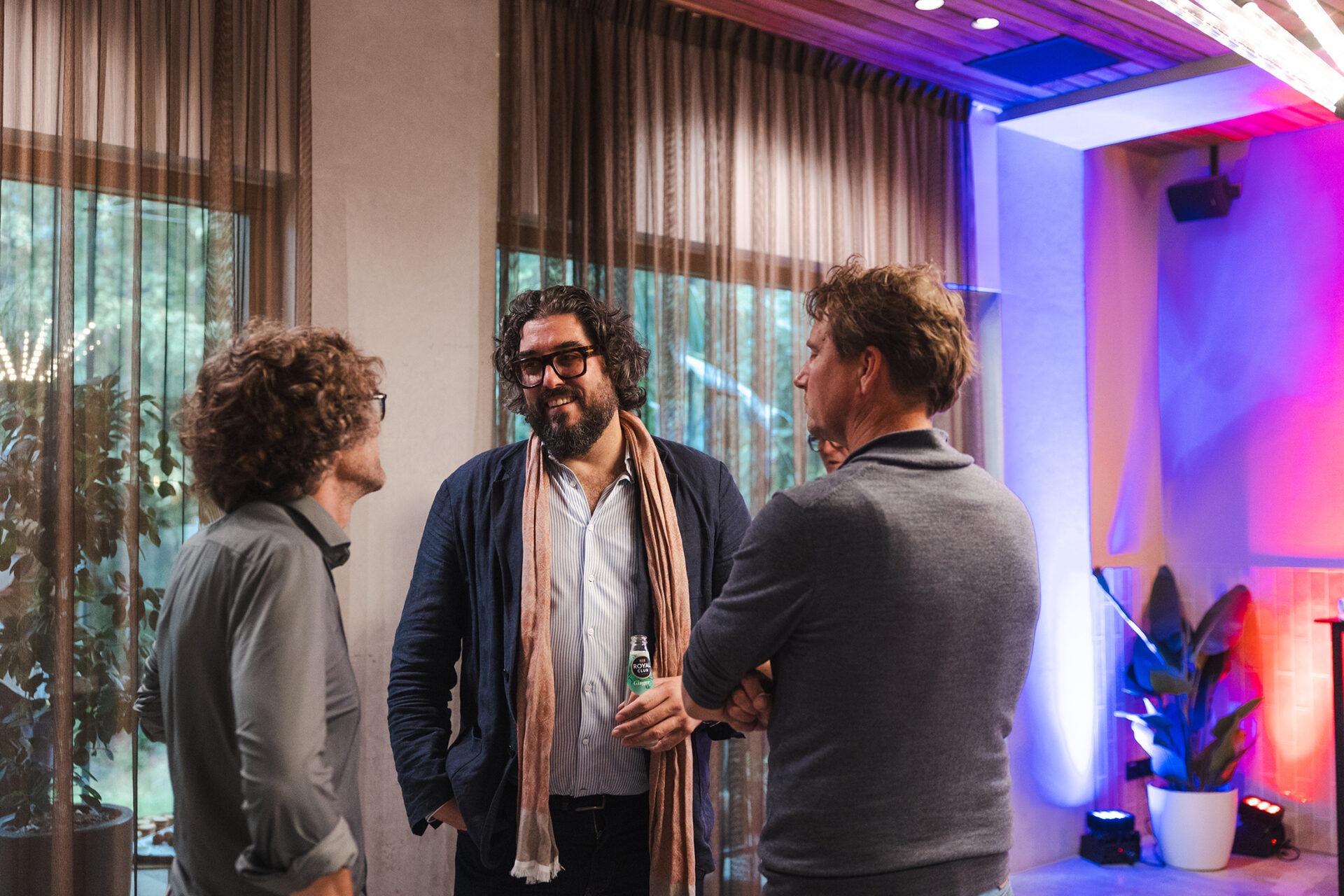
Ezra Eeman, who recently became Director of AI and Media at the publishing organization WAN-IFRA, introduced participants to the world of AI agents: systems that not only give you advice but also take action on their own. A chatbot tells you which trip you can book; an AI agent books it for you. AI agents search and choose for you, and soon they’ll anticipate what you think you’ll need. “It’s less and less about the creation itself, and more and more about who upholds the promise of journalism.” For each dilemma, Eeman outlined two possible futures, one of which is heavily shaped by AI agents.
One of the dilemmas concerned the form of journalism. Will the article remain the foundation, or will news become fluid—for example, as audio, a summary, or a conversation—tailored to the consumer? Bits and pieces that you can consume in various forms, depending on your personal preferences. For some, it was a non-issue, since journalism has never been limited to a single form. Another person firmly stood by the article, arguing that it is best suited to presenting large amounts of information in a nuanced and comprehensive way. A third person saw a greater risk. If everyone gets their own version of the news, you can no longer talk about it together. “You need a shared reality.”
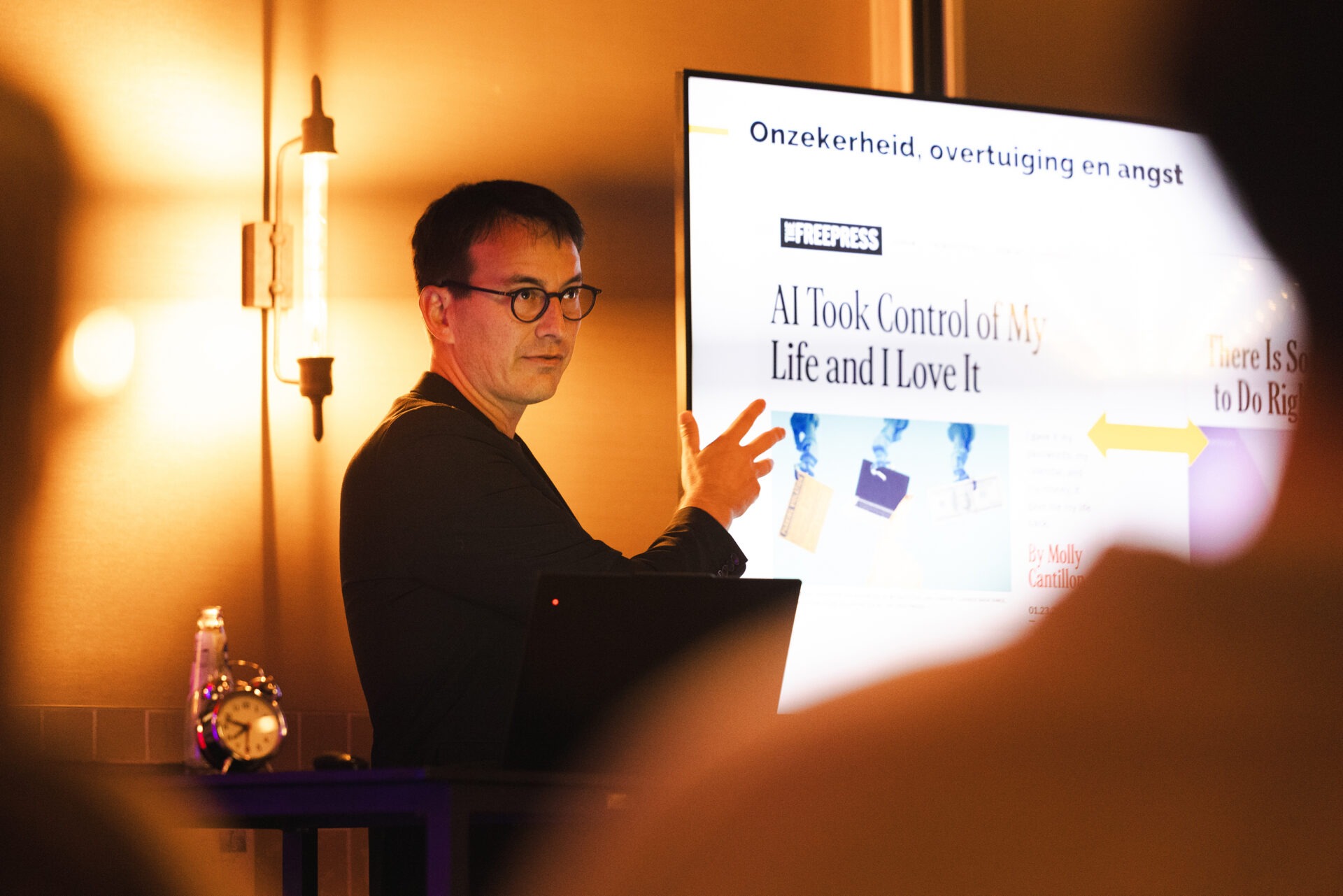
The statistics that Eeman presented to the participants were also striking. Few people consciously seek out news from a chatbot. Yet journalistic work can be found everywhere. It actually fuels the answers to all sorts of other questions that people ask AI. Journalism thus becomes an invisible editor. One participant pointed out the paradox in this. AI is currently fueled by journalistic work, but if agents take over everything, that source will dry up. And at the same time, the number of young people using AI as a news source is growing.
Eeman concluded his presentation with a warning: “In a world where an agent can consult and summarize all sources, no single source has any bargaining power on its own.”
At the end of the evening, one participant said aloud what everyone was probably thinking: “Even the most well-informed person in the room doesn’t know where we’re headed.”
Photos: Anne van Zantwijk
News and articles