Ipsos I&O Survey: Citizens perceive the information society as an “information jungle”
The biggest challenge for many media users is not a lack of information, but rather dealing with an abundance of information. This is evident from a qualitative exploratory study conducted by Ipsos I&O. Commissioned by SDM and the Argumentenfabriek, the research firm surveyed Dutch citizens about their media use. Four in-person focus groups revealed a clear picture: the current information society is perceived as an “information jungle.”
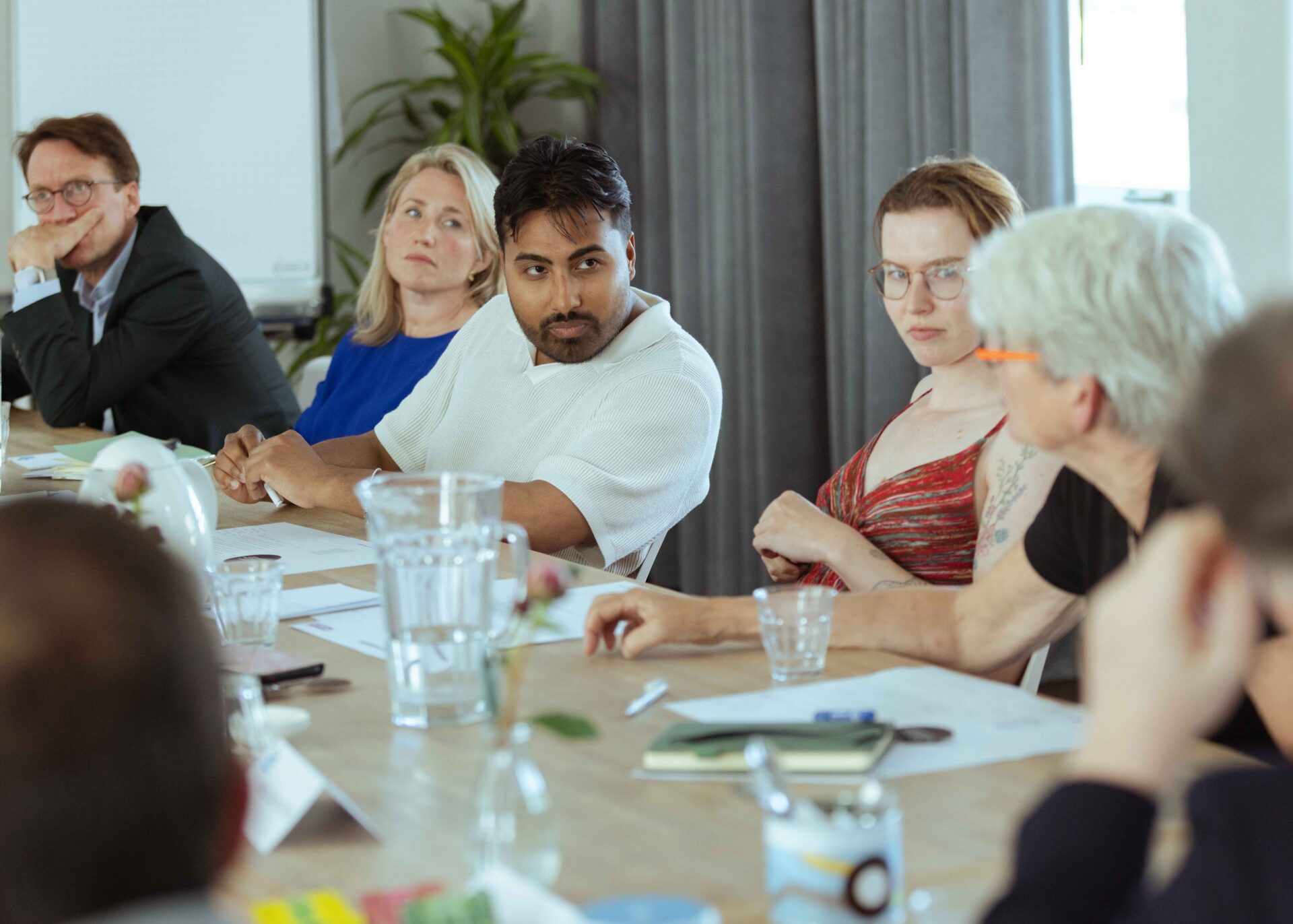
We asked Ipsos I&O to investigate how Dutch citizens experience the information society. Ipsos I&O conducted this study through interviews with four in-person focus groups in Amsterdam and Enschede, with a total of 27 participants. In both cities, the participants included citizens who have relatively high levels of trust in social institutions, such as the government and the media, as well as citizens who have relatively low levels of trust in these institutions. The participants varied in age, educational level, neighborhood, gender, and background.
Information Jungle
It is striking that both groups face largely the same challenges in their media use. Information is now more readily available than ever before, often accessible for free and sourced from all over the world. The downside of this abundance is that many people struggle to keep track of it all. Both groups perceive the proliferation of platforms, sources, messages, and opinions as an information jungle.
However, the two groups differ in the way they deal with these challenges. People who have a high level of trust in social institutions turn to a broader mix of new sources for information. Citizens with less trust, on the other hand, rely on their immediate surroundings, or they turn away from the news to some extent.
“If there’s something I really need to know, I go to my brother. It gives me more confidence in the choices I make.”
– Participant with low self-confidence
Algorithms
The algorithms used by social media platforms were discussed in all groups. Participants recognize the benefits of recommendations that align with their personal interests and preferences. At the same time, many citizens feel that this leaves them with less control over what they see. They speak of “information silos” in which the same types of information are constantly presented. For participants, this issue raises a fundamental question: Do citizens still determine their own information environment, or is it increasingly curated for them?
“The downside is that if you end up in a trap, then the other side of the coin disappears as well.”
– A very confident participant
A total of eight recurring issues emerged during the interviews. You can read about them in the report.
The Great Media Debate
This study was commissioned by the Democracy and Media Foundation, De Argumentenfabriek, and NU.nl. Together, we have launched a nationwide conversation about the future of our media: The Great Media Debate. After all, who decides what news you see? Who checks to make sure it’s accurate? And what happens when you and your neighbor are talking about the same topic, but it still seems like you’re talking about two different worlds? These aren’t questions just for media experts—they’re for everyone. They’re about the future of our democracy.
In addition to the Ipsos I&O study, we spoke with experts about the most important issues facing our media landscape. Together with the issues identified in this study, we have selected seven core themes. On NUjij , we present these themes weekly to NU.nl readers to spark discussion. Starting this fall, we’ll also be holding offline discussions at meetups throughout the country.
Want to stay informed? Sign up for our newsletter below. In it, you’ll receive the propositions we’ll be presenting on NUjij over the course of seven weeks, we’ll announce the meetups, and we’ll keep you updated on developments regarding The Great Media Debate.
News and articles