The Great Media Debate
How do we maintain control over our news?
What’s the first thing you do when you wake up in the morning? You grab your phone and scroll through the latest news. But who decides what you see? Why exactly that? And what gets left out?
You might not ask yourself those questions every day. But they do matter.
What?
The Great Media Debate is a study, a conversation, and a campaign all in one. It’s about how we experience the news in the Netherlands, what we’re missing, what concerns us, and what could be improved. The Great Media Debate is an initiative of the Democracy and Media Foundation and De Argumentenfabriek, in collaboration with NU.nl.
Why?
News is everywhere, all the time. But who decides what you see? Who checks if it’s accurate? And what if it all becomes too much to take in? And what happens when you and your neighbor talk about the same topic, yet it seems like you’re talking about two different worlds?
These aren’t just questions for media experts. They are about how we live together, which information we pay attention to, and the future of our democracy. That is why we are having this conversation with experts, media makers, and you.
The Netherlands still has many news outlets: from *De Volkskrant* to *De Telegraaf* and from *NU.nl* to *De Correspondent*. But the revenue models for independent journalism are crumbling. Major tech platforms, such as Instagram and TikTok, are increasingly determining what we see. For young people, social media is the primary source of news. And the advent of AI—our personal news reader—will also change how news reaches us.
The Great Media Debate revolves around major, important questions: What information do we need to function well in our democratic society? Which news media belong in that picture? And how do we maintain control over our news?
This is what we want to debate. The Great Media Debate. Not just with experts, but with the whole of the Netherlands. And therefore, with you too.
How?
The Great Media Debate has three phases.
- First, we will map out what the biggest issues are.
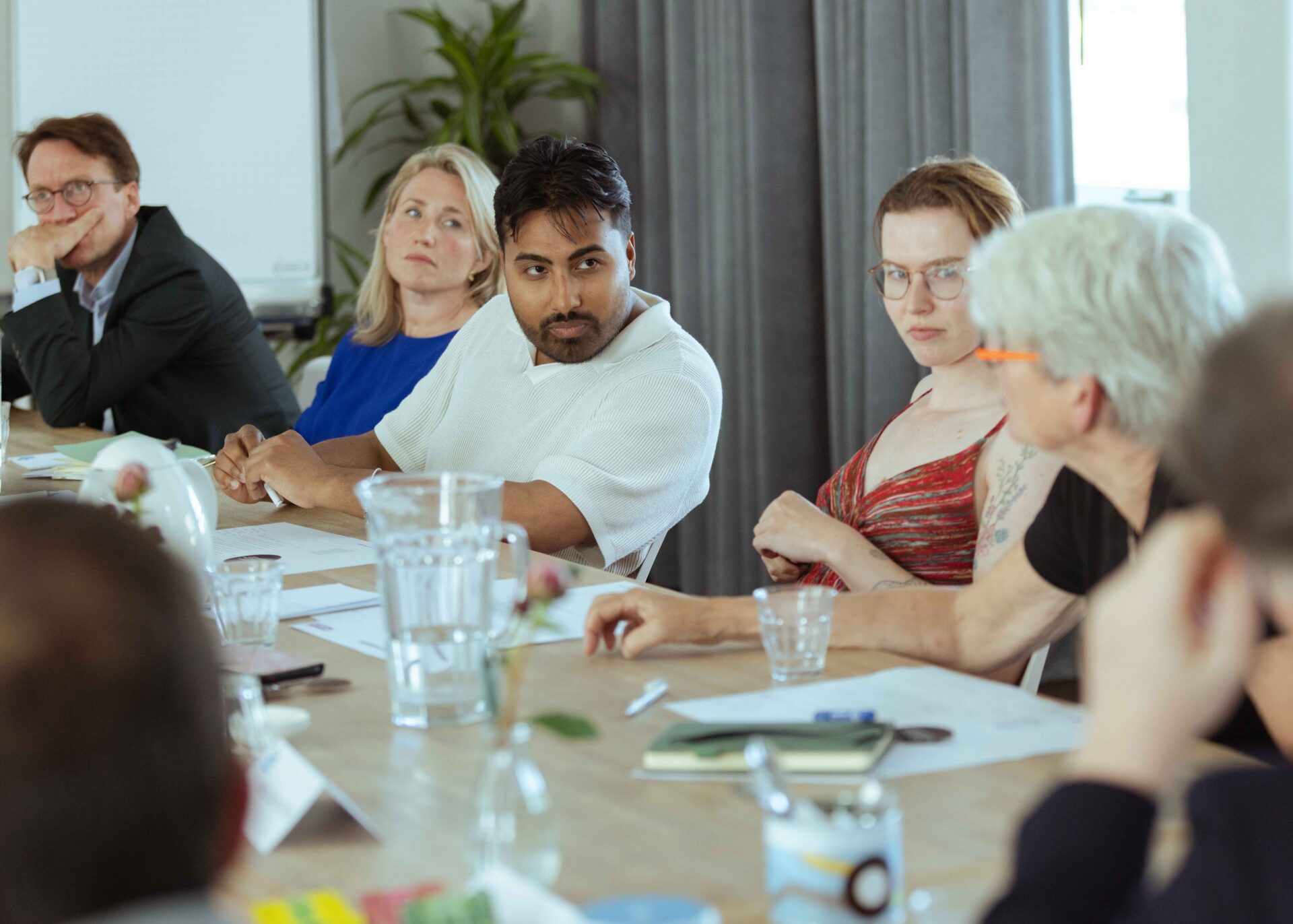
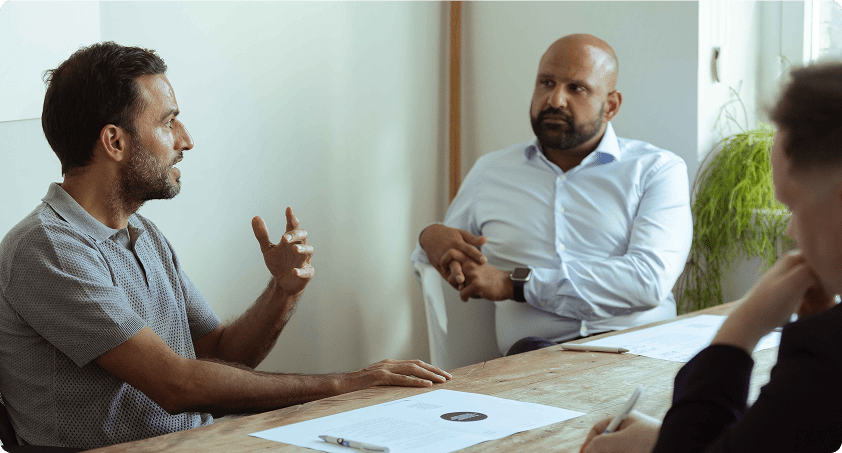
We are doing this with a panel of twelve experts—from influencers to professors. You can read who they are below. We are also consulting a citizens’ panel of one hundred randomly selected people. What do they consider the biggest problems? Where do they see opportunities?
We’re sharing these insights with the readers of NU.nl. If you aren’t (yet) a regular NU.nl reader but are concerned about the future of our media landscape , join The Great Media Debate. Everyone can comment, set priorities, and offer new perspectives.
- Then we will look at concrete potential solutions.
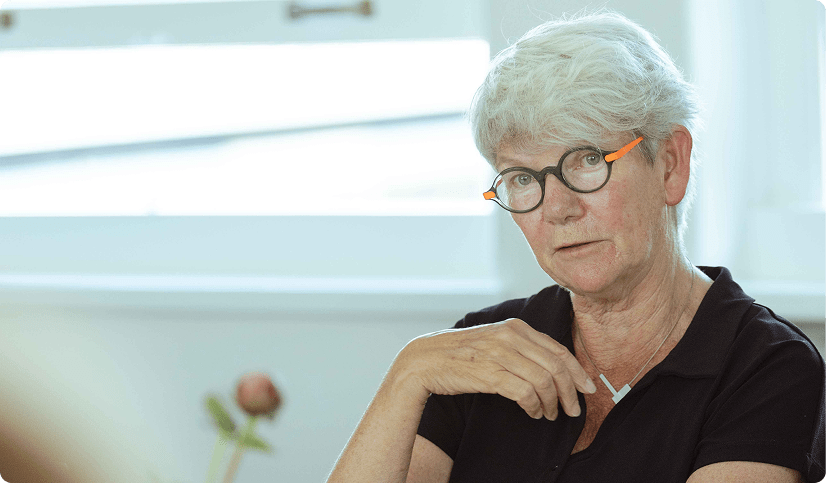
Everything we gather goes to experts with a clear vision of the future, who will develop concrete proposals. Those proposals then return to the citizens’ panel and NU.nl readers, to be debated, tested and improved.
We are also heading out into the country. We will organise physical Media Meetups in various locations: evenings where we can discuss these questions together. And you can be there.
- Final destination: a Media Agenda
What we’ll ultimately produce: an agenda outlining the most important issues and the most promising solutions for the future of our democracy, our news media, and our news. It will be accessible to everyone and useful to anyone who wants to, can, or needs to act on it.
Experts
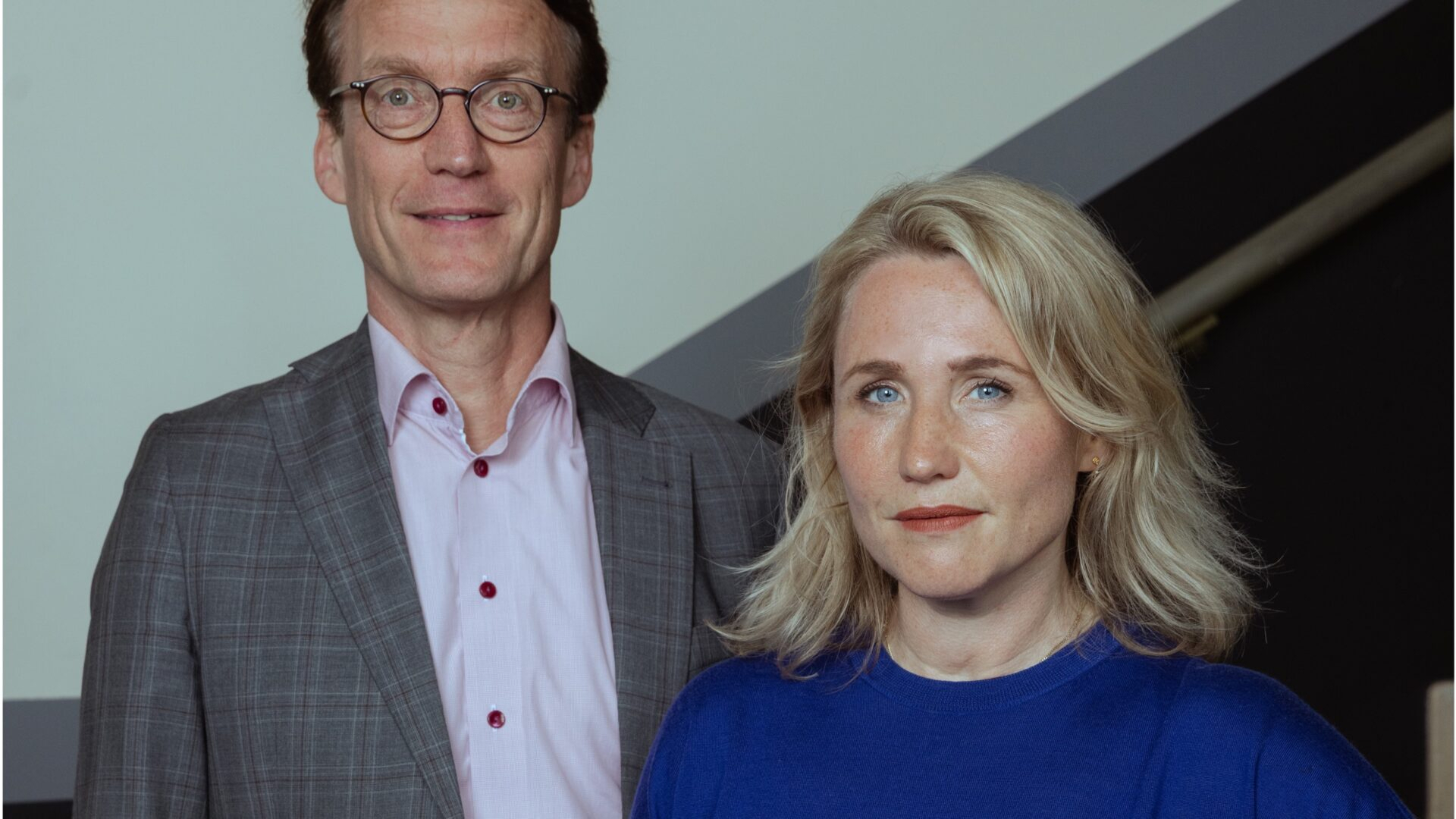
The following experts are contributing to The Great Media Debate:
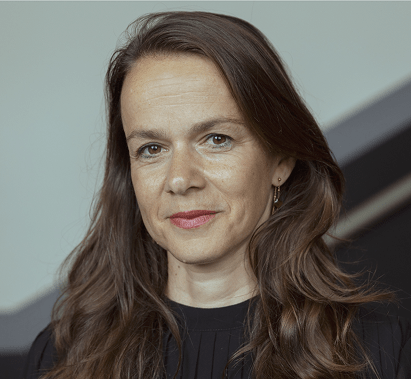
Yael de Haan
Lecturer, Utrecht University of Applied Sciences; Distinguished Professor, University of Groningen
LinkedIn
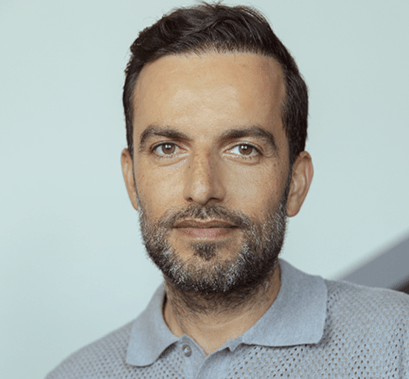
Jaron Harambam
Assistant Professor, University of Amsterdam
LinkedIn
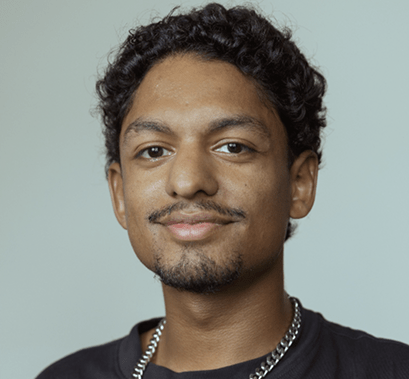
Juan Soto Visser
Maker, De Marker (BNNVARA)
LinkedIn
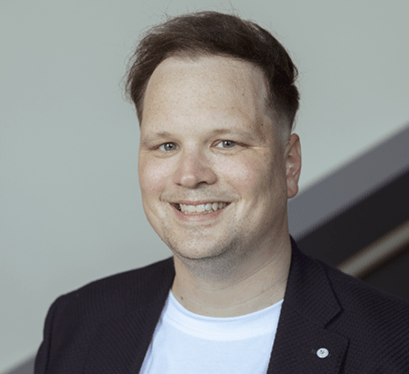
Vincent Smit
Editor-in-Chief, 1Almere
LinkedIn
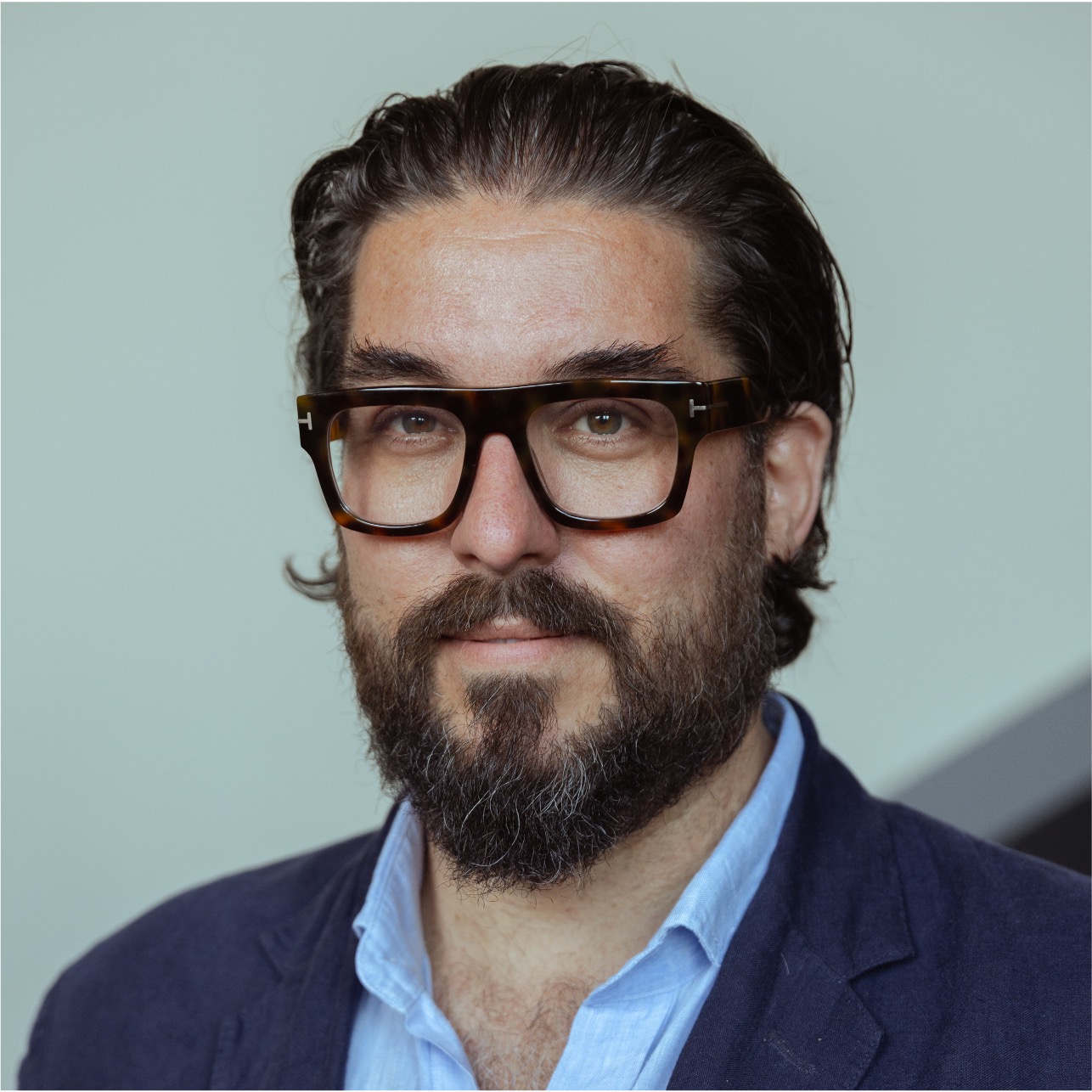
Ahmet Polat
Editor-in-Chief, Omroep HUMAN
LinkedIn
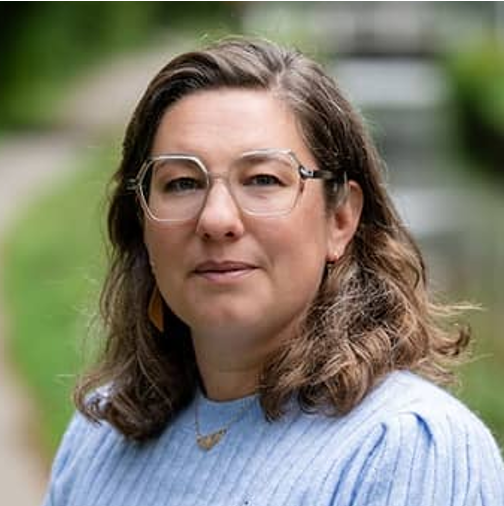
Josje den Ridder
Senior Researcher, Netherlands Institute for Social Research
LinkedIn
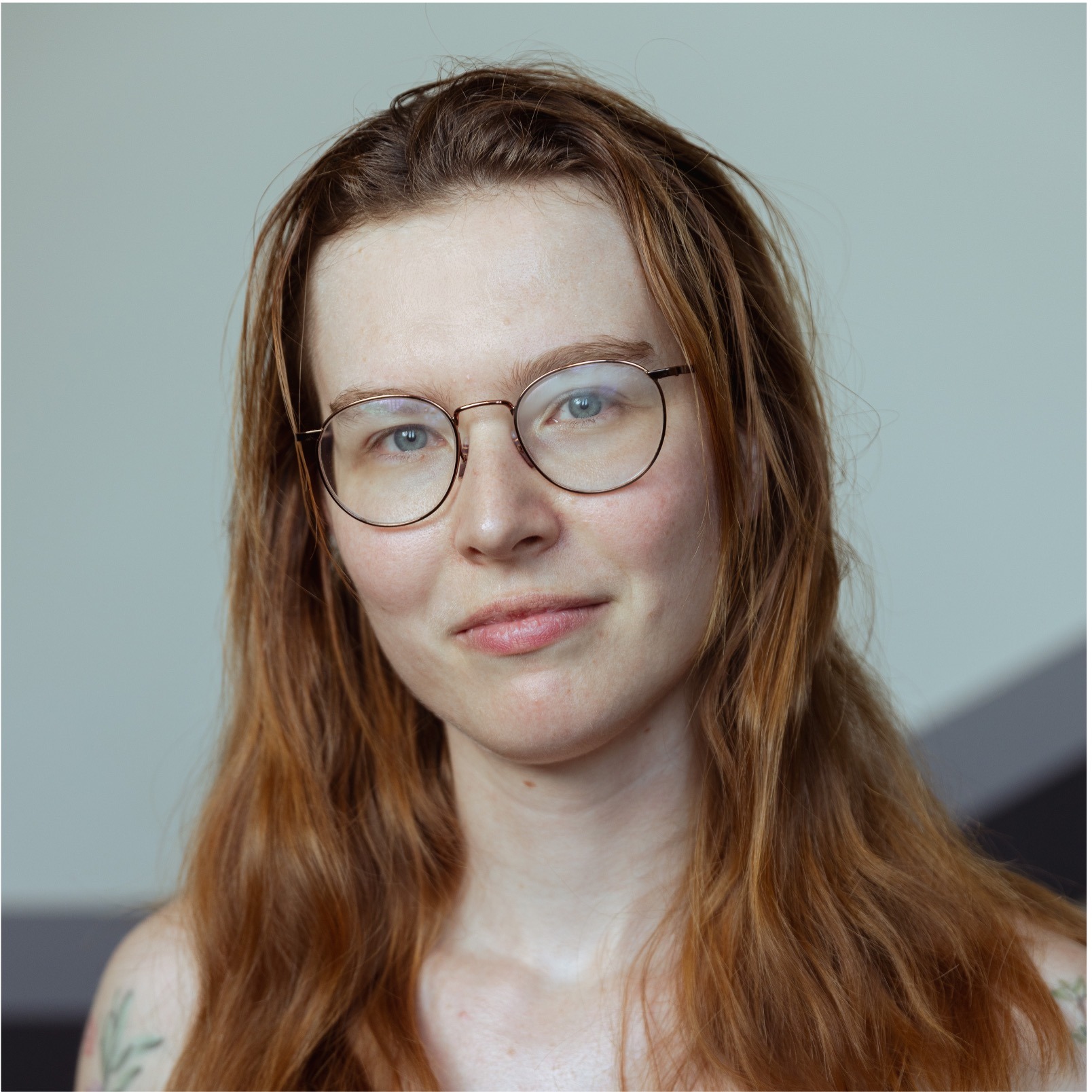
Fabiënne Meijer
Head of Journalism Products, OCCRP
LinkedIn
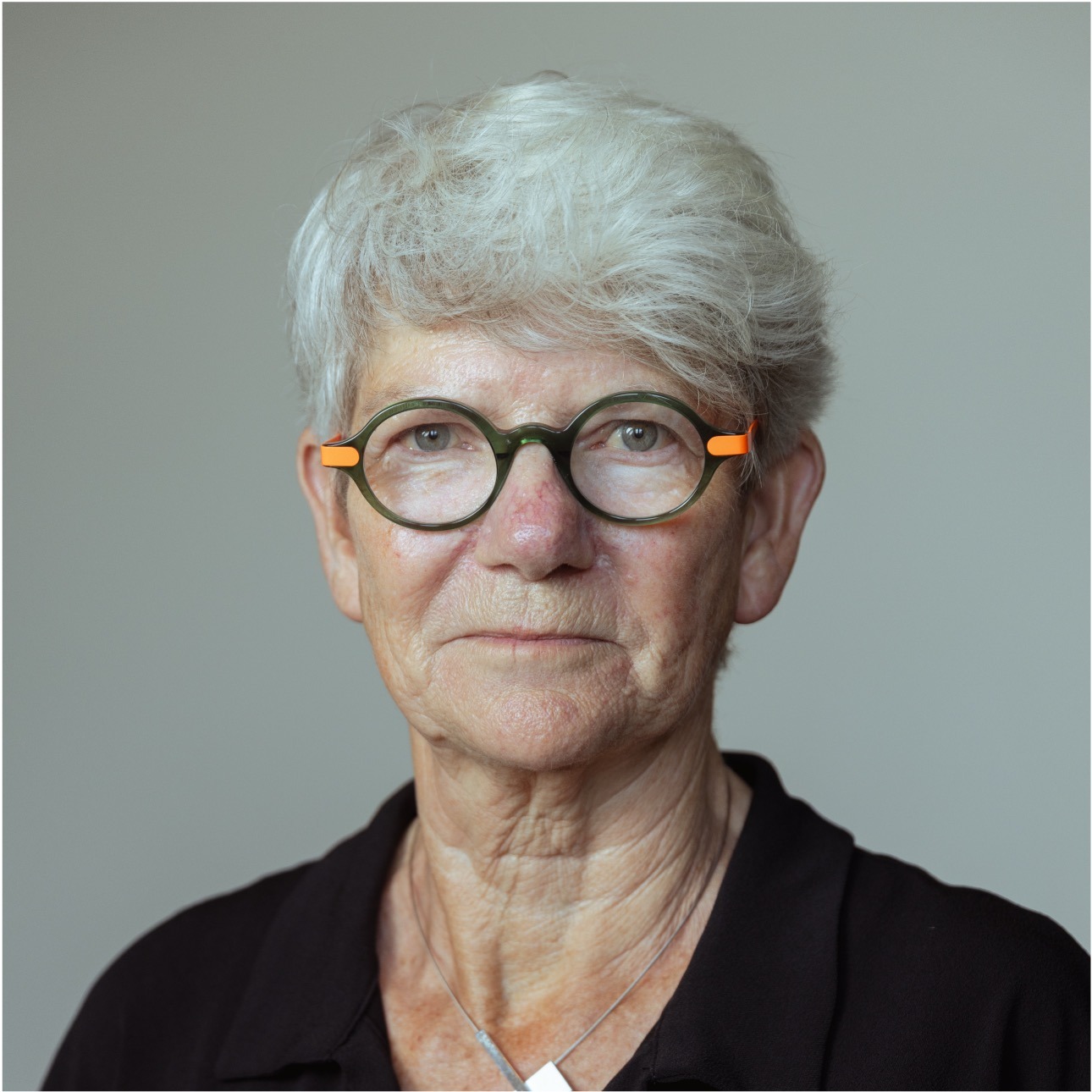
Irene Costera Meijer
Professor Emeritus of Journalism, Vrije Universiteit Amsterdam; Chair of the NU.nl Foundation
LinkedIn
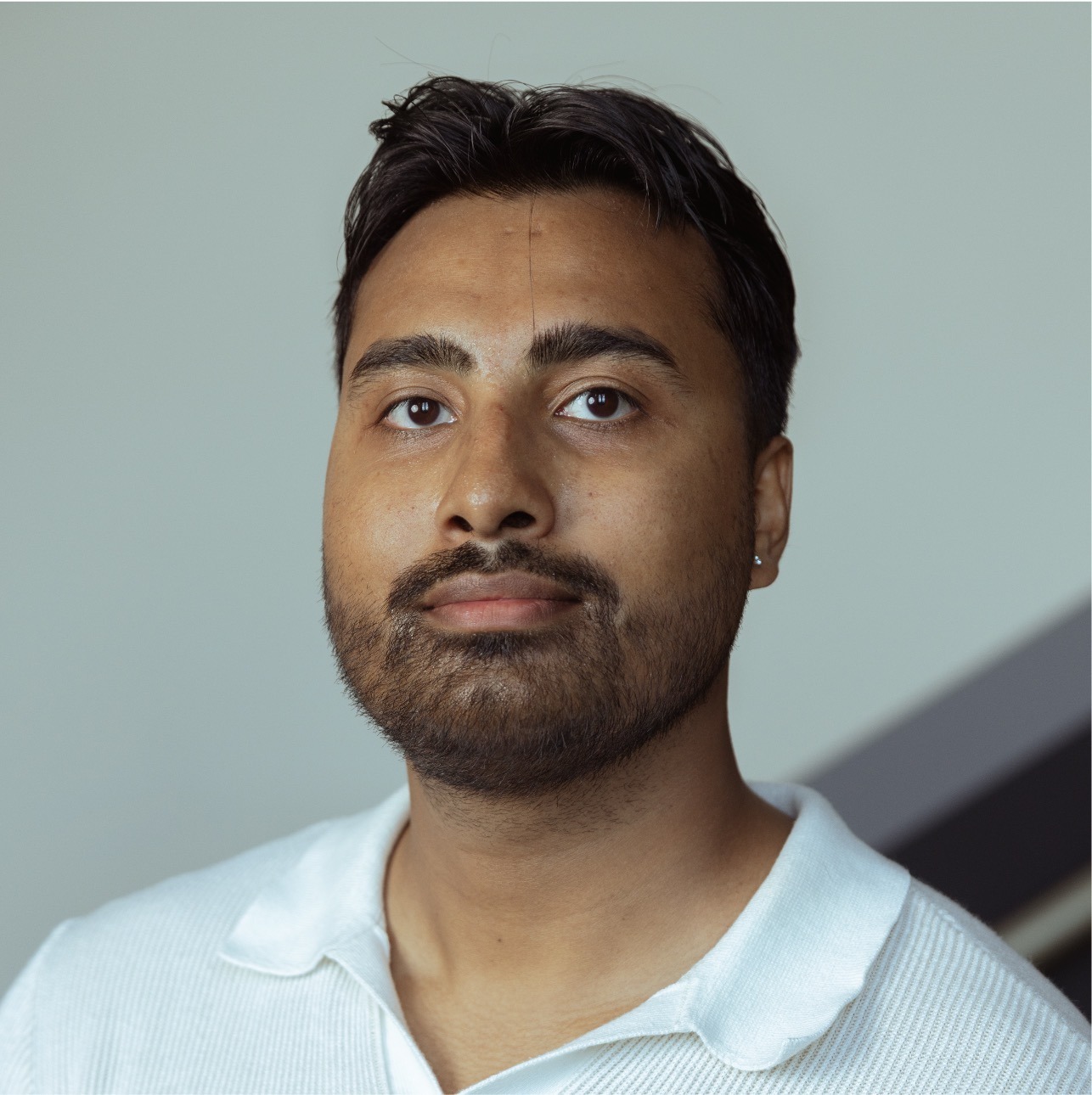
Nugah Shrestha
Founder, Political Youth Instagram channel
LinkedIn
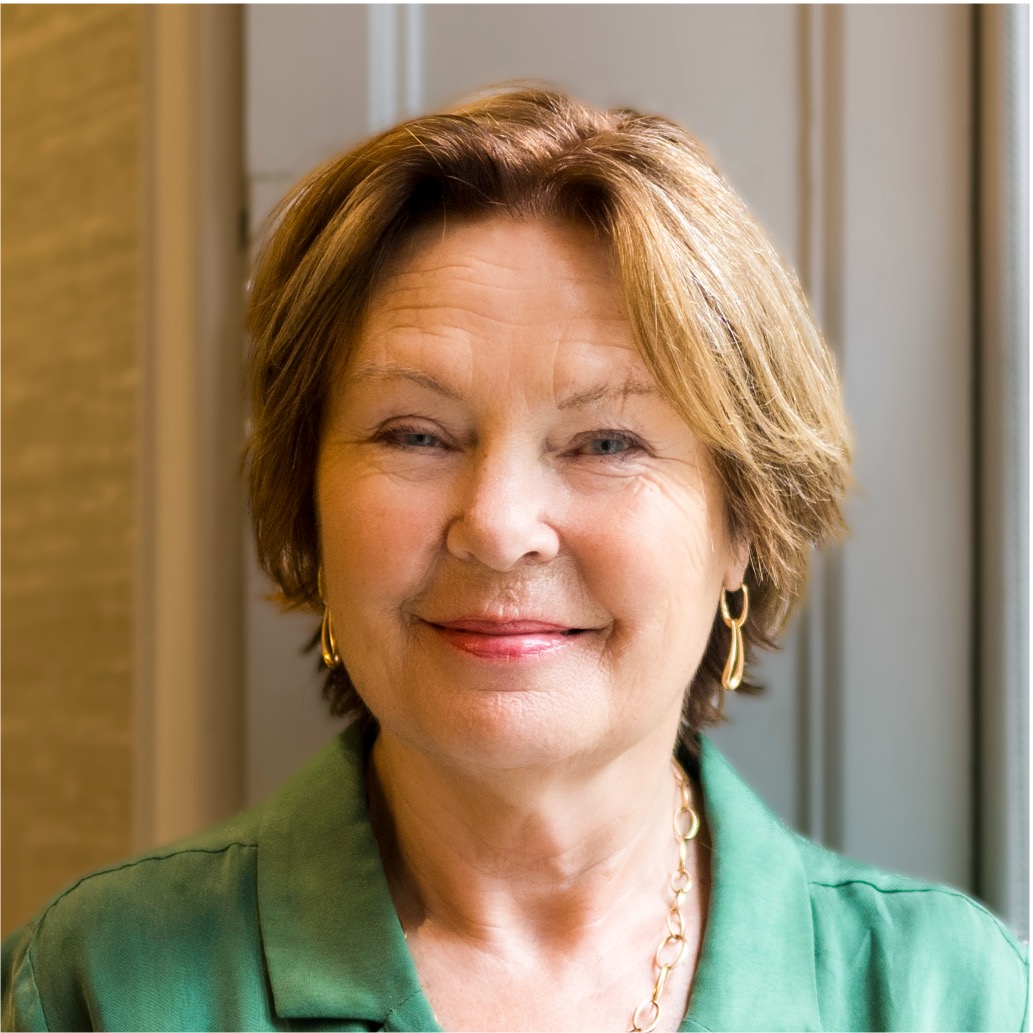
Yvonne Zonderop
Chair of the Supervisory Board, SDM; Vice Chair of the Supervisory Board, Clingendael Institute
LinkedIn
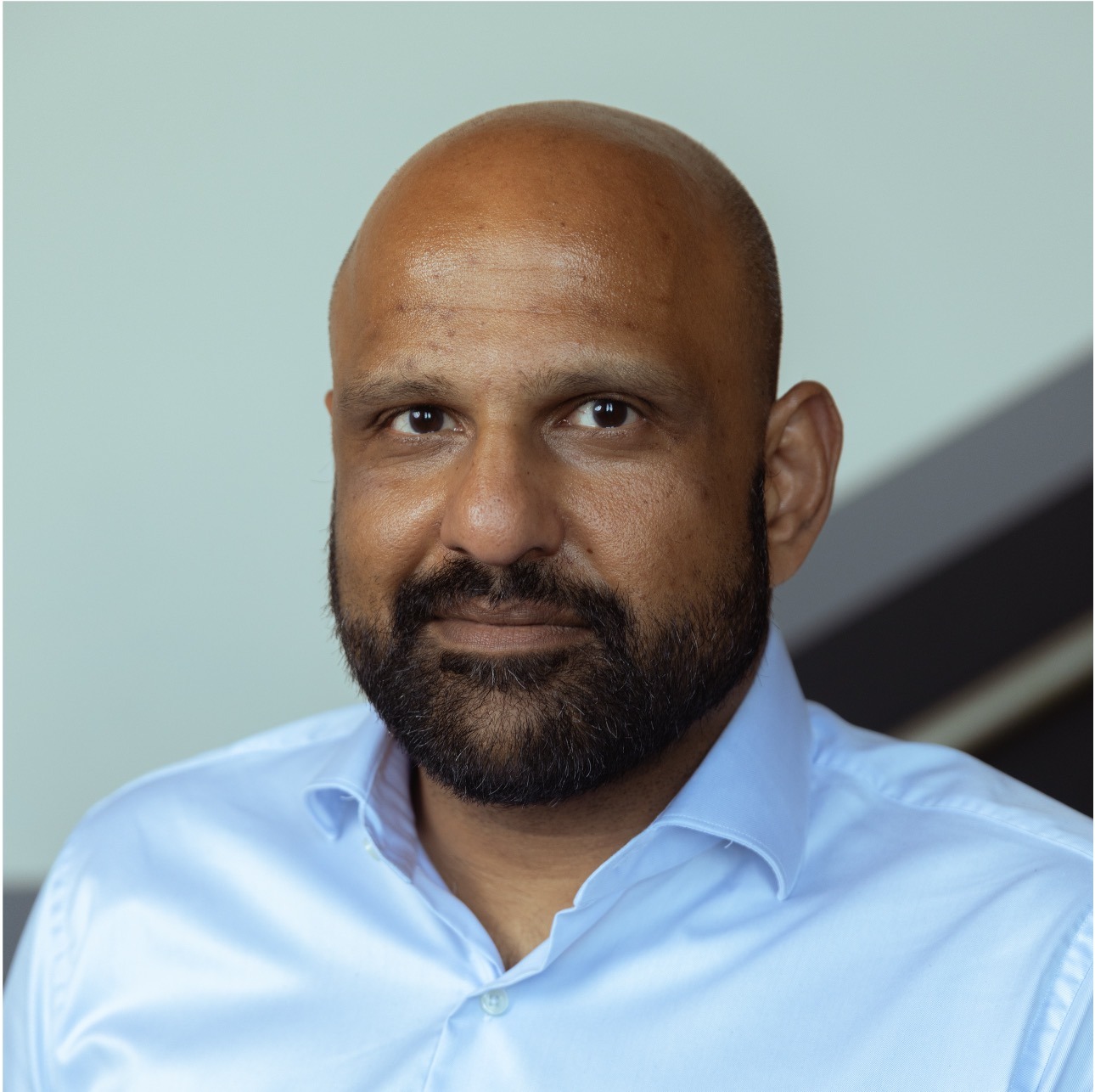
Haroon Sheikh
Senior Researcher, WRR; Distinguished Professor, Vrije Universiteit Amsterdam
LinkedIn
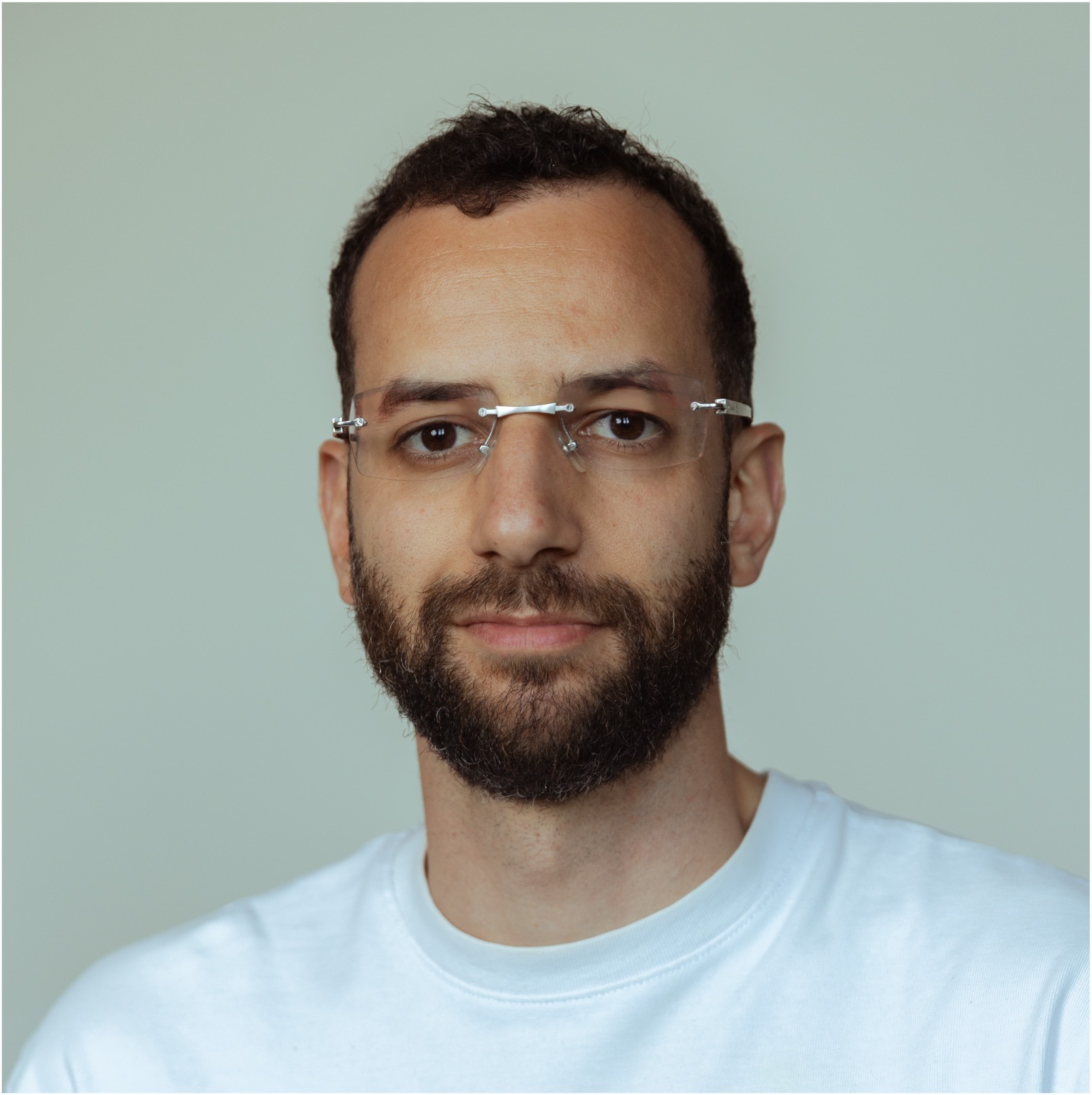
Younes Douari
Entrepreneur and Co-Founder, Represent Yourself
LinkedIn
What we don’t do
We do not present ready-made conclusions. We do not represent a sector. And we do not promise perfect solutions. Because they do not exist.
What we do: listen, connect, and report the outcomes honestly. Including the areas of tension and uncertainties. Because one thing we do know: they exist.
Want to stay informed?
Sign up for our newsletter and join the NuJIJ panel at NU.nl. On this page and on LinkedIn, we’ll keep you updated on our progress. We’ll write about insights from our meetings, share interviews with experts, explain how we reached certain conclusions, announce our media meetups, and we’d love to hear your insights, too.