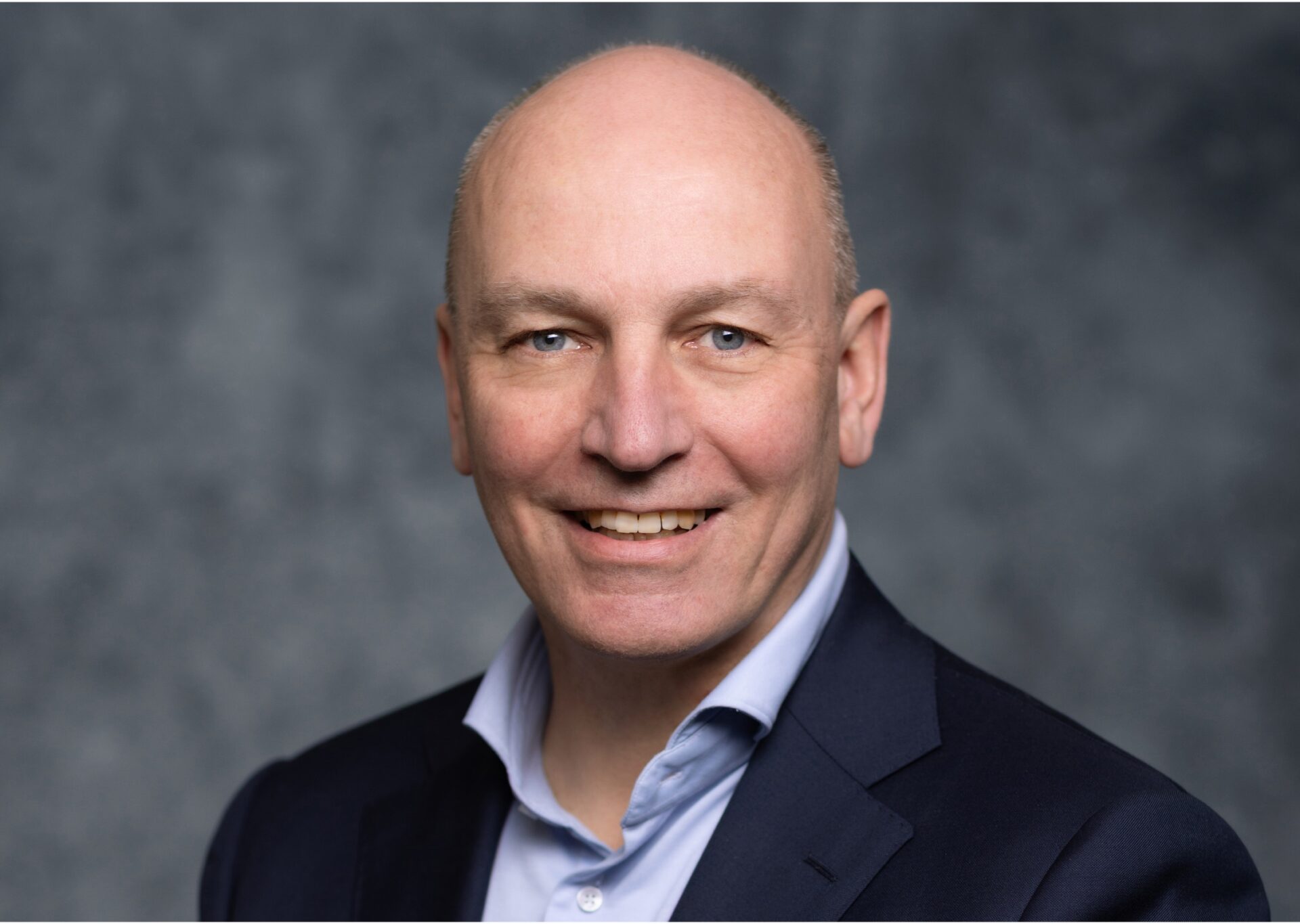
Meet Kim Schuiten, our new project officer
Kim Schuiten recently joined the Democracy and Media Foundation as a project officer. She studied political science at the University of Amsterdam and previously worked for organizations including Amnesty International. ‘Many people already struggle to pay for their groceries, let alone take out a newspaper subscription.’
What attracts you to the field in which the Democracy and Media Foundation operates?
‘I have always been politically and socially engaged. In recent years, I have seen how vulnerable our media landscape actually is. SDM’s field of work appeals to me because it sits at the intersection of media, democracy, and technology. That is exactly where I believe a difference can be made and where I can deepen my knowledge.’
How did that engagement manifest itself in the past?
‘I have been very interested in issues of inequality, even during my time as a student. Which people and which countries amass money and power? And at whose expense and at what cost does that happen? After my studies, I started working in the cultural sector, where those questions play out on a smaller scale: who has the power to decide what hangs in a museum? During my time at Amnesty International, I dealt with various social themes, but always from the perspective of striving for equality.’
Do these issues of inequality also persist within SDM’s field of expertise?
‘Absolutely! For example, I have attended quite a few public programs on direct democracy [a form of government in which citizens have a direct influence on legislation and policy, SDM]. It was always the same people who attended; mostly white, highly educated people who already know their way around our complex democratic system. As far as I am concerned, that is exactly how a democracy should not work. How do we ensure that all people can and want to remain involved? This is highly relevant, especially now that trust in democracy is declining.’
‘Equality is also about equal access to reliable information; knowledge is power. If not everyone can obtain the same information, an imbalance arises in the power dynamics between citizens with and citizens without knowledge. I worry that people who are less well-informed may also be more easily manipulated and more susceptible to populism and the whims of the moment.’
What is the role of journalism in this?
‘Many people nowadays scroll through Instagram and TikTok instead of news websites. When I had just graduated, I canceled my newspaper subscription because it simply became too expensive for me. I completely understand when many people say: “I struggle to pay for my groceries at the end of the month. I’ll just read the news online.”’
‘However, on social media, we are constantly bombarded by information that plays on our emotions but isn’t necessarily true. That is why it is good that a platform like NOS Stories informs so many young people. There should be more solid journalism appearing in our feeds.’
You have started at SDM as a project officer. What does that entail?
‘Although I hate the term “spider in the web,” that is essentially my role. I am involved in all the projects we do and help out wherever possible. I know a little bit about many things, but I don’t have the deep expertise on a specific subject that some colleagues here have. It is my job to think along with them and ensure the project succeeds.’
SDM is quite a bit smaller than your previous employer; what is that like?
‘Small non-profit organizations are not always professionally organized, which means they may have good ideas but lack the effectiveness to truly create impact. Large organizations like Amnesty sometimes lack the speed to react quickly to current events. When I arrived at SDM, I was surprised by how well everything is arranged here, but also by how dynamically people work together. The team is well-attuned to one another and trusts each other. The organization is open and supportive, but also remains sharp and critical when necessary.’