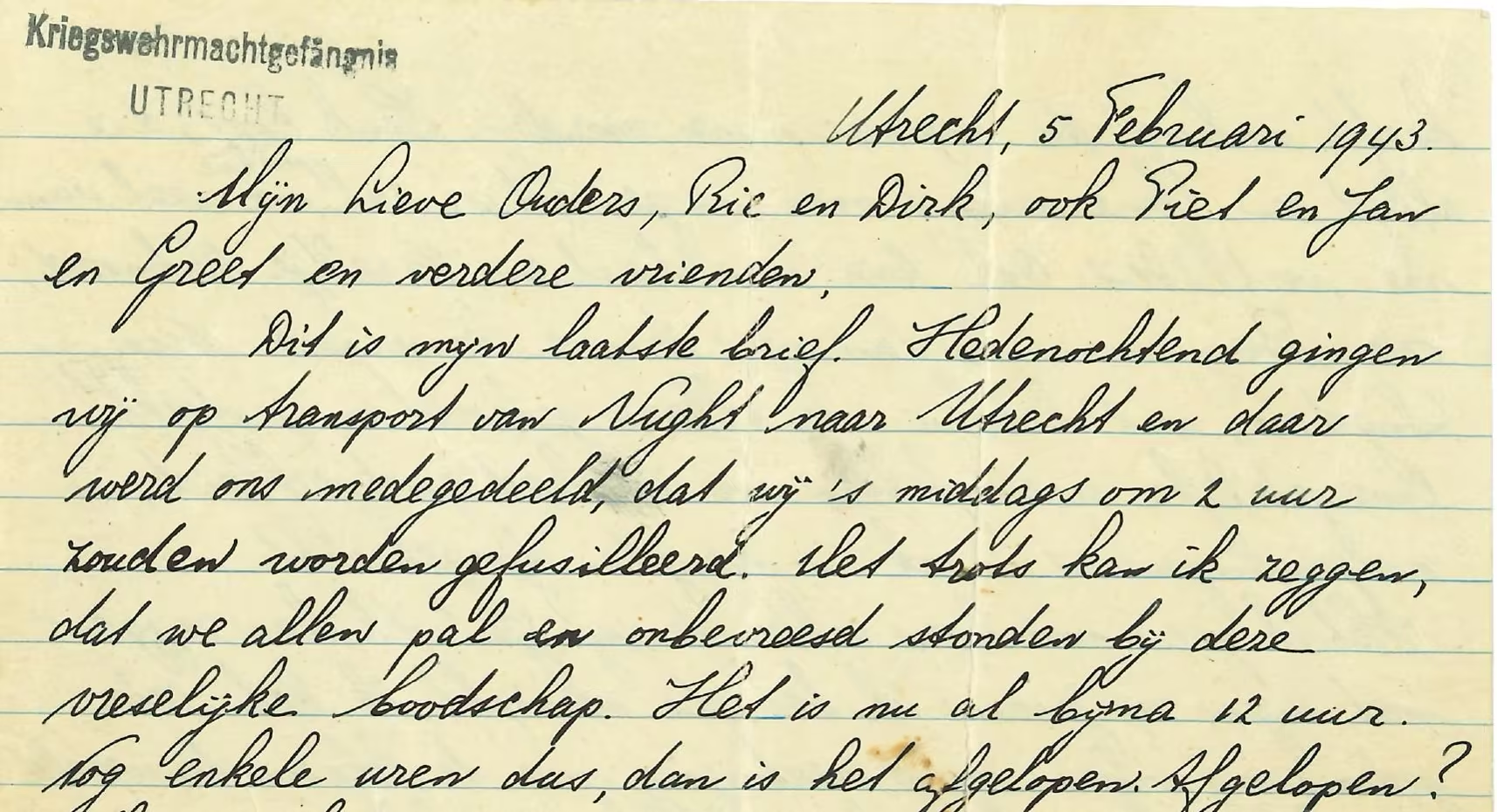
Resistance press used one last time to honor the illegal Het Parool
Thursday, January 18, 2025
A historic printing press from the print shop where the underground newspaper *Het Parool* was printed during World War II has been put back into operation for a short time, thanks to the Democracy and Media Foundation. The occasion is a printed tribute to the more than eighty employees of the resistance newspaper who did not survive the war. “Whether the printing goes perfectly or not, I always say: it’s still a craft.”
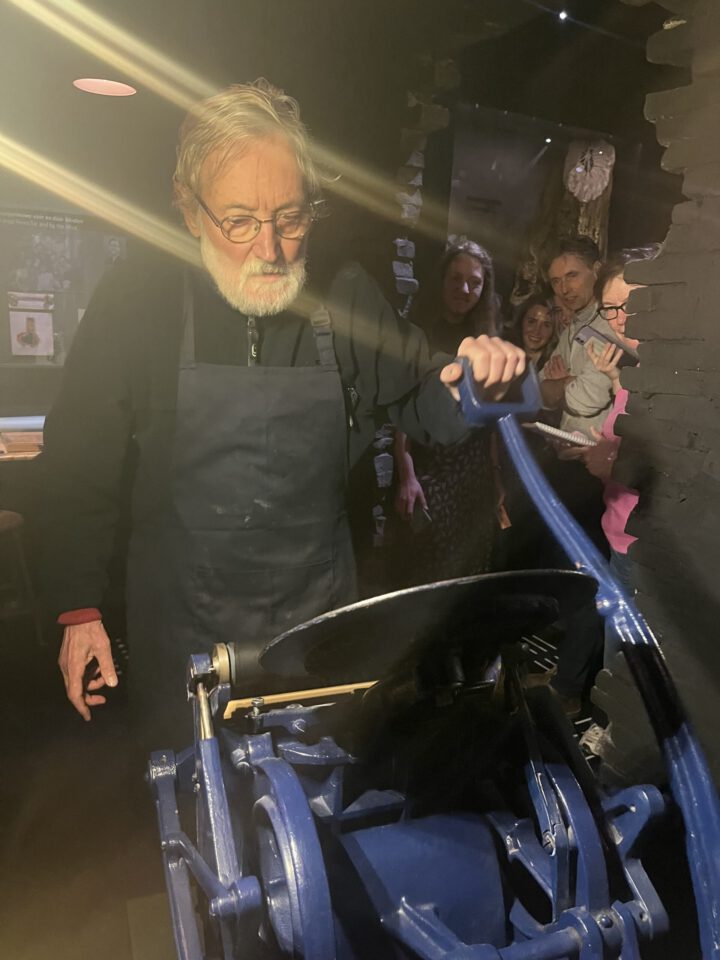
It quickly gets hot in the small room at the Resistance Museum in Amsterdam, where the printing press is now on display. A curious group of visitors, including a journalist and photographer from *Het Parool*, doesn’t want to miss a glimpse of the metal machine that’s taking center stage today: a printing press from the Jesse Printing House, where the underground newspaper *Het Parool* was printed during the war.
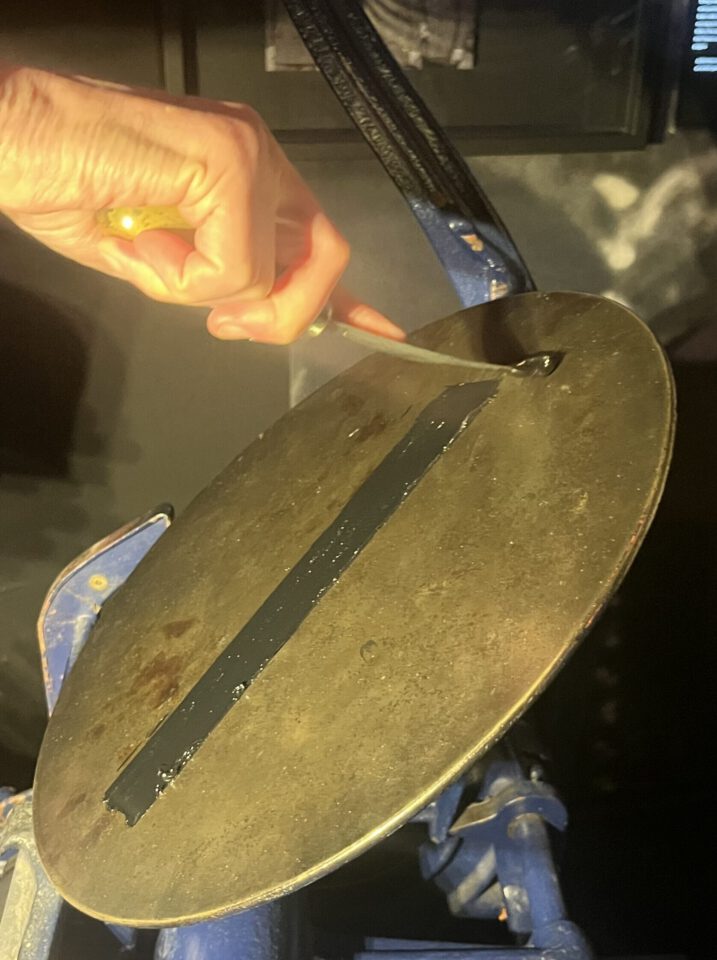
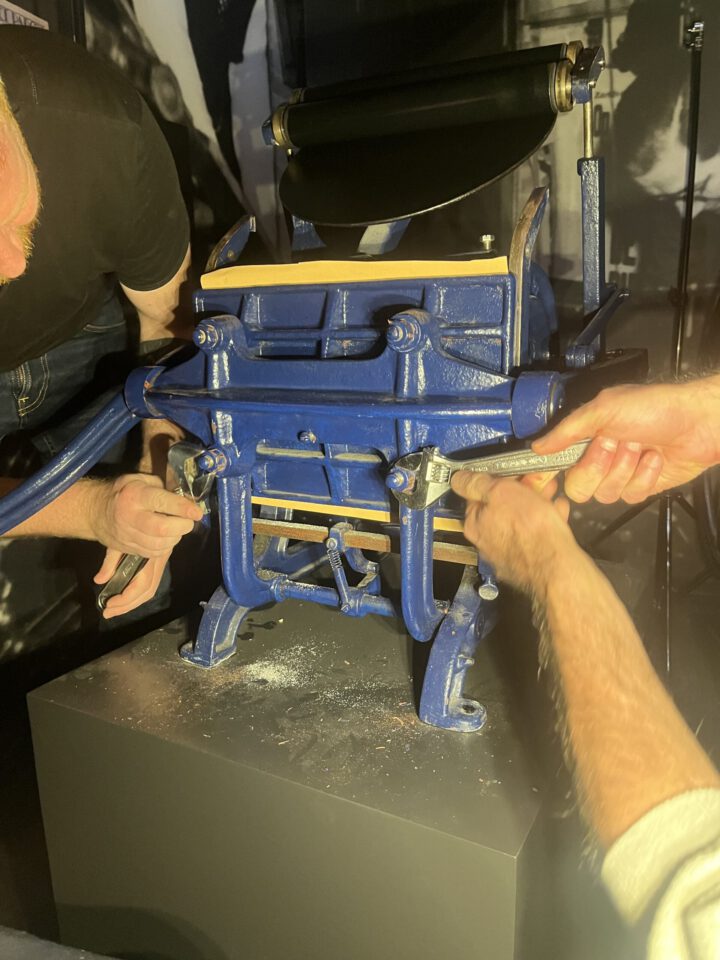
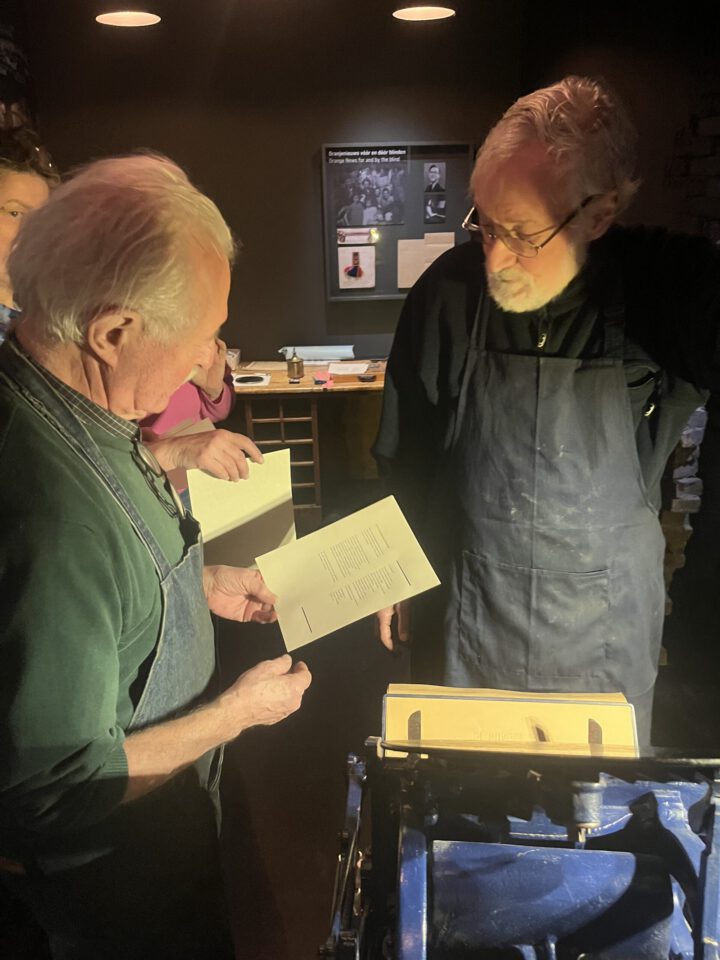
“F.M. Weiler” is printed on the side of the machine. “It must be a German brand,” says René Treumann (82), the printer on duty. “Cars, printing presses, and cannons—that’s what the Germans are good at.” Treumann started printing in the late 1960s, and he’s still working in his “traditional print shop,” he says as he applies a layer of ink to the printing plate.
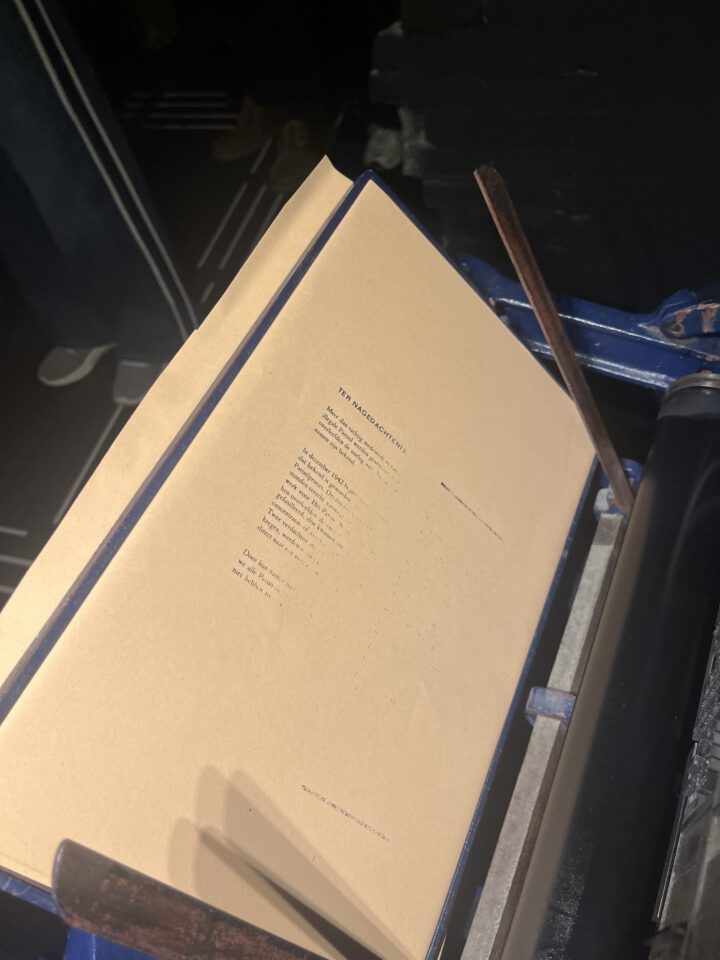
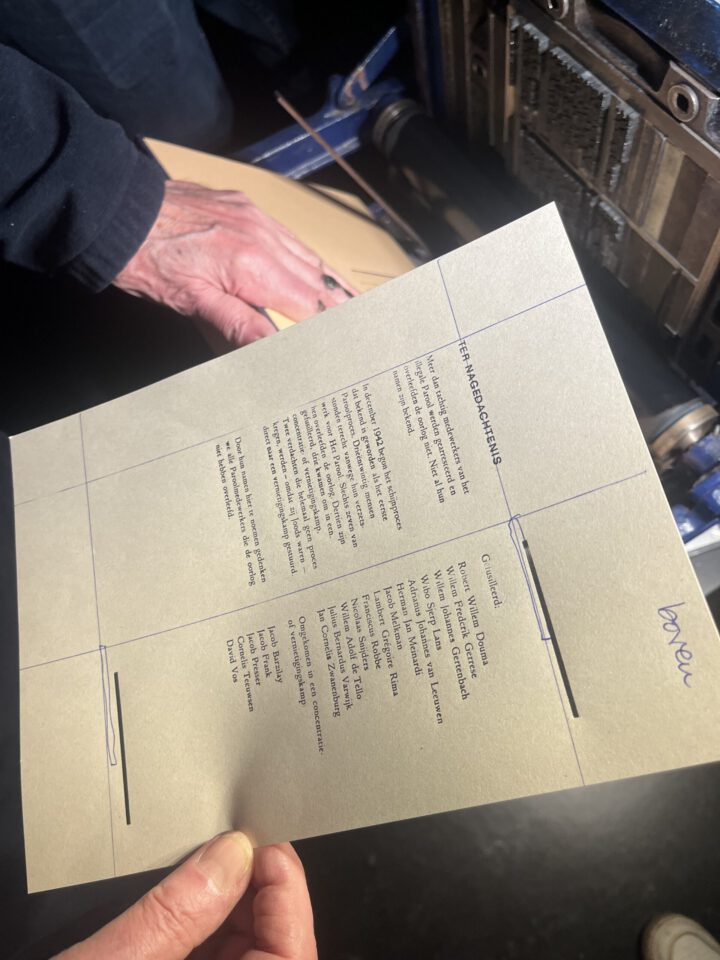
His task today is a special one: to print a page listing the names of thirteen staff members of the underground *Parool* who were executed by firing squad on February 5, 1942. It is intended as a tribute to all *Parool* staff members who did not survive the war. Not all of their names are known.
February 5 Commemoration
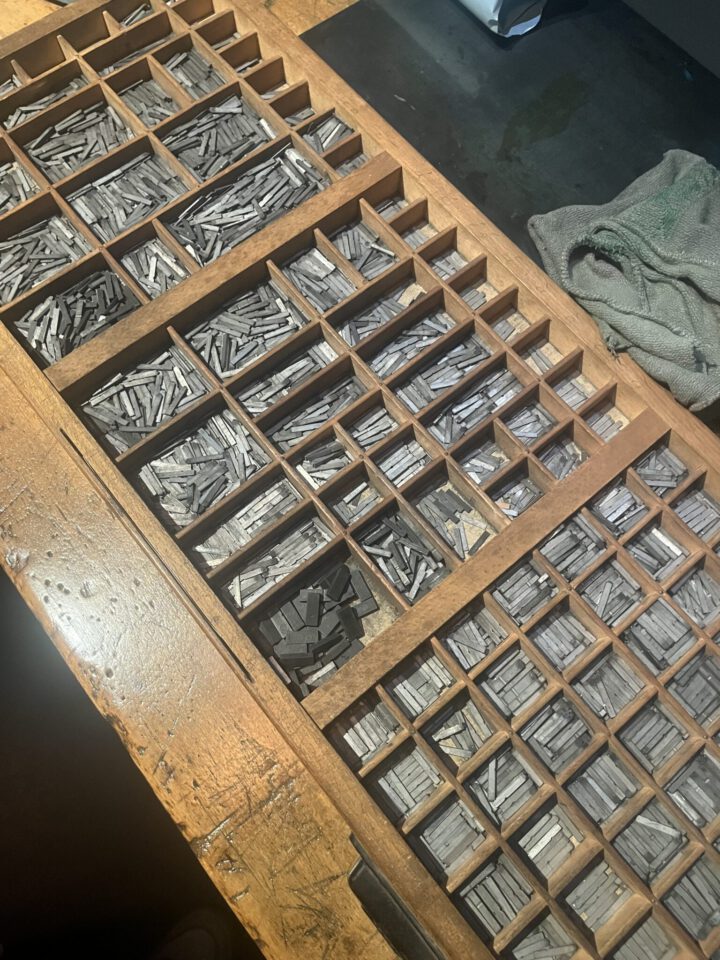
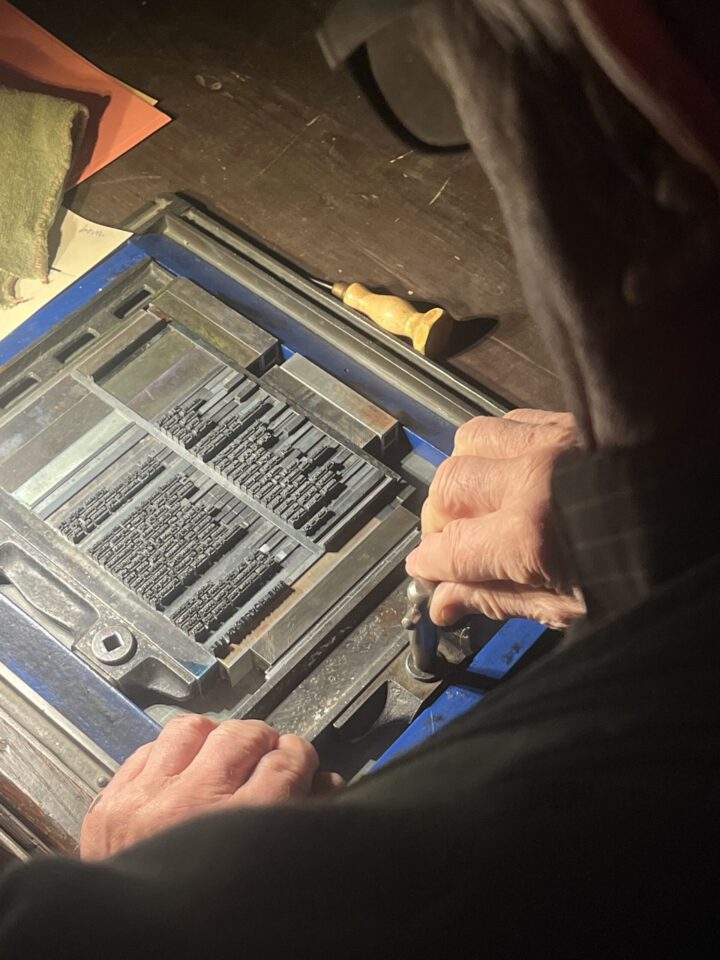
“Are you going to put on an apron? It looks more professional,” Treumann calls out from the back. Back there, a good friend of his, Martin Veltman (81), is tending to the “composition,” a metal frame into which tiny letters are placed one by one by hand, in mirror image. “I can now read the newspaper upside down,” says Veltman.
Veltman started working at Drukkerij Jesse in 1969. He began setting type when he was just sixteen; he had been expelled from school and was looking for a summer job. These days he rarely does it anymore, but he’s happy to make an exception today.
The roll of honor that the men are compiling is part of a booklet that will be distributed on February 5 to the surviving relatives of underground *Parool* staff members. Every year, they gather at the February 5 commemoration to honor the former *Parool* staff members who lost their lives during the war. The Democracy and Media Foundation is indebted to these people and cherishes the memory of the underground Parool, from which it originated. But how do you keep the memory alive of people who can no longer tell their own stories?
Handicrafts
The letters must be securely fastened to the metal frame; otherwise, the typeset won’t survive the trip to the printing press. All the small metal rods will then fall out of the frame, Veltman explains. “Then hours of work end up on the floor—they call that ‘pastei.’”
After securing the typeset, Treumann loads the hand press with cardboard and paper. He then moves the lever downward with a smooth motion. When he raises the lever again, only half of the text has been printed on the paper, much to the craftsman’s displeasure: “This isn’t printing—it’s a mess.”
With the help of the photographer from *Het Parool*, the blue-painted nuts on the printing press are tackled. They turn out to be less rusted in place than expected. It takes a while to figure out how the F. M. Weiler’s mechanism works , but after a lot of tinkering, the press finally produces the correct print.
Treumann and Veltman then quickly print one page after another. The young men’s names roll off the press one by one, 150 times. They are momentarily silent. On the reverse side, an imprint is visible due to the relief of the letters from the typeset. “Cliché,” as Treumann calls it, is actually a no-no, but Veltman does see the charm in it. Eventually, his colleague comes around as well: “Whether the printing goes perfectly or not, I always say: it’s still craftsmanship.”
News and articles