SDM sponsors a cell in the Oranjehotel, where Parool staff were imprisoned during the Second World War
On October 14, 2025, the Democracy and Media Foundation symbolically “adopted” a cell at the Oranjehotel. The Scheveningen prison owes that nickname to World War II, when members of the resistance were imprisoned there by the Germans. Jos Sinnema delved into the stories of two captured employees of the underground newspaper *Het Parool*.
Sinnema, historical researcher and author of *Don’t Bow, Don’t Bend*, delved into the lives of two female distributors of *Het Parool* in The Hague: Willemina Schilderink and Marga Wierdels-Monsma. He shared their story with the relatives of underground *Parool* staff members at the gathering organized by SDM at the Oranjehotel to mark the adoption. An edited version of this speech can be read below.
Text: Jos Sinnema
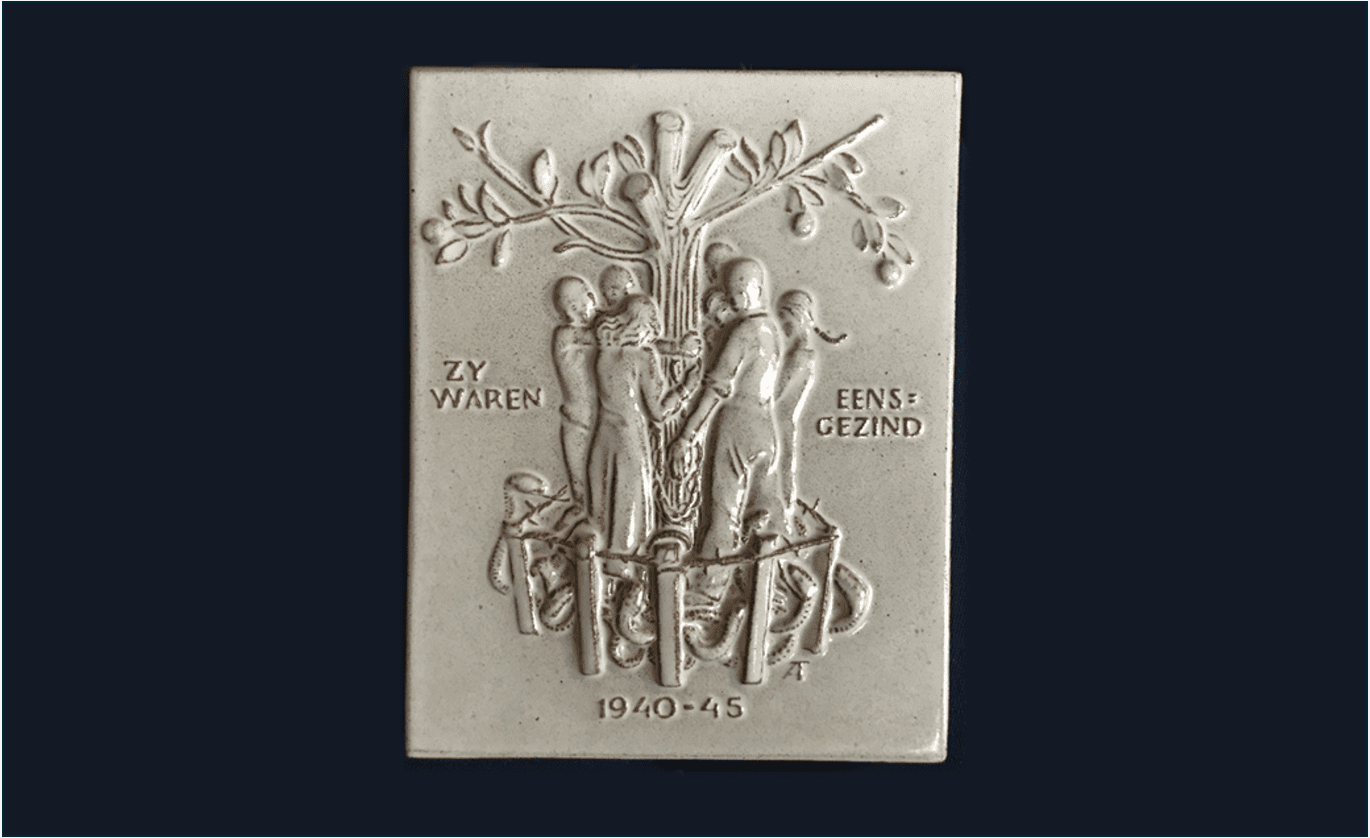
This small tile depicts the plaque on the exterior wall of the Oranjehotel. The artwork was created by sculptor Albert Termote and was unveiled in 1950 by Queen Juliana. The plaque depicts a group of prisoners: members of the resistance of various ages, social backgrounds, worldviews, and genders. They are chained and clinging to an orange tree without a crown—symbolizing the dethroned Royal House. The prisoners stand within a barbed-wire fence, and snakes writhe around their legs. These symbolize the occupying force.
This monument differs from many other war memorials from the 1950s. Those monuments often convey a sense of defiance—or heroism. This plaque does not. For me, at least, this image evokes a very different feeling: a sense of fear and foreboding.
I suspect that it was mainly former prisoners and their families who had the tile hanging on the wall at home. Perhaps that was also true for Marga Wierdels-Monsma and Willemina Schilderink, two “Parool” distributors from The Hague. What is certain is that both spoke and wrote about their imprisonment after the war. Together with the documentation that has been preserved in sources such as the archives of the 1940–1945 Foundation, this provides insight into their state of mind at the time. Fear and oppression are key words. It is precisely the suffocating feeling that Termote’s plaque evokes. As for their postwar lives, the key word is: upheaval. Lasting upheaval. What is their story?
Marga and Willemina both worked as distributors for the Hague Freedom Group, which began distributing a resistance newspaper early in the war: the publication *Vrijheid*, which appeared starting in May 1941. The copy for *Vrijheid* was taken from *Het Parool*. One copy of the latest edition of *Het Parool* was always brought from Amsterdam to The Hague. There, it was retyped and mimeographed at the home of Wibo Lans—the linchpin of the Hague Freedom Group—to be distributed under the name *Vrijheid *. Later, the newspaper was printed by a printing company in The Hague.
Willemina was born in 1902 in Doetinchem, in the Achterhoek region. She was single and worked as a private nurse. Willemina lived at various addresses. She often stayed with families for extended periods to care for someone. Or she worked as a temporary nurse in a hospital. When the Germans invaded the Netherlands, she was working at the Oranjekliniek in The Hague, where she earned her diploma as a maternity nurse.
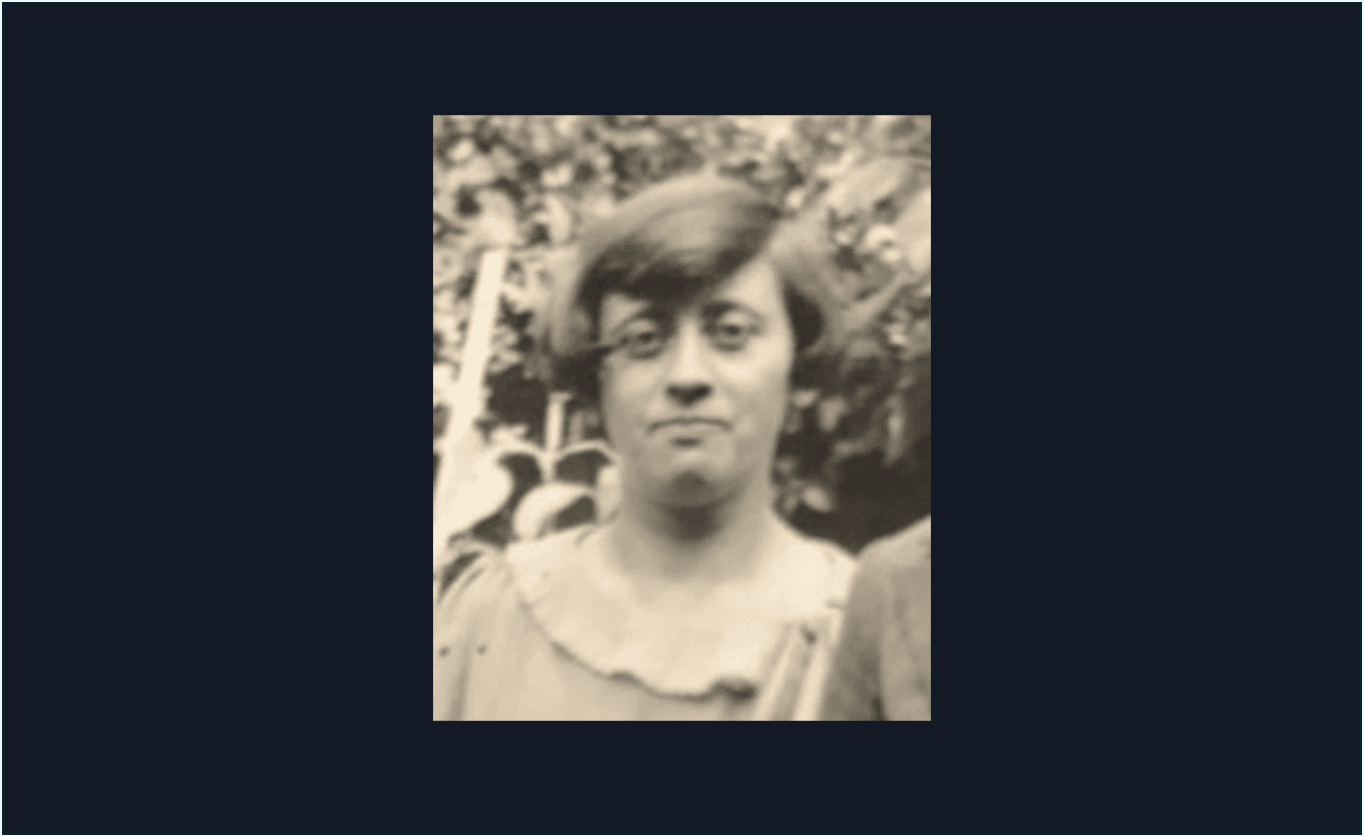
In 1941, Willemina worked as a temporary nurse at the General Hospital in Almelo. At that time, she was already involved with Vrijheid. When her work in Almelo ended, she moved in with Wibo Lans and his family on Irisstraat in The Hague. From that point on, she worked little or not at all as a nurse: her resistance work took up all her time. That work would begin immediately after the printer had delivered a new edition of newspapers to Irisstraat. “Distribution took place from Lans’s place,” Willemina said, “which always kept us busy for a few days. We delivered many to people’s homes, others were sent by mail, and some were picked up. Prinsen in Almelo always received 100 copies from me, and I also sent several to Doetinchem.”
It stands to reason that Willemina herself expanded the readership in Doetinchem by providing reliable addresses, and it is not inconceivable that she made it possible for *Vrijheid* to make the leap to Doetinchem and build a readership there as well. After all, Willemina was from Doetinchem and had many contacts there. According to her, 100 newspapers were sent out to the entire province of Gelderland each time.
Willemina also set out as a courier for the cause of freedom. “Whenever there was something truly special—secret documents, urgent messages that were too dangerous to send by mail—I would always travel to Twente and often to Gelderland to deliver them, and while I was there, I would collect more money to cover the newspaper’s expenses.”
Whenever she was passing through Twente, she would find shelter with the Prinsen family in Almelo. “There was a large resistance organization in Twente.” […] They sheltered many people in hiding, several of whom I spoke with from time to time and for whom I was able to pass on messages to their families. Many English pilots and Dutch people for whom the situation here had become too dangerous were helped to escape by them.”
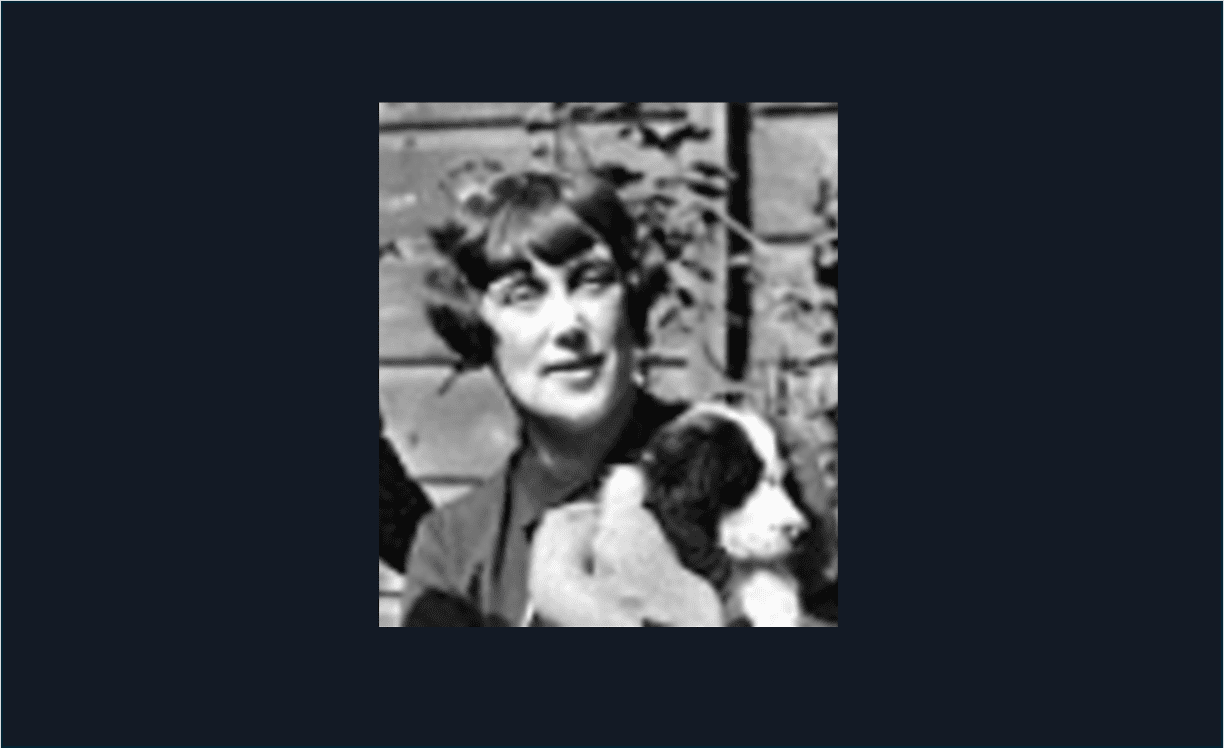
Like Willemina, Marga Wierdels-Monsma was also involved in the distribution of *Vrijheid*. Marga, born in 1892, was a widow and had no children. Ever since her sister Hilde—who was fourteen years her junior—had gotten divorced, Marga had been renting an apartment with her on Spreeuwenlaan in The Hague. Marga became involved in the resistance through Wibo Lans, with whom she had been friends for many years.
Willemina was staying with her brother Eduard in Doetinchem when someone rang the doorbell there on January 29, 1942. Standing at the door were two detectives from The Hague, and they had come for her. Earlier that day, they had already been looking for her in The Hague. Willemina, after the war: “My brother kept the detectives talking downstairs, while I pretended to be getting dressed and packing a small suitcase upstairs. In reality, I stoked the stove and burned everything dangerous I owned, because I didn’t want my brother to be in danger in the event of a search. I didn’t know at the time that he was involved in the resistance himself and was in possession of weapons and such.”
The detectives took her to a police station in The Hague that same day, where she was briefly questioned. Two days later, she was transferred to the Oranjehotel. Willemina: “When I was questioned there on February 6, they knew everything. They could tell me exactly that I had been in Hengelo on December 7 and also who else had been there. It’s terrible when you realize they know everything. You think: Who’s in jail, and who told them all this? I still don’t really know.’
A wave of arrests swept through the Freedom Group. That wave began after arrests in the OD resistance group in The Hague had spread to the Freedom Group. The fanatical Dutch detectives Leo Poos and Maarten Slagter, who were in the service of the Sicherheitspolizei, did everything in their power to dismantle the Freedom Group as well.
At the time of her arrest, Willemina claimed she could have slipped Eduard a message. “I could have given my brother two more addresses—people he was to warn immediately after my departure. These were Mr. Lans in The Hague and Mr. Prinsen in Almelo.” Nevertheless, Willemina’s confession in The Hague that she had received the newspapers from Wibo Lans for distribution led to further arrests. Wibo was arrested on February 2, 1942. By the time the wave of arrests had subsided, thirteen members of the Freedom Group were behind bars.
Marga was among the thirteen people arrested. Like Willemina, Wibo, and the others, she was also taken to the Oranjehotel. Marga was overcome by a suffocating fear. “I am no hero,” she later wrote about it, “and I am very sensitive to physical pain.” She was terrified that she might reveal the names of Parool staff members or readers. “When they shouted and threatened me during interrogations, I feigned fainting spells. This came all the more easily to me since I have a heart condition and systematically went without food during my entire stay in Scheveningen. Half a slice of bread a day; my cellmates knew exactly what to do with my portion. In the end, the fainting spells were real.’
Marga was released from the Scheveningen prison after the German prison doctor gave her less than a week to live. He declared her Haft- und Lagerunfähig (unfit for detention). “That’s how I got through it without getting anyone into trouble. But I’m certain I wouldn’t have been able to remain silent if I’d been mistreated.”
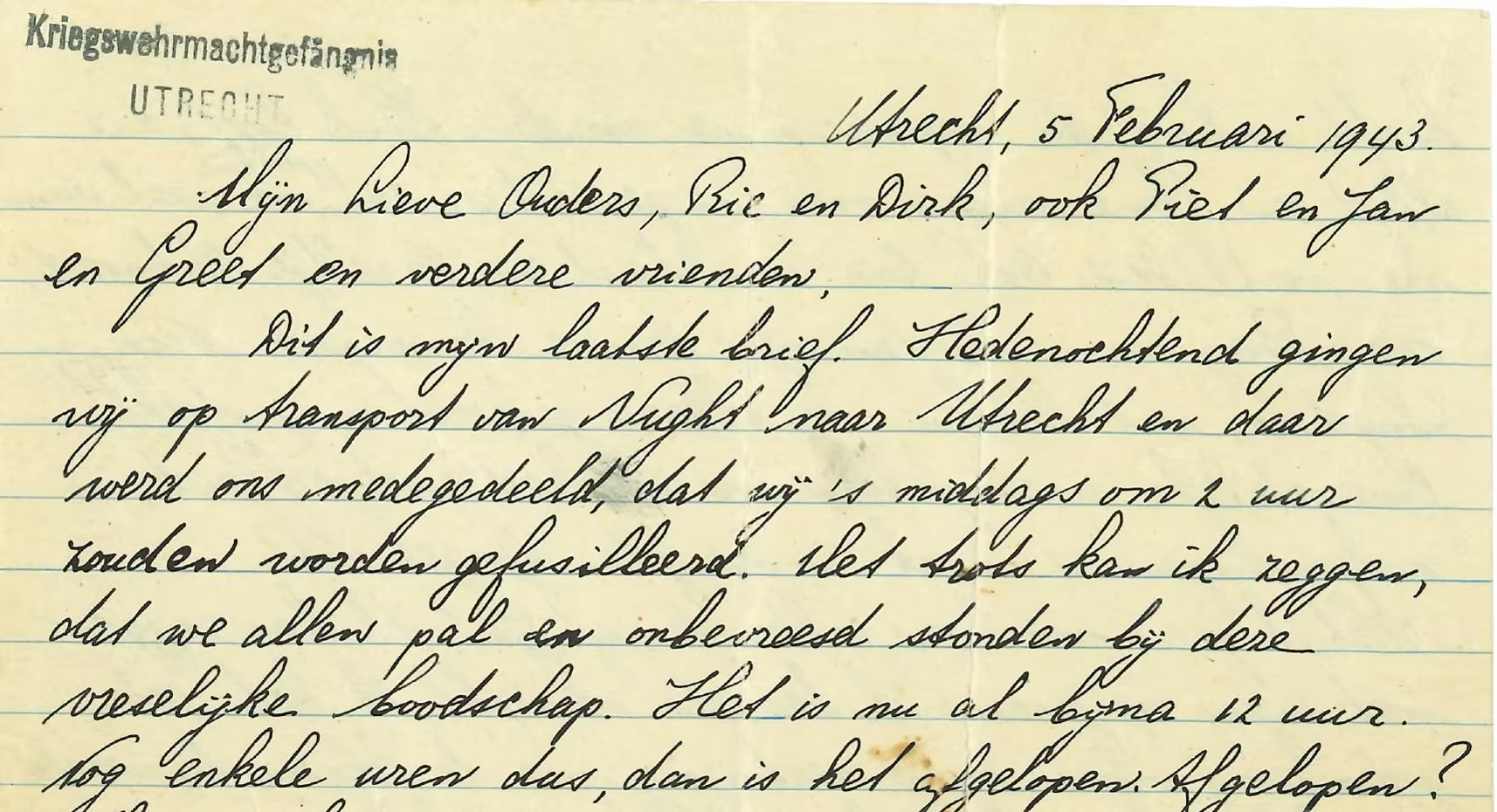
After her first interrogation at the Oranjehotel, Willemina was taken out of her cell one more time to be grilled. After that, things remained quiet for months. Until, on December 19—nearly eleven months after her arrest—she was taken from her cell to be transported to Germany without any form of trial. That same day, seventeen Parool employees heard the death sentence handed down against them by the Kriegsgericht in Utrecht. The four German lawyers had not been allowed to review their clients’ case files and were permitted to speak with each defendant for only five minutes. Any of the defendants who did not speak German could not have a meaningful conversation with their lawyer anyway. Among those sentenced to death were Wibo Lans, as well as Herman Meinardi, Frans Robbe, and four others from the Hague Freedom Group.
When she left the Oranjehotel, Willemina was not told where the journey would take her. She set out with five other women, and the journey—which took them past several detention centers—would last two and a half weeks. “We ‘celebrated’ Christmas and New Year’s in Kleve,” she wrote about this after the war. “After a weekend in Düsseldorf and a night in Hanover and Berlin, we arrived in Ravensbrück on January 6, 1943. The journey from Kleve to Berlin was made in specially equipped train cars, which had been divided into small cells for this purpose. Once the train was moving, the compartments were usually opened, and we were given hot coffee or water to drink. It was then that we first saw the zebra-striped prison uniforms, not yet knowing that we ourselves would also be so neatly outfitted.’
According to Willemina, conditions at the Ravensbrück concentration camp were initially “reasonable.” But as 1944 progressed, the camp became overcrowded and conditions deteriorated dramatically. Between June and December 1944 alone, 52,000 new prisoners were registered. “In the end, twenty of us women slept in four bunks,” Willemina wrote. In a massive tent that the SS had set up in the camp, more than 4,000 women wasted away under the most appalling conditions. Hygiene conditions were catastrophic, rations were cut back further and further, and more and more women showed signs of severe malnutrition. “Almost no one had a period,” Willemina recalled after the war. “There were people who regularly received packages from home and thus got margarine, rye bread, and so on. These women then started menstruating again, because the supplementary food was very important.” For the women in Ravensbrück, death became a familiar face.
In preparation for the evacuation of the camp, the SS began conducting selections in the infirmary barracks in early 1945. Seriously ill and weakened prisoners who would be unable to march were taken away to be murdered. Initially, they were shot at the crematorium, which was located just outside the camp. In January 1945, a gas chamber was put into use there. At first, the selections took place only in the infirmary barracks; later, they occurred in all the barracks in the women’s camp. Willemina, too, was selected for gassing, she stated after the war. The only reason it did not come to that was that the gassings were halted at the end of March 1945 for unknown reasons. A rumor spread through the camp that the gas chamber was broken. “At that moment, I felt as though my joy was radiating from me. I had come back to life; an unexpected gift had been bestowed upon me. I had come to terms with life; I had silently bid farewell to this world, yet I had returned.”
Willemina was able to leave Ravensbrück in April 1945 thanks to a rescue operation led by Count Folke Bernadotte, vice president of the Swedish Red Cross. After negotiations with SS leader Heinrich Himmler, he received permission for his “white bus plan.” Several large convoys of white buses transported some 7,500 women from Ravensbrück to freedom. They traveled through northern Germany, straight across the front lines, to liberated Denmark and neutral Sweden. Among them were 249 Dutch women. After regaining their strength in Sweden, they returned home in July 1945.
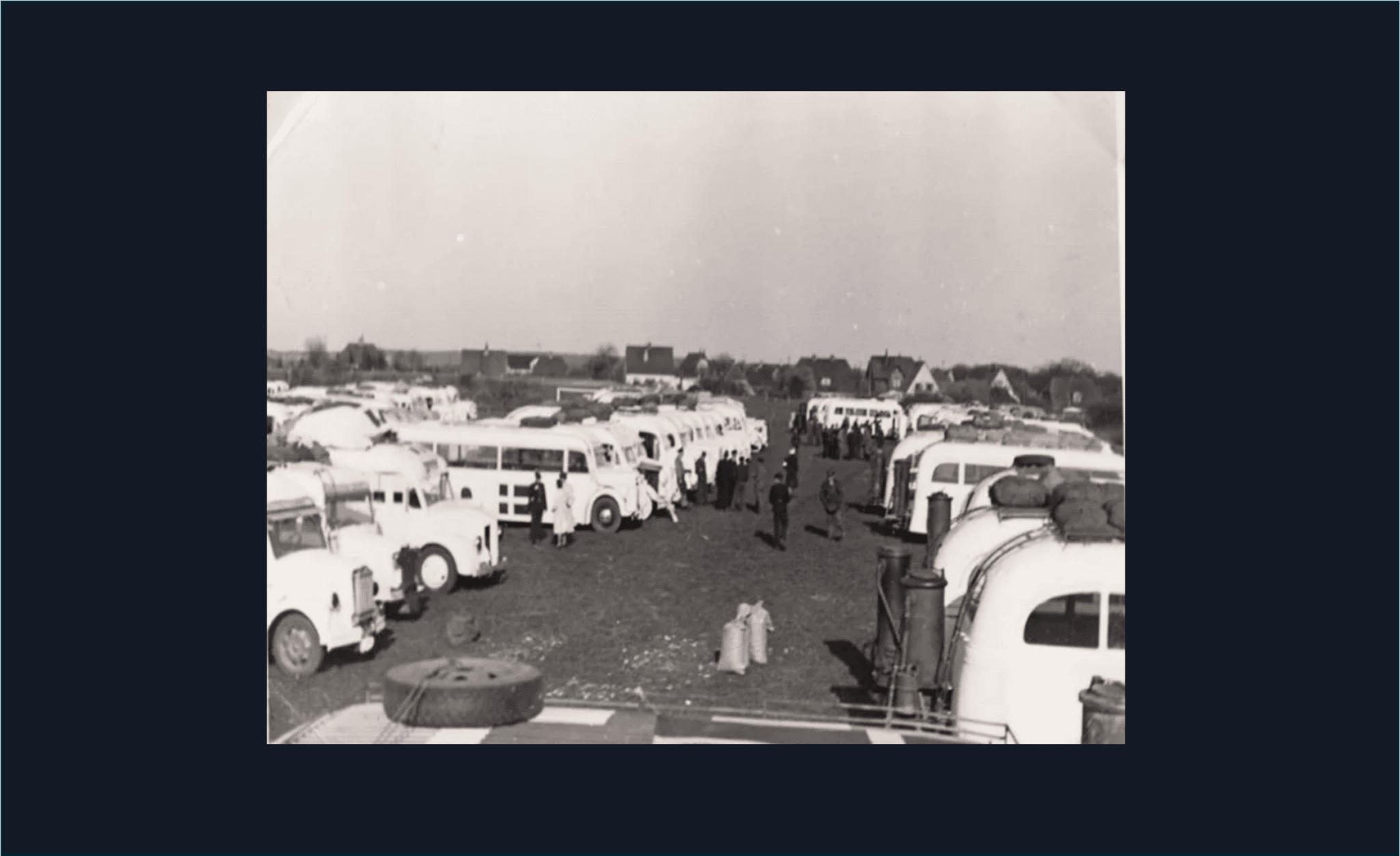
And there was Willemina. Back in the Netherlands again. After more than three years in captivity, she was back in the “normal world.” How did she pick up the threads of her life again? She had to get back to work—that much was certain. Back to work as a private nurse, to put food on the table and keep a roof over her head.
It may come as no surprise that this was difficult for her. How can you care for others when you yourself have barely regained your physical strength and have not yet had time to process what happened? In 1949, her physician-psychologist wrote to the 1940–1945 Foundation: “She has tried time and again to return to work, but the effects of the psychological trauma consume too much of her energy, so that she can no longer adequately cope with the difficulties of life and her profession.”
Willemina suffered from unexplained back pain, chronic fatigue, and constant crying spells. Instead of regaining control of her life and finding joy in it, she found herself in a downward spiral. She had to give up her job as a nurse in favor of lighter work. “She’s still dabbling a bit in massage and pedicures,” her medical psychologist remarked, “but she can’t even perform that work properly. Someone like that is also unsuitable for treating patients.”
In January 1950, she was admitted immediately to Prins Hendriksoord, a convalescent home for “those in need of mental rest” in Lage Vuursche. “You have no idea what it means to me to think that I’ll soon be able to rest—just rest,” she replied. But what about her patients? “I can’t […] just suddenly abandon my patients and risk having no income at all when I return.”
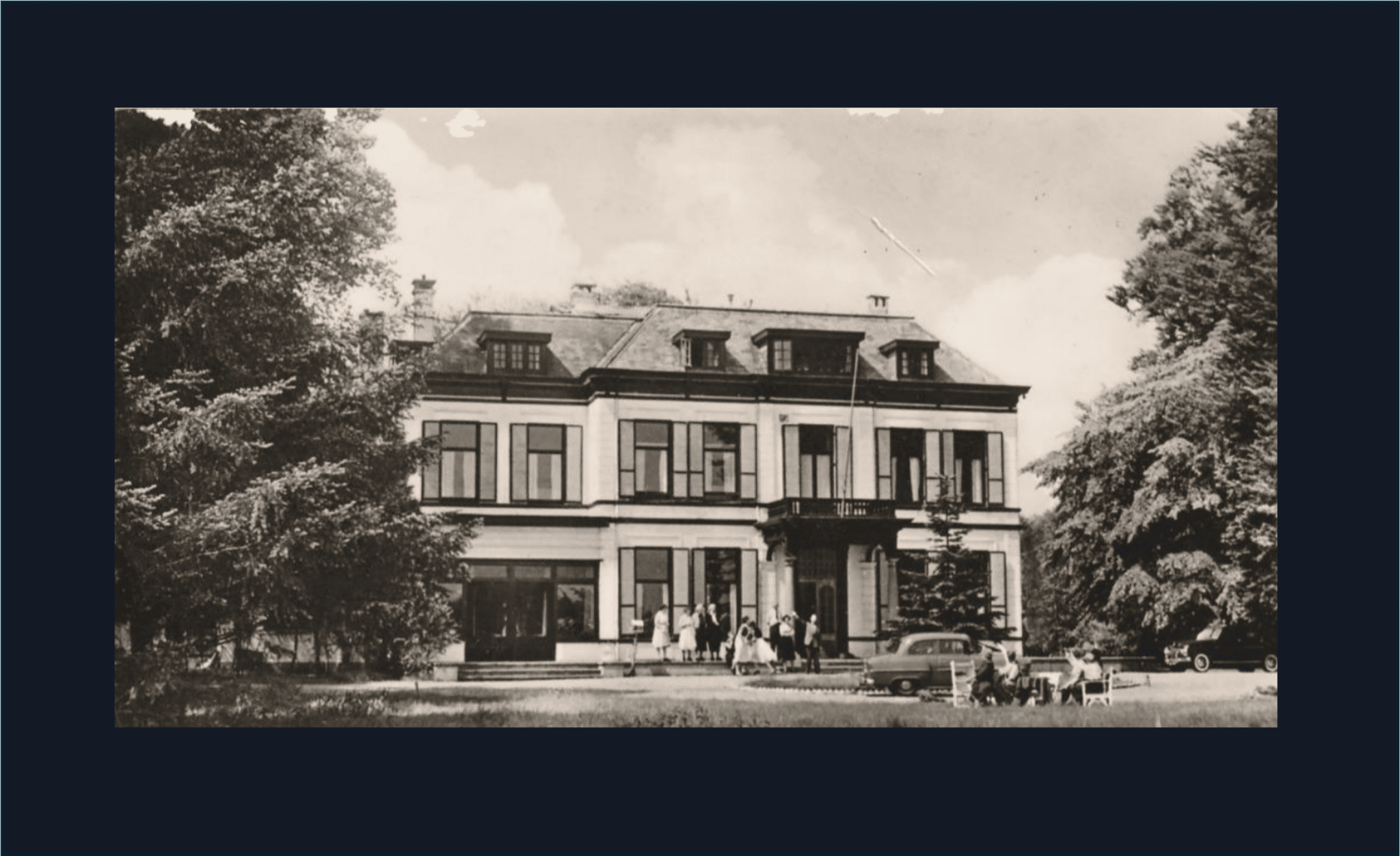
A month later, she finally left, after visiting all her patients one last time and making arrangements with them. “How I had longed for this day, especially in the last few weeks,” she wrote shortly after arriving at Prins Hendriksoord. “I wouldn’t have been able to keep going without this prospect.” Now, more than anything, she wanted to start medical treatment as soon as possible, “to be properly fixed up […] so that I can get back to work at 100 percent afterward.”
Her admission did not bring her what she had so fervently hoped for. “Sister Schilderink does not show much interest in life,” noted a reporter from the 1940–1945 Foundation two and a half months after her admission. “She wonders if it wouldn’t have been better if she hadn’t returned from the camp. She feels constantly tired and prefers to stay in bed.”
To the management of the rest home, she was becoming an increasingly difficult patient. “She always feels neglected and doesn’t receive enough care and love,” was the assessment after she had been at Prins Hendriksoord for five months. Like the management, a reporter from the 1940–1945 Foundation got the impression “that she revels in her illness and refuses to move past it.”
Fortunately for Willemina, her medical psychologist had already come to a different conclusion. Regarding Willemina’s unexplained physical symptoms, one might suspect exaggeration—he wrote to the 1940–1945 Foundation—exaggeration for personal gain. But after repeated examinations, he had concluded that her symptoms stemmed from psychological trauma sustained while in captivity. He therefore supported her application for a special pension. He deemed her unfit for work and recommended that she be declared 100 percent disabled, because “otherwise, her suffering would continue.”
The 1940–1945 Foundation accepted the recommendation, after which the Pension and Benefits Board granted Willemina the special pension. She would continue to receive this pension until her death in 1982 at the age of 79.
Marga’s imprisonment also had a profound impact on the rest of her life. The heart problems she had been suffering from even before her arrest worsened. Because, as a patient with a serious heart condition, she was strictly forbidden from climbing stairs, she had to move. Like Willemina, Marga was also declared 100 percent disabled. She was granted a special pension because the worsening of her heart condition was a result of the stress she experienced in captivity. The fact that she had become dependent on the care of her sister Hilde, who was fourteen years her junior, weighed heavily on her. Especially “because after […] the war, she could have chosen a different path instead of burdening herself with caring for me,” Marga wrote ten years after the war. “After the war, she was a young woman […] She could have had a thoroughly satisfying career. Now it’s too late for that.”
Nevertheless, Marga and Hilde managed to give their lives a new direction together, one that must have brought them both joy and fulfillment. Together, they formed a writing duo. Under the pseudonym Martin Mons, they published no fewer than 32 detective novels. Hilde came up with most of the plot, while Marga did most of the writing. Their last mystery novel was published in 1964, the year in which they both passed away within a month of each other, at the ages of 71 and 58.
By adopting the cell at the Oranjehotel, the Democracy and Media Foundation is once again bringing to light the stories of *Het Parool* employees who were imprisoned there. Willemina and Marga were among the approximately 2,500 women who were imprisoned here during the occupation—out of a total of more than 25,000 prisoners. Much less is known about the women than about their male fellow prisoners. For a very long time, relatively little attention was paid to their stories.
News and articles