Listen to the SDM podcast: a trilogy on democracy and media
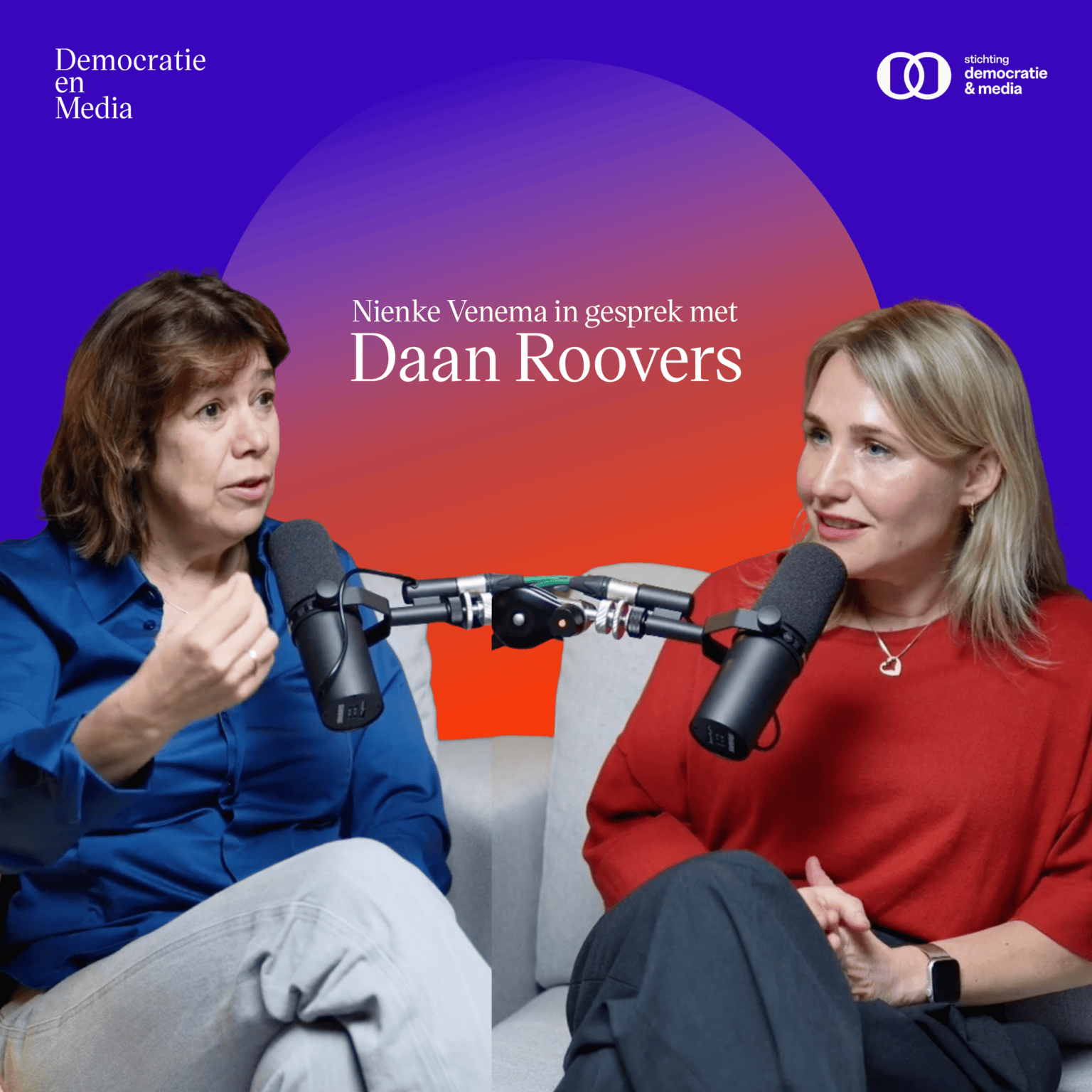
Today marks the release of the three-part podcast series “Democracy and Media.” In it, Nienke Venema, director of SDM, speaks with sharp-minded thinkers about the impact of technology on our public debate and our democracy, in search of new insights and answers.
Our media landscape has changed beyond recognition over the past two decades. From a dancing banana on Hyves to AI serving as your personal news reader—technology is playing an increasingly decisive role in determining what information we’re presented with and how we view reality. What does that mean for our democratic society?
Over the next few weeks, a new episode of the three-part series “Democracy and Media” will be released every Tuesday.
Healthy Public Debate
In the first episode of this three-part series, Nienke speaks with public philosopher and senator Daan Roovers. For thirty years, Daan has been exploring the question: What does a healthy public debate look like?
In 2026, our information system will be “in a precarious situation,” according to Roovers. Numerous factors contribute to this: manipulation, disinformation, foreign interference, and deception by global tech giants. Roovers: “It’s truly terrifying. The influence is still limited for now, but the potential for it is massive.”
What does that mean for how we form our opinions? And how do we ensure that public debate remains open, critical, inclusive, and reliable? Ideally, Roovers would like to see the right to fair and reliable information enshrined in the Constitution.
Because: “Democracy only makes sense if people can cast their votes based on fair and reliable information.”
Electoral Success of the Far Right
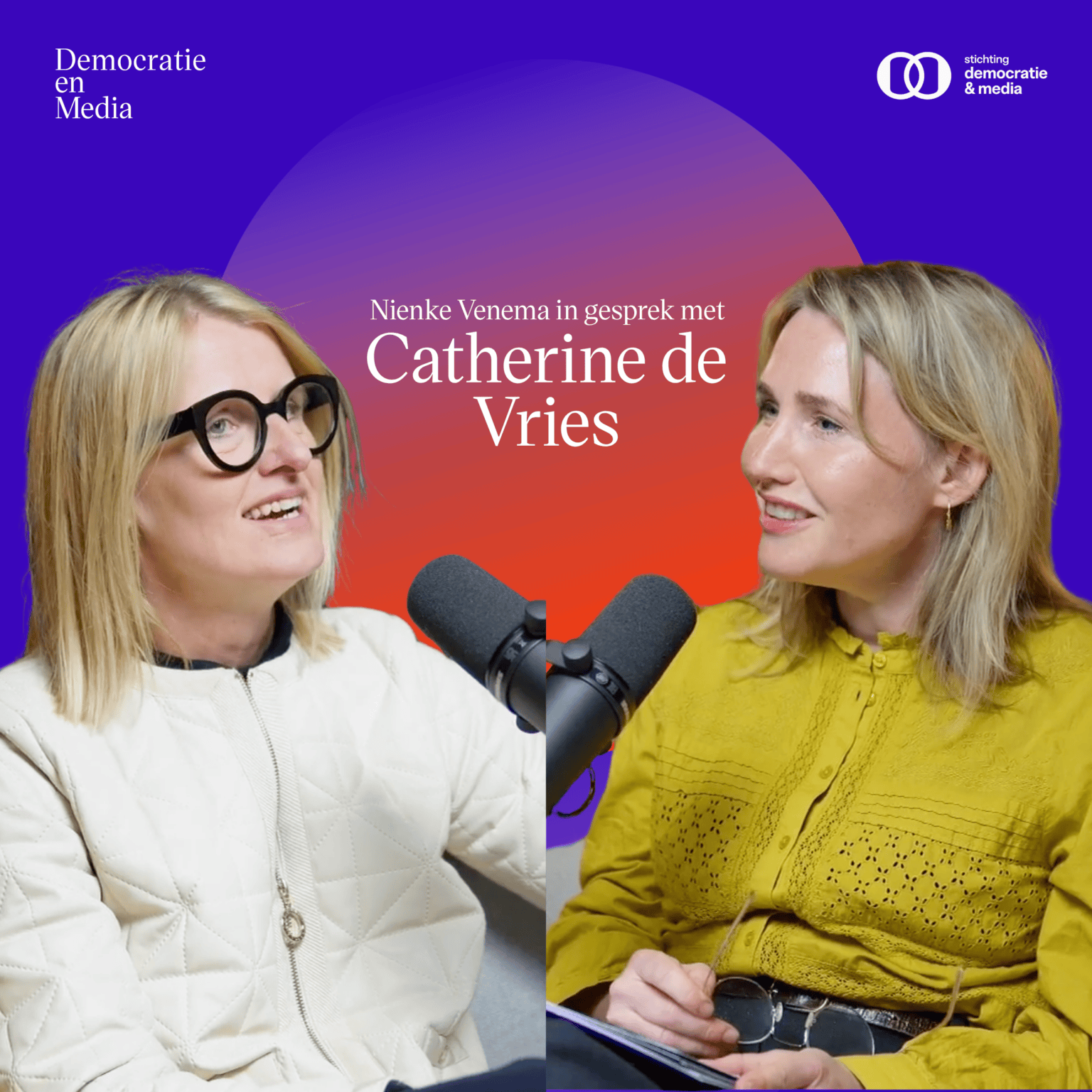
In the second episode, Nienke speaks with Catherine de Vries, a professor of political science, about the rise of the far right. Catherine has been researching the factors behind the far right’s gains in the Netherlands and Europe for years.
Her book *Symphony of Discontent* was recently published; it begins with a farmer in Overijssel who is slowly losing his faith in politics. Whereas he used to vote for the CDA without fail, he is slowly but surely shifting his support toward the LPF, eventually ending up with the PVV.
It’s a story close to home, because that farmer in Overijssel is Catherine’s father. How is it that the far right is doing so well throughout Europe? What role do emotions play in electoral success? And what influence do the media have in this regard?
Overwhelmed by information
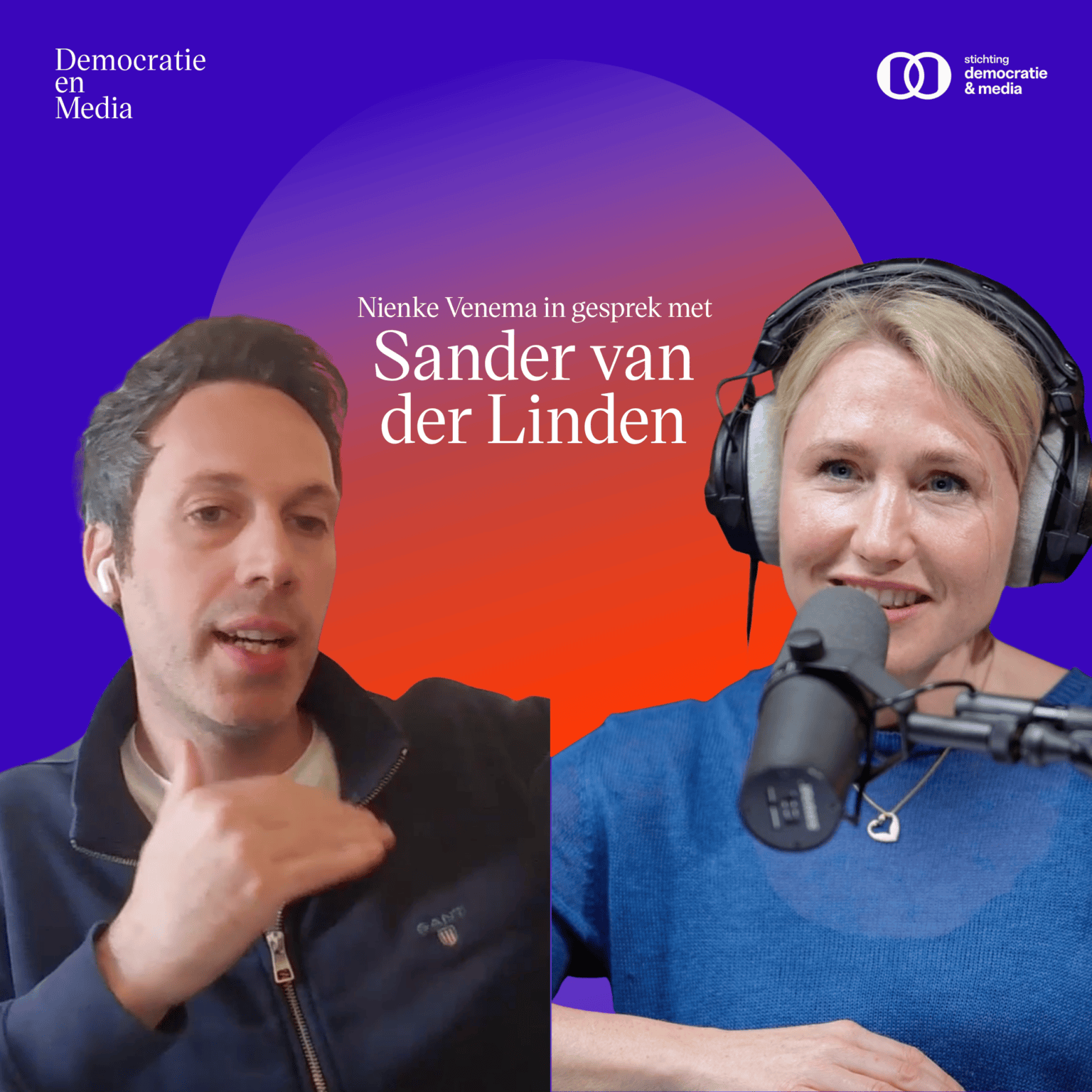
In the final episode of this three-part series, Nienke speaks with Sander van der Linden, a professor of social psychology at Cambridge University. What effect does the endless stream of information we’re constantly exposed to via our phones have on our brains? And how does it influence the choices we make, both as individuals and as citizens?
As director of the Social Decision Making Lab, Sander studies how misleading information spreads like a virus on social media. How do people deal with misinformation? And what does this mean for our public discourse and trust in democracy?
More about who we are and what we do