Journalist Carole Cadwalladr on the broligarchy: ‘Online platforms are more powerful than nation states’
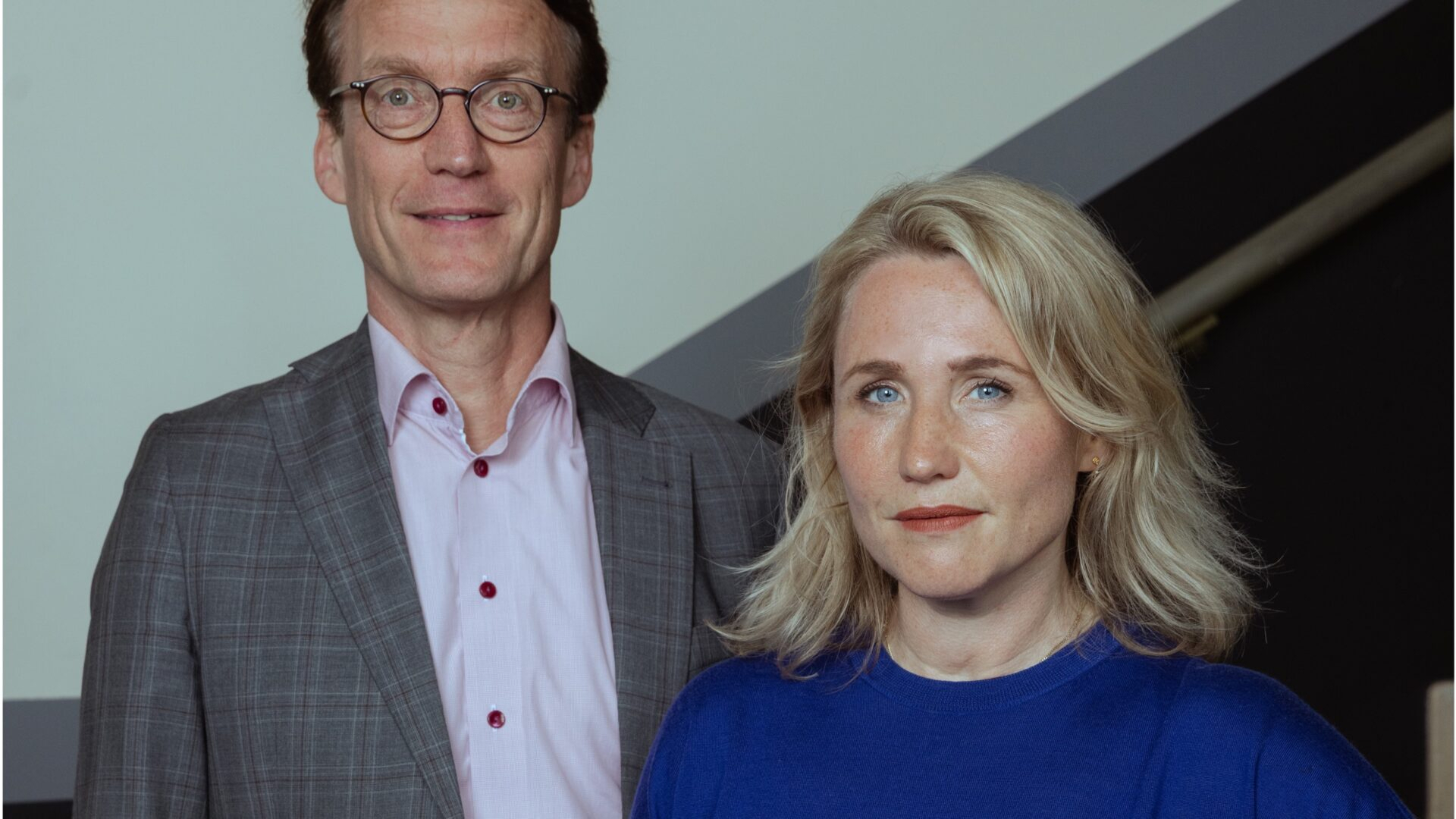
The Democracy and Media Foundation interviewed journalist Carole Cadwalladr at the International Journalism Festival in Perugia, Italy. In the festival’s largest hall, she spoke with SDM’s lead External Relations officer, Lisa Peters, about the “broligarchy.”
Photo: Andrea di Valvasone
Cadwalladr, who previously worked for The Guardian and The Observer, has been reporting on the risks that major tech platforms pose to democracy for over a decade. In 2018, she gained worldwide recognition for her groundbreaking investigation into Cambridge Analytica. She was the first to expose how personal data on Facebook was used to influence political processes such as the Brexit referendum. In recent years, she has been a fierce opponent of what she calls the “broligarchy.”
In the session titled “Exposing the Broligarchy,” she explains that she coined this term when Peter Thiel’s confidant, JD Vance, was put forward as Donald Trump’s running mate . “That’s when it dawned on me that something very significant was happening here,” Cadwalladr said. “What we’re seeing here is a merger of Trump’s MAGA movement with data surveillance companies and their global platforms.”
Technofascism
“I’ve long referred to the alliance between technology and authoritarian politics as techno-authoritarianism, but now I call it technofascism,” says the award-winning investigative journalist. Tech giants possess vast amounts of private data that are at risk of falling into the hands of regimes allied with them. Cadwalladr: “That is so much more dangerous than the fascism we know. The fusion of authoritarian governments with tech platforms is a kind of political power the world has never seen before. Everything we’re seeing happen in the geopolitical arena right now stems from that.”
Cadwalladr observes a libertarian resurgence in Silicon Valley. “Peter Thiel is actually a textbook example of this. He doesn’t believe in democracy or democratically elected governments. It’s at odds with what matters most to him: freedom.” Yet, to Cadwalladr’s surprise, the British government has signed a series of agreements with him. “It’s a kind of colonialism. We’re becoming a vassal state of Silicon Valley.”
Journalism
How do you hold these platforms accountable for their actions? Cadwalladr has thought long and hard about this, but she believes that so far, no one has truly succeeded—not even journalism. “Journalists know how to hold those in power accountable the old-fashioned way, but we live in different times now.”
According to Cadwalladr, she and her colleagues should not be afraid of being labeled activists. “We are journalists, but we are also citizens living in democracies that are under existential threat. I’m not being biased when I say that Peter Thiel wants to destroy democracy. Those are his exact words.”
“I find journalists in authoritarian countries incredibly inspiring,” Cadwalladr said. She recalls colleagues at an Arab conference on investigative journalism who approach their governments with a healthy dose of skepticism. “You don’t expect to get truthful or accurate facts. You know they’re going to lie to you. I think you really need to have that mindset when it comes to tech companies and some politicians. You have to find alternative ways to verify their facts. You can’t fall for their narrative.”
Carole Cadwalladr is the co-founder of the journalism platform The Nerve. She also writes a popular Substack titled *How to Survive the Broligarchy*.
News and articles