Media for Democracy 2025: ‘People love the truth, but hate facts’
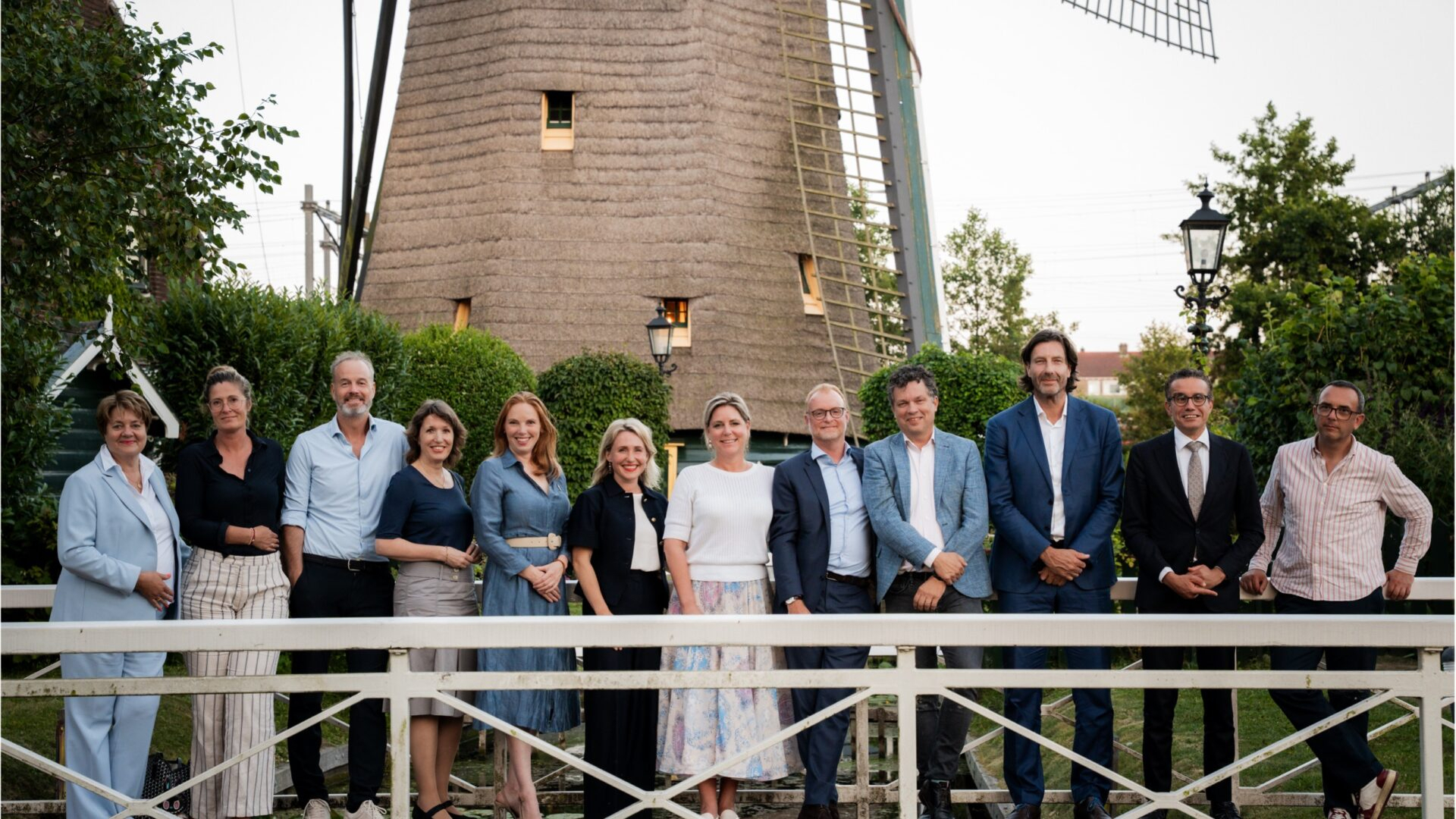
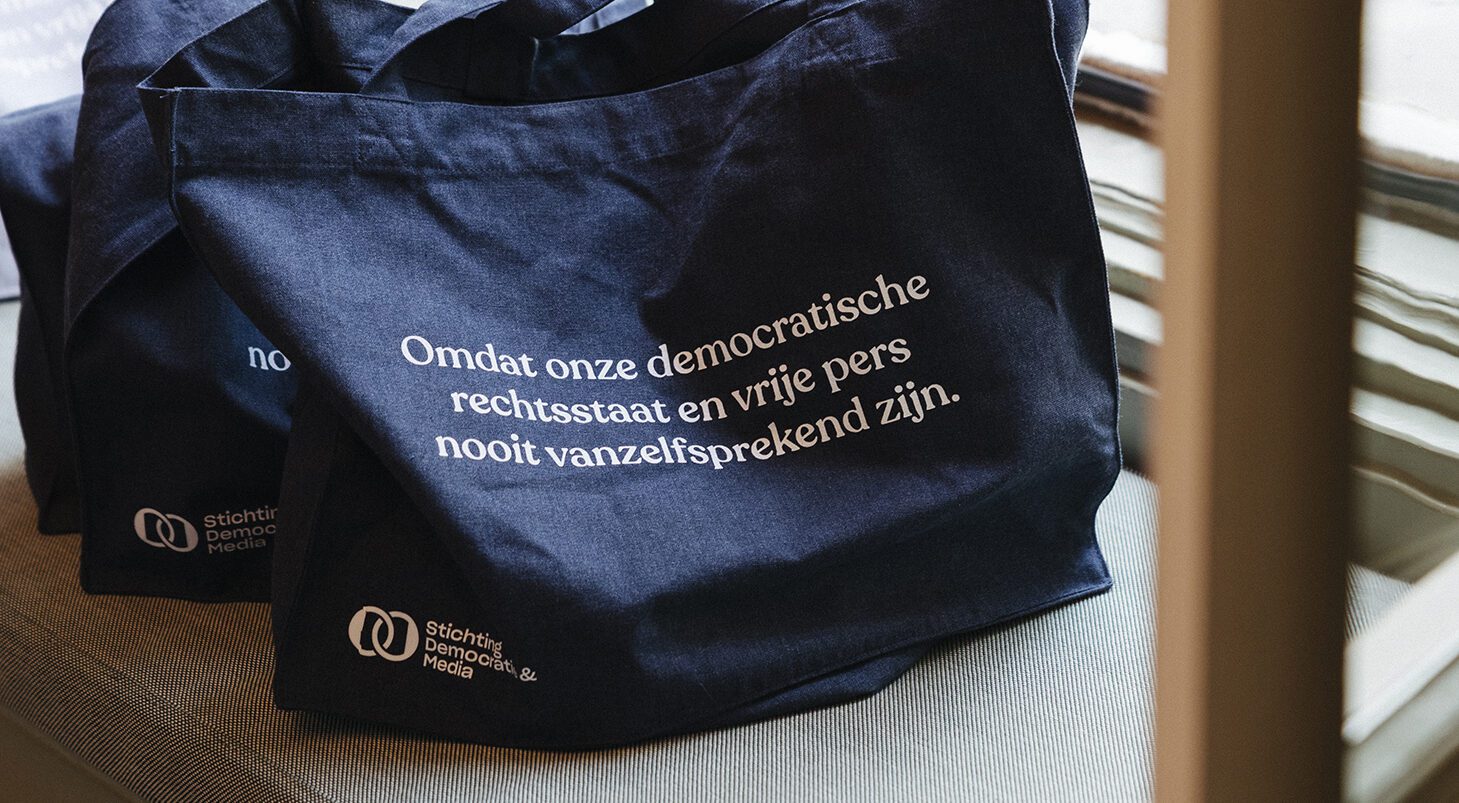
On June 13, 2025, more than a hundred representatives from public and private media gathered at the “Media for Democracy” event, organized by the Democracy and Media Foundation and the foundations behind the publications Trouw, NRC, Het Parool, and de Volkskrant. The central question was: How do we maintain a resilient reality in times of constant change and the threat of war?
The participating editors-in-chief, directors, board members, researchers, regulators, and journalists collectively play a major role in shaping the Dutch journalistic media landscape. For one day, as a “select group of leaders,” they discussed the future of that landscape and their shared task and responsibility for our democracy.
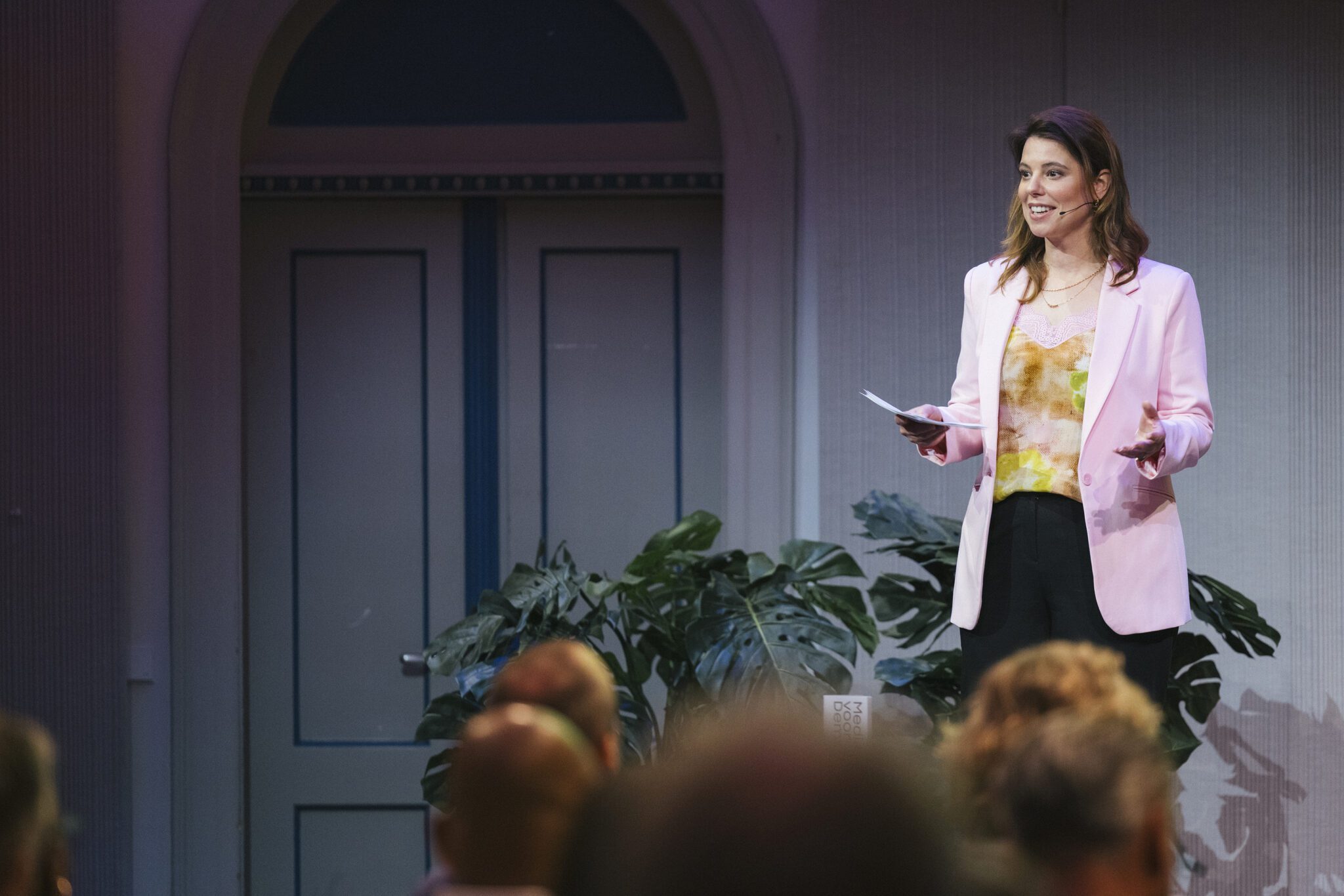
The fact that the event was organized on Friday the 13th was not entirely coincidental. The threats facing our democracy and the challenges confronting the journalism sector are widely felt. Trust and authority can no longer be taken for granted, and old answers and views are no longer sufficient. These times call for new insights, sharp analyses, and clear visions. That need took shape throughout the day in several plenary sessions, expertly chaired by Roos Moggré.
Substantive contributions
Ernestine Comvalius, author, columnist, and member of the SDM supervisory board, opened the event. She invited those in attendance to rise above the day-to-day grind: “Because somewhere up there, at a meta-level, when all the trappings and restrictive work pressures, the drive to compete, and the unhealthy part of your ego have slipped away from you. At that wild height, you might be willing to ponder those essential ontological questions: What is our shared reality? Where do we stand?”
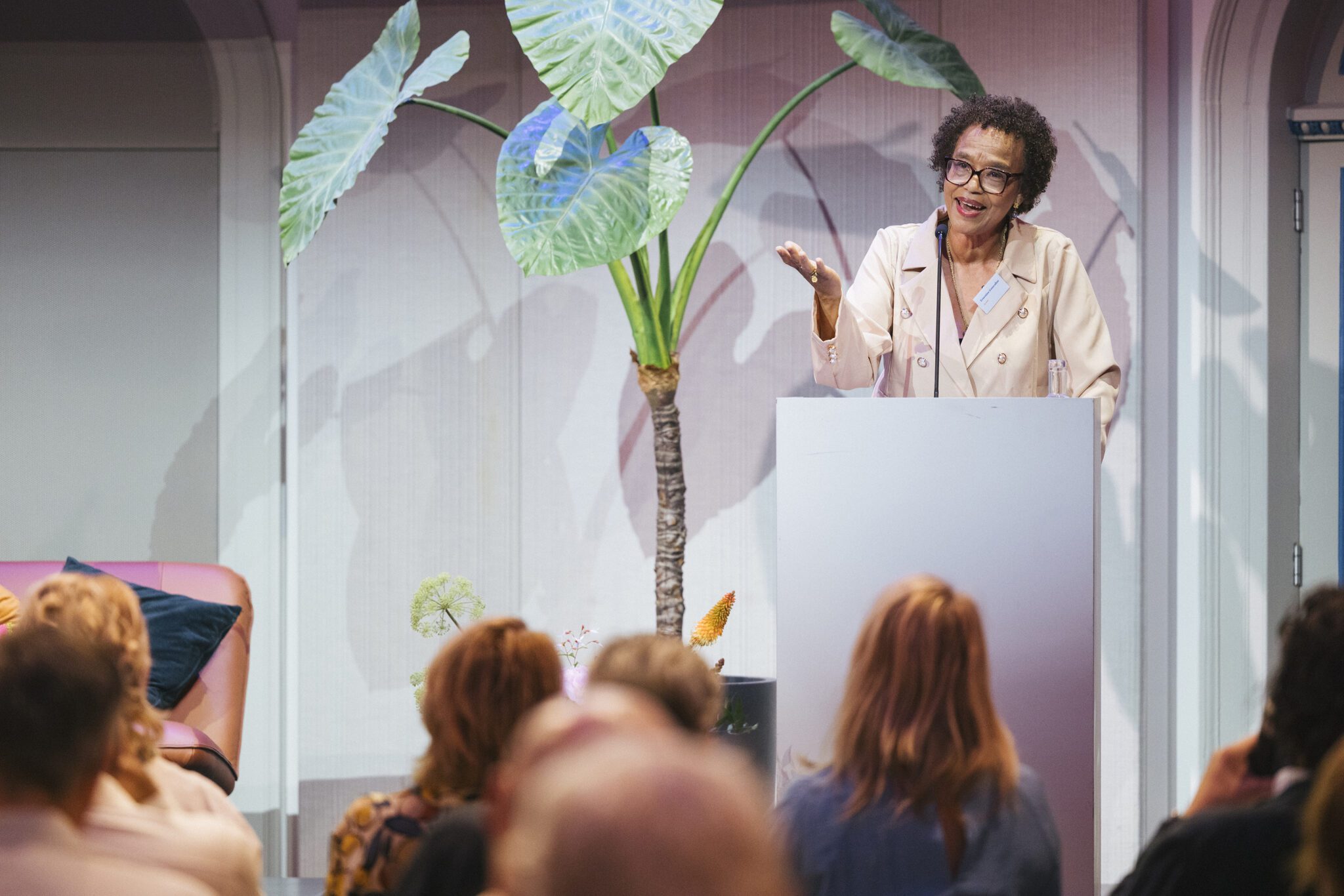
“We invited you because we recognize that the world around us is undergoing profound changes,” SDM Director Nienke Venema then said as she welcomed the attendees. “Without a shared analysis of the situation we find ourselves in—and of where we want to go—we won’t make any progress. That’s what today is for. It may feel a bit uncomfortable or difficult at times. But if we can’t expect that from you, then from whom can we?”
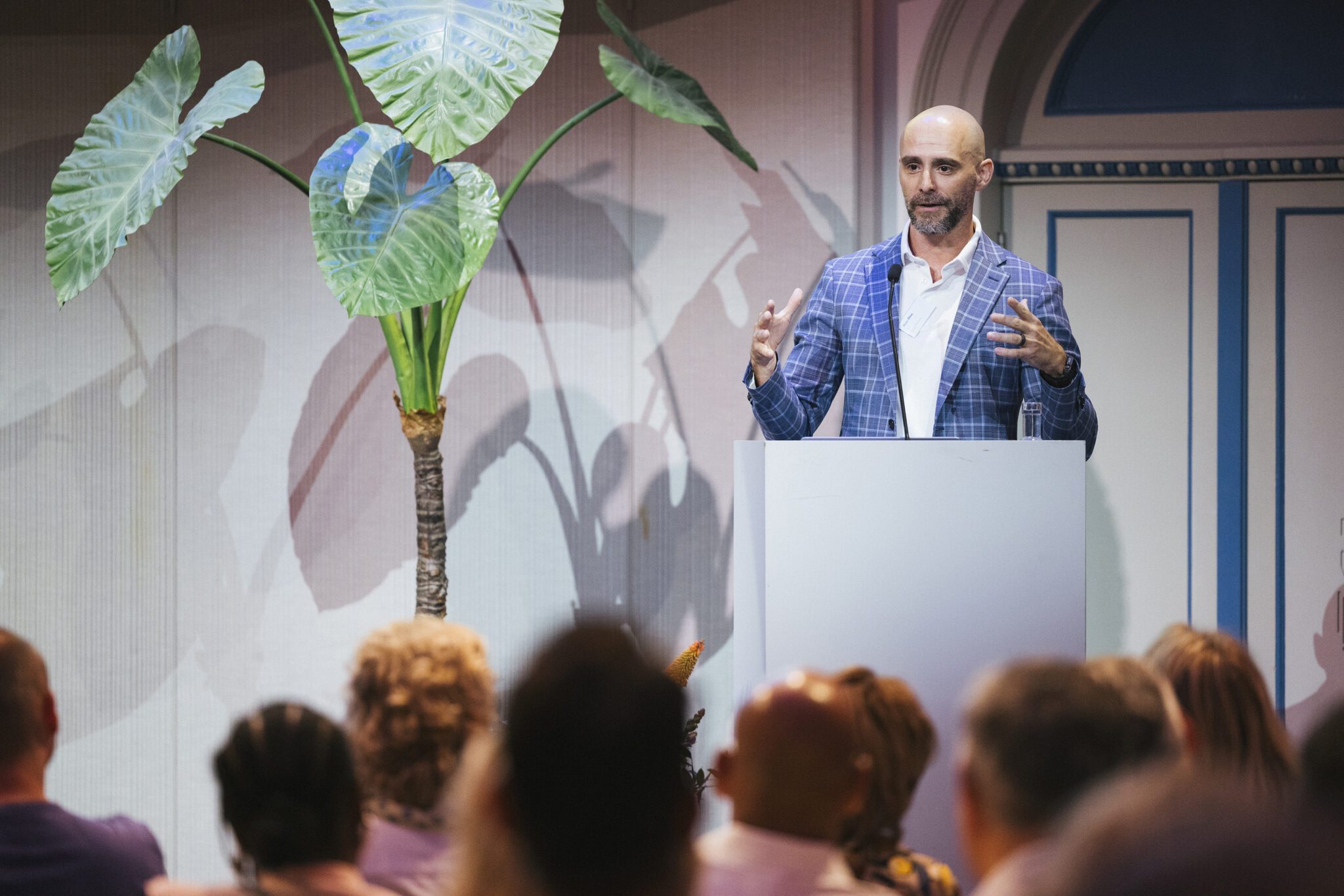
The keynote speech was delivered by Sean Illing, senior correspondent and podcast host at Vox.com and co-author of the book *The Paradox of Democracy*. He ruthlessly illustrated how liberal democracy as we know it no longer exists—how it has been hijacked by malicious political and capitalist forces, and the effect this has had on the position of the news media: “When you lose control of the information environment, you lose the ability to coordinate meaning.”
Philosopher, writer, and former “Thinker of the Netherlands” Marjan Slob highlighted the importance of a sense of community and a democratic mindset in her presentation. And during lunch, illusionist Victor Mids showed participants just how easily people can be influenced. The creators of *Het Klokhuis* used a stop-motion video to clearly explain once again what the word “reality” means. The day concluded with an interactive column by Eveline van Rijswijk, featuring quotes from the audience.
Breakout Sessions and Insights
In the breakout sessions, participants analyzed specific challenges without jumping too quickly to solutions. Topics included the distinction between journalism and the media, the need for and scope of public-private partnerships, and the overproduction of news that confuses, paralyzes, and discourages people. Discussions focused on what journalistic decision-making and leadership look like in times of crisis, how journalism can function in a technology-dominated world, and what role citizens can play in shaping new structures. Finally, the discussion also examined how democracy can be made more future-proof (as is being attempted in Finland), and envisioned what our media landscape should look like in 2040.
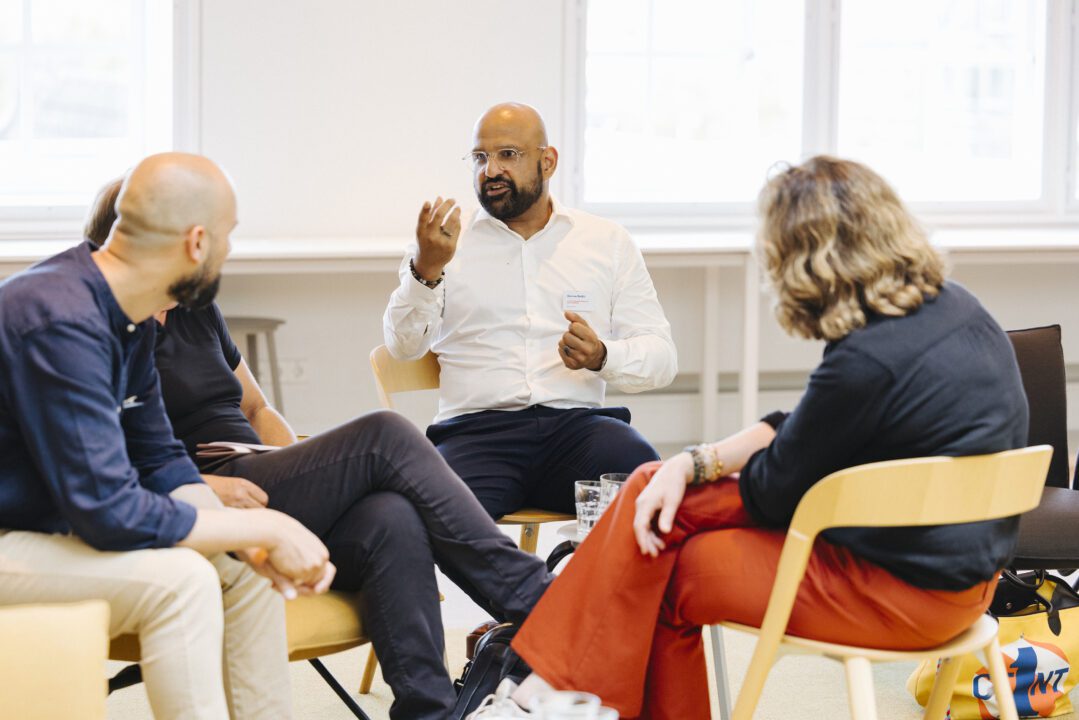
Here are a few insights that emerged:
1. Democracy is, above all, a mindset
The existing structures and institutions of liberal democracy are creaking and groaning worldwide. But that instability should not lead to despondency. For above all, democracy is a mindset, explains Sean Illing. It is supported by institutions, processes, and structures, but stems from a set of values we hold dear. “Democracy is not merely how we choose our leaders. It is how we talk to each other, how we form beliefs about the world, how we persuade each other. And because it is open and free, it is inherently unstable.” Marjan Slob also says: “A democratic mindset is the way we hold each other accountable and regulate our relationships with one another to keep them fair.’ This has implications for journalism—here, too, the values we all uphold must be central to our thinking and actions. This applies to business considerations as well as to choices regarding technological solutions and decisions that must be made under intense time pressure.
2. “The zone is hopelessly flooded with shit”
Media and journalism are not the same thing, even though the terms are often used interchangeably. Their tasks and roles differ fundamentally. As one participant put it: “Journalism shouldn’t entertain, distract, influence, or sell, but rather verify and interpret.” This also requires resistance to political pressure and commercial temptation. Or as Sean Illing aptly put it: “The zone is hopelessly flooded with shit.” Journalism must not get swept up in that deluge of “news” intended to confuse or distract—even if it seems successful because people click on it. At the same time, it’s important not to underestimate the public. “People know full well the difference between journalism and disinformation on social media. But sometimes they just feel like consuming disinformation…,” said one participant. Or, as Illing put it again: “People love the truth, but they hate facts.”
3. Do not focus (only) on the truth, but rather on the untruth
While we are often inclined to focus on presenting the truth, it is at least as crucial to also pay attention to the untruth and that which is hidden. As one participant said: ‘We must not only report on what we see, but also on what we do not see. Sometimes something that is absent, but actually should have been present, is extremely telling.’ Especially since anti-democratic forces know better than anyone how to manipulate and influence. Victor Mids explained it clearly: ‘Attention works like a spotlight,’ and: ‘A large movement obscures a small movement.’ This applies when an illusionist makes a curtain disappear, but also in the stream of daily news.
4. Be Prepared
In her opening remarks, Nienke Venema wondered whether we might not already be at war. And what that means for journalism. In any case, it means we need to be better prepared—among other things, by enhancing the skills of editorial teams. During a war game, we learned to deal with opposition and deception through simulated scenarios. As one participant put it: “I find that when making quick decisions, I need decision-making frameworks and training in this area.” But democracy itself can also be better prepared for upcoming changes, as they are doing in Finland. There, foresight takes center stage: systematic future thinking as a tool for policy and social development.
5. Solutions Are Human-Centered
Despite—or perhaps precisely because—many of today’s threats are driven by technological developments, the solutions seem to lie primarily in humanity. Media organizations must first redefine their relationship with their audience before they can strengthen democracy. Sustained engagement with citizens is necessary and can take many different forms. For example, by participating in citizens’ assemblies or by deploying neighborhood correspondents. In this context, insight is the rudder that steers our democracy. Or as Marjan Slob put it: “Citizens are not policy consumers. A vox pop doesn’t take them seriously as fellow citizens. Ask follow-up questions and be critical: what connections do they see, and which values clash?”
6. There is room for a united front
Both public and private media feel the urgency to collaborate more—partly to avoid being sidelined, and partly to enable innovation. In doing so, organizations must ask themselves what they ultimately want to protect and where their shared interests lie. That is where opportunities arise to join forces—for example, in the face of big tech, where dependence on platforms is high, especially when it comes to reaching young people. Media in our language region could, following the Scandinavian example, operate more often on a collaborative basis: by sharing knowledge about AI, formulating demands directed at tech companies, and refusing to be divided by lucrative deals. The NPO and the larger media outlets bear extra responsibility in this regard.
Finally
The role of journalistic media in our democracy has fundamentally changed. But that doesn’t mean it’s over. It does mean, however, that it will have to reinvent itself. In the words of Sean Illing: “There are no gatekeeping institutions left. Information will never be controlled again. So this next phase of democracy, whatever it may be, is not about managing the flow of information. It is about helping people learn to live with its abundance.”
Watch the aftermovie for Media for Democracy 2025 here:
More about who we are and what we do