Media for Democracy 2026: ‘The future is being built, by us’
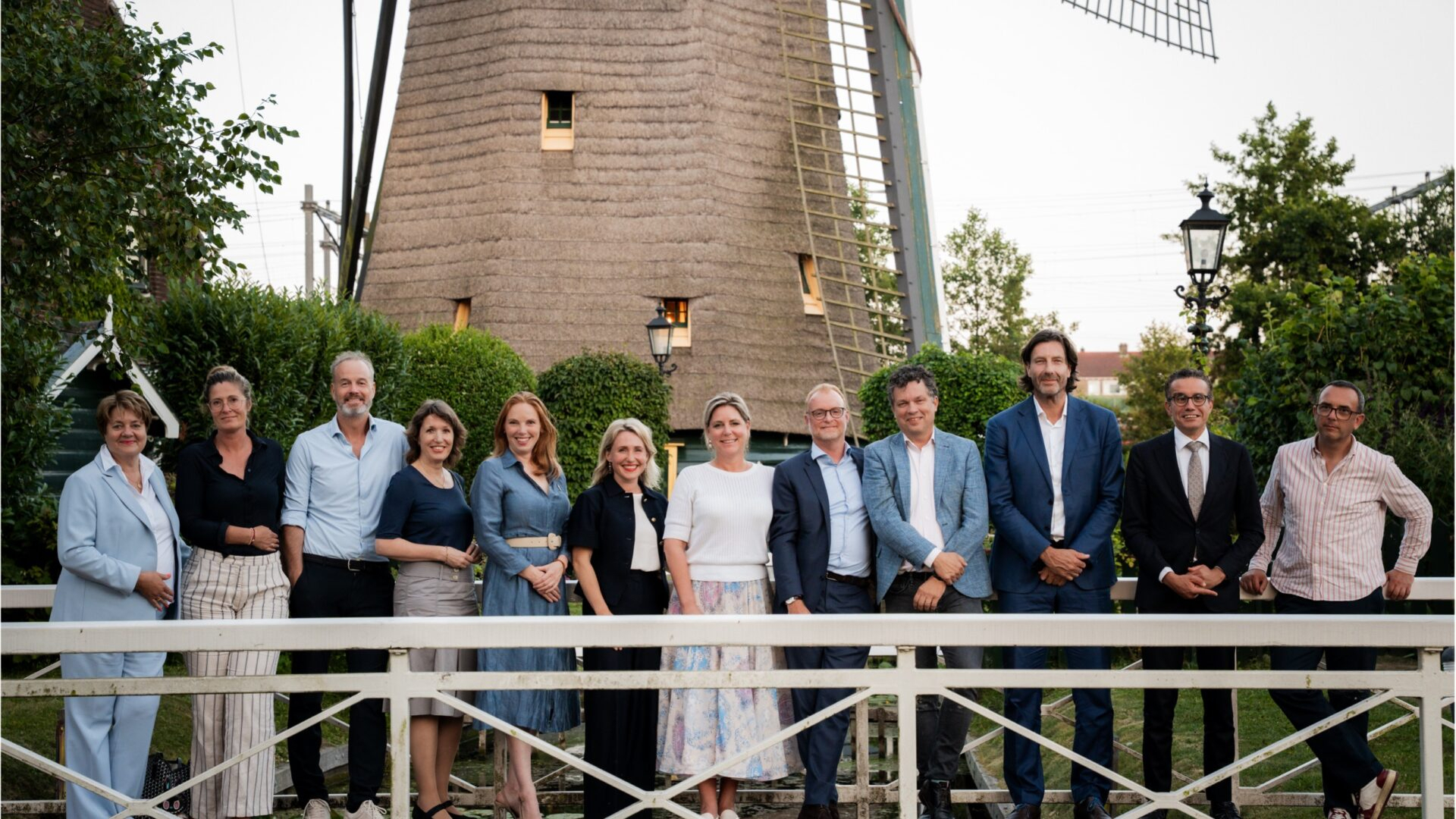
On June 5, 2026, approximately 130 representatives from the media sector gathered at the “Media for Democracy” event, organized by the Democracy and Media Foundation, with support from the foundations behind the news outlets Trouw, NRC, NU.nl, RTL Nieuws, Het Parool, and de Volkskrant.
Photos: Anne van Zantwijk
The participating editors-in-chief, board chairs, publishers, regulators, senior civil servants, academics, and journalists spent a day together exploring the future of our media landscape. In her opening remarks, Nienke Venema highlighted what makes this event unique: there is no other place where the entire Dutch media sector—both public and private—comes together.
The conclusion of the day is clear: don’t be swayed by those who predict the future, but don’t let doomsayers paralyze you either. What matters is the realization that we are living in a brief, malleable period of major change. What’s at stake: Will we still have a media landscape that is recognized and trusted as such? “The fragmentation—which is being accelerated and deepened by AI—makes all of this even more urgent,” says Venema.
A prediction is never a fact
Following a presentation by Romana Vrede on the nostalgic longing to return to a time you understood, Studio Monnik’s future scenarios were used in an attempt to push the participants out of their comfort zones. This sparked a wide range of discussions. Discussions centered on the role that journalistic media will play; on how to safeguard pluralism while simultaneously combating undue influences on public debate; and on which values to carry forward into the future.
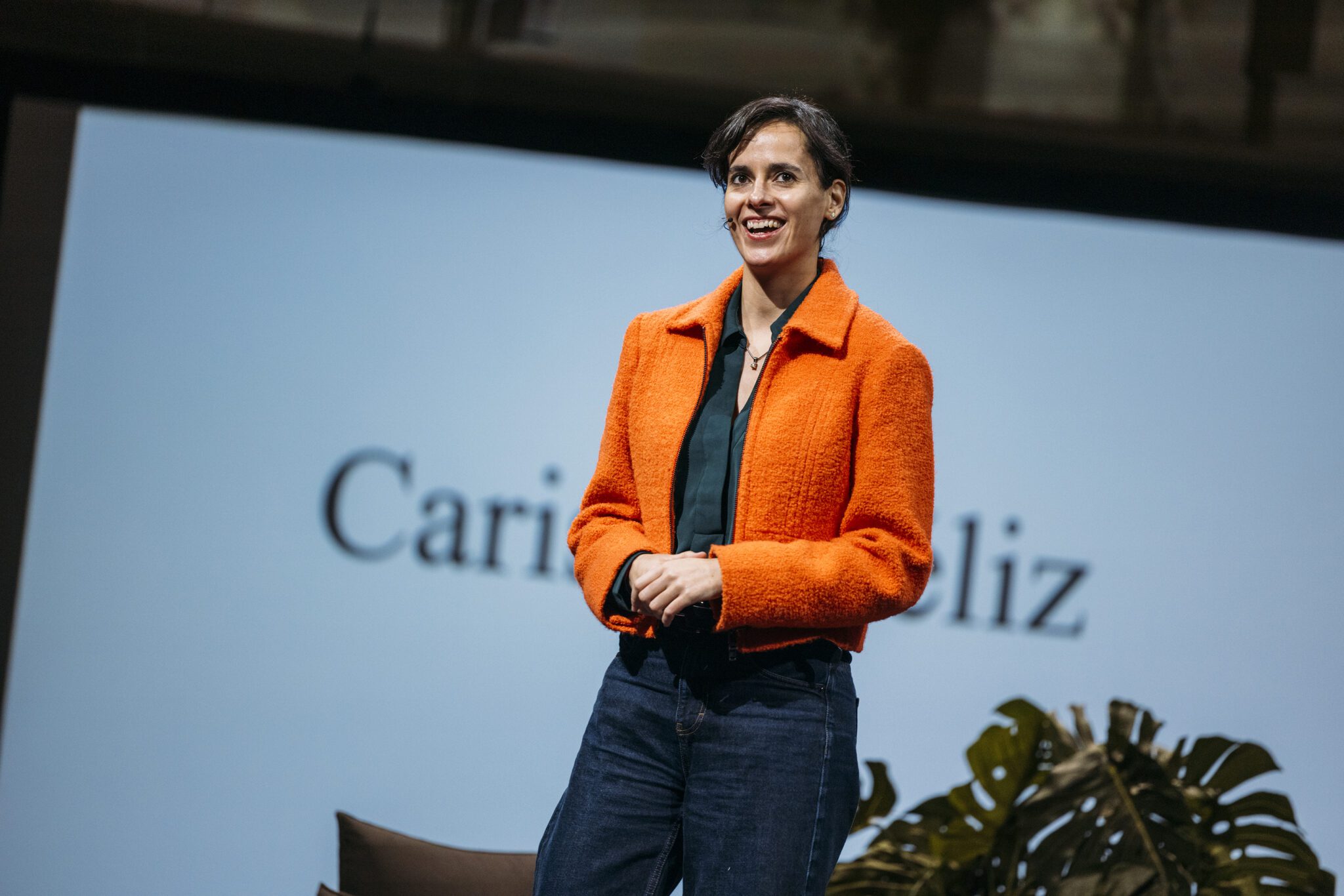
“A prediction is never a fact. At best, it’s a reasoned guess, and if we’re unlucky, a power play in disguise. We shouldn’t obey it before it even happens.” With these words, Oxford philosopher Carissa Véliz opened her keynote speech, after which she was interviewed by Sophie Derkzen. In her latest book , *Prophecy: Prediction, Power, and the Fight for the Future*, Véliz examines the struggle between predictability and uncertainty, and what it means for our democratic society if we believe that the future is already set in stone. “We must ask ourselves: Who stands to gain if this prediction comes true? Who benefits from it?” And: “The future isn’t predicted. The future is built—by us.”
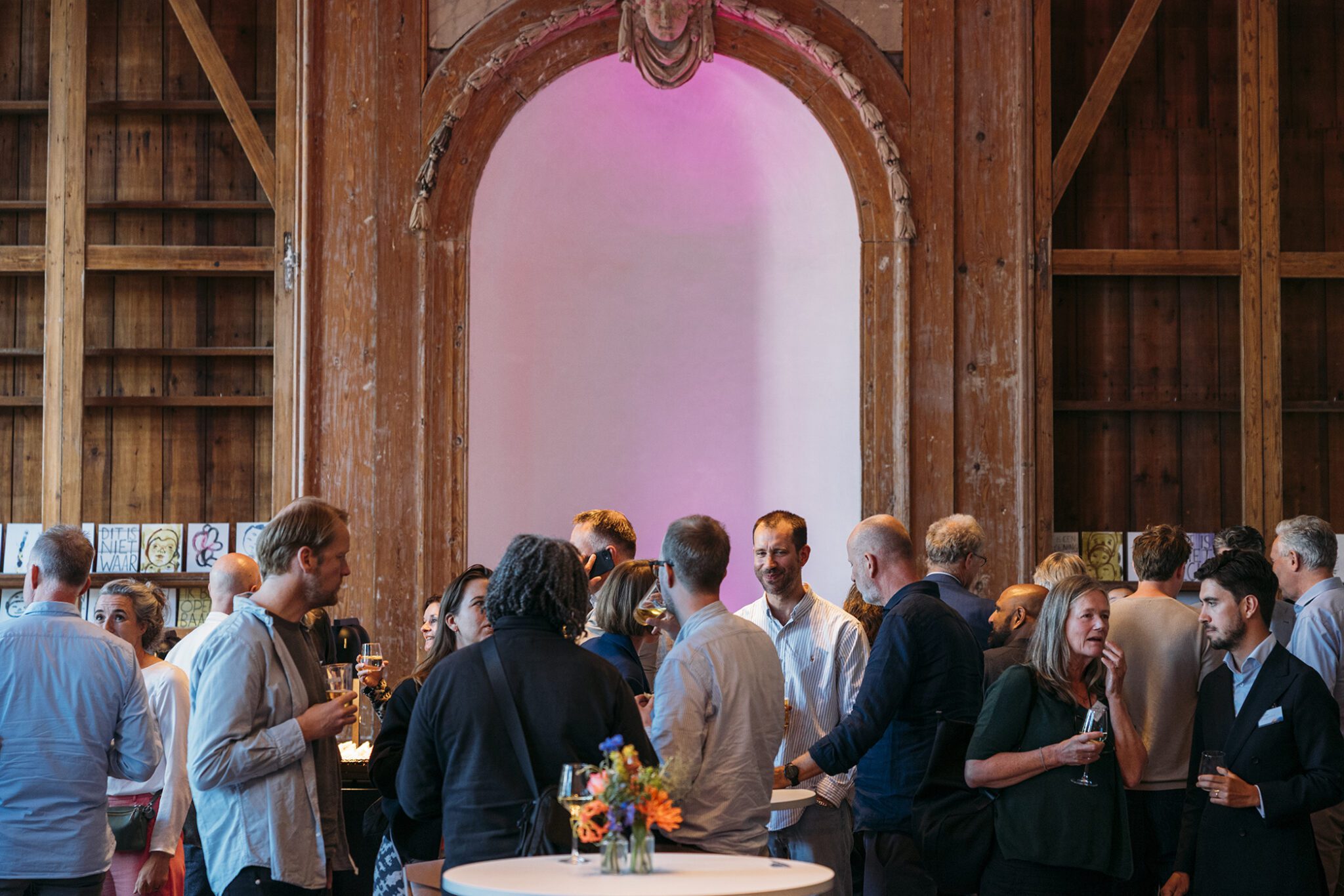
During lunch, participants shared their experiences so far and had the opportunity to network. This underscored what writer and columnist Marian Donner had told the participants: People are looking for an alternative to the virtual world in which we spend so much of our time. “Who owns the screens we’re staring at? Who has our attention? And above all: how do we get it all back?”
Breakout Sessions and Insights
In the afternoon, the participants split up into breakout sessions. For example, the 23 signatories of the urgent letter to informateur Sybrand Buma met. During the previous edition of Media for Democracy, the groundwork for such a joint letter was laid. Now, the signatories discussed the follow-up steps that have been taken and those that will be taken in the coming period.
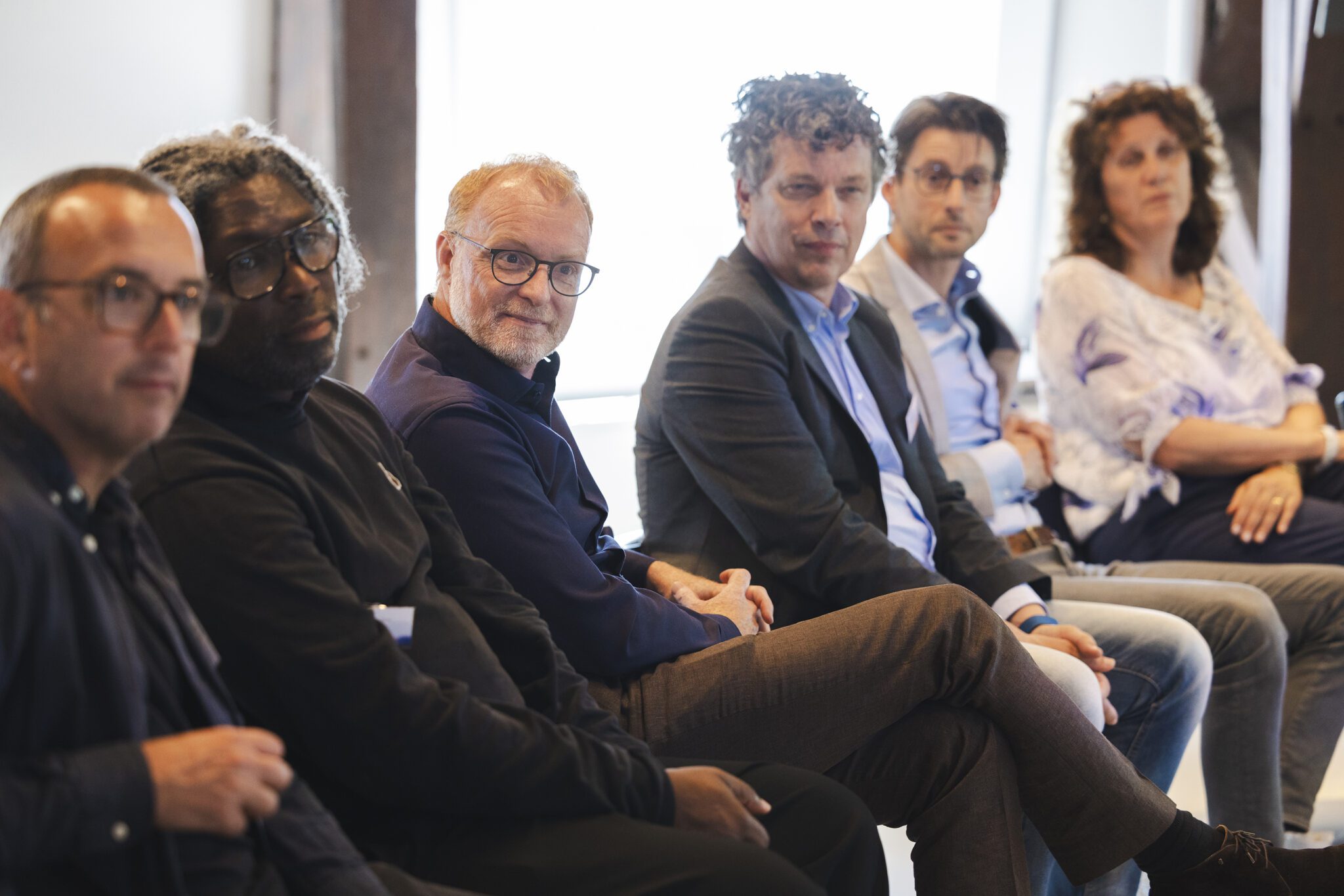
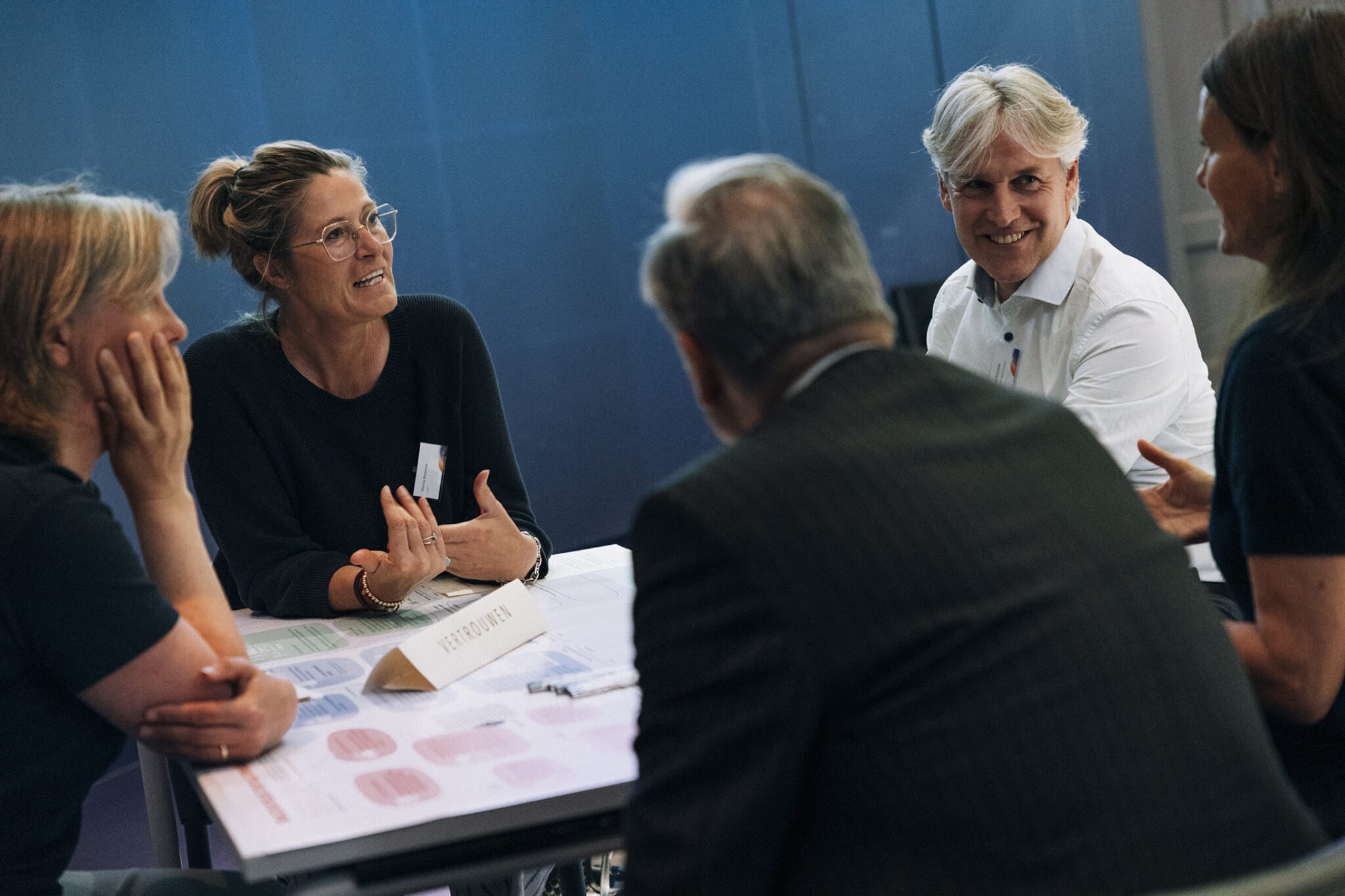
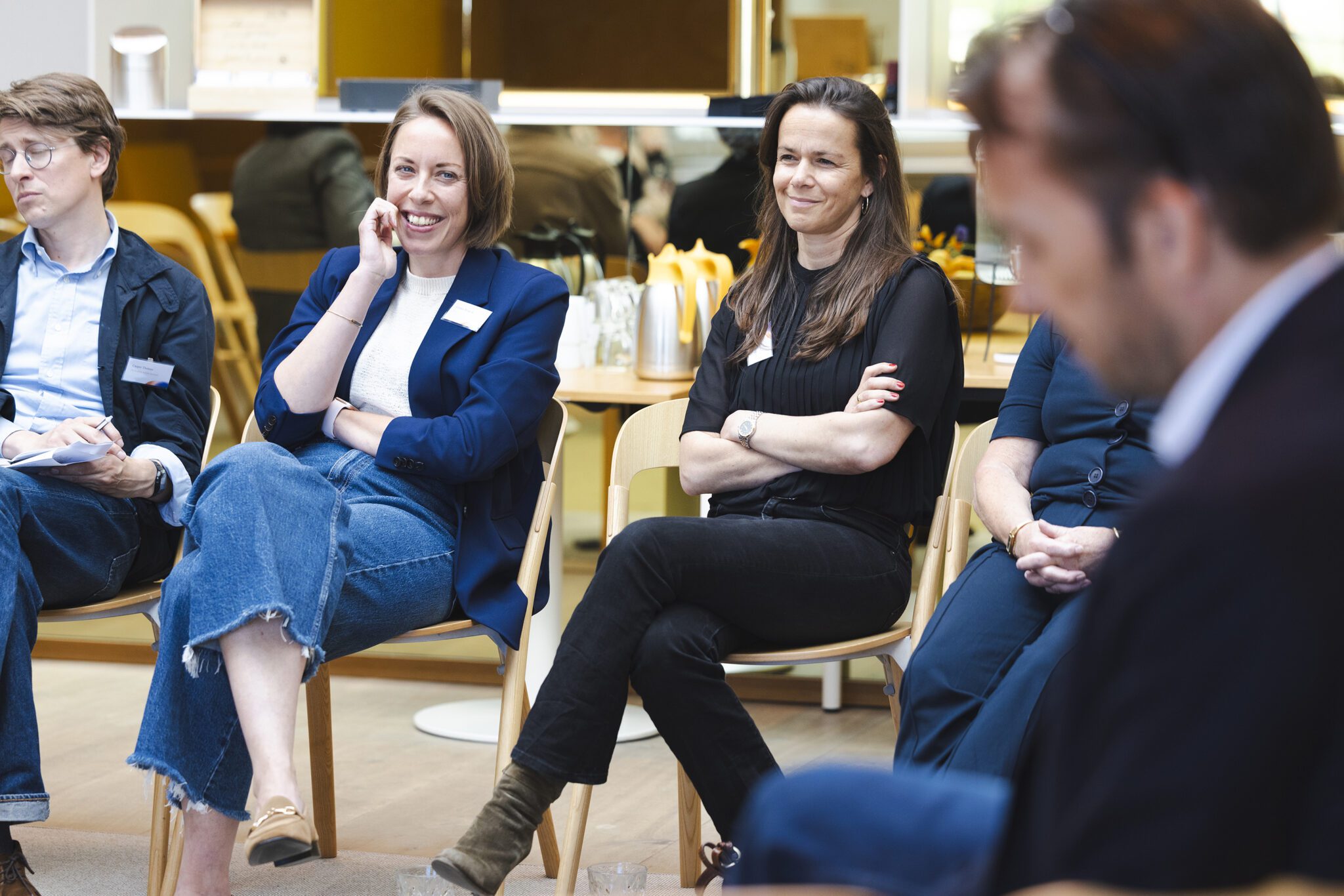
In the other breakout sessions, participants discussed how AI acts as an invisible news filter, how platforms’ attention-based logic distorts our journalism, the expectations of an audience with changing needs, and how to build journalistic organizations that move away from old structures.
Here are a few insights that emerged:
1. The future belongs to those who control their relationship with the public
“We’ve let tech companies pull the wool over our eyes,” said one participant. Over the past 25 years, Europe has failed to regulate global tech giants. Those companies have learned that they don’t have to worry about anything: move fast and break things. Large language models committed “the greatest theft in history” by scraping the entire internet. We now have the means to enforce the rules, but we’re not doing it.
However, according to the panelists, regulation without viable alternatives is doomed to fail. And that is where the biggest challenge lies. “We still have a few years to set a good example, to positively influence this field. By then, AI Agents and LLMs will be mediating between us and citizens.” What we need: an AI Agent that capitalizes on the opportunities to forge a new relationship with the public.
2. We need to “demystify” AI
Sam Altman or Elon Musk make some wild claim about the future of technology, and journalists flock to report on their predictions. Based on media coverage of AI, the average person gets the impression that it’s a train that can’t be stopped.
However: this is not a given. Véliz’s call to demystify AI resonates with the participants. We should be much more critical in our reporting, stimulate the imagination, and convey that the current form of AI is neither the only model nor the best model. At the same time, we shouldn’t underestimate people either. “‘AI’ is a derogatory term among young people for anything that’s fake and ugly.”
3. The Journalist as a Guide
Both journalists and citizens find the current media landscape overwhelming. With so much information out there, what more can you possibly add? “Public debate is broken,” one participant asserts. “And we’re working on the sidelines to fix it. We point fingers at each other, but the main culprit behind the broken public debate is Big Tech.”
This gives journalistic media a new role: that of a guide in an increasingly complex information landscape. The central challenge for journalists in this context is to make what is socially urgent understandable and relevant. This is no easy task amid a relentless stream of online information. One bright spot: people are willing to pay for things they consider important.
4. Who can still afford quality journalism?
Nevertheless, there are serious concerns about the emergence of a knowledge elite. Who will journalism be for in the future? Is there a divide between the digitally literate—who understand how technology, algorithms, and AI work, what the risks are, and what that means for the content they’re presented with—and people who are less skilled in these areas? The fear is that AI will be used by the masses as a news source, and that quality journalism will become merely an option for those who can or are willing to afford it.
5. We shouldn’t talk about “trust” anymore
“Trust” can be interpreted in many ways, which often leads to confusion. When we say that the public no longer has trust, are we talking about their trust in the media landscape, in individual journalists, in a particular publication, or in democratic institutions as a whole? Perhaps we should do away with discussions about the concept of “trust,” one participant suggests. And if we’re going to talk about it anyway, we need to be very clear about exactly what we mean by it.
6. The attention that social media seeks as a revenue model is not the same as what news media seek
What is attention? Conversions, clicks, or valuable attention? It’s either a form of distraction (“hours immersed in nothingness”) or being so captivated that you’re on the edge of your seat. The kind of attention that social media uses for its revenue model isn’t of the same quality as the attention that journalistic media seeks. This is a challenge, because the latter often depend on the former for their reach.
It’s difficult to determine why something performs well on these platforms. Algorithms aren’t transparent, but shadow banning poses a problem for journalistic freedom. Even now, (young) journalists are self-censoring—a chilling effect —because otherwise they’ll end up lower in the rankings of social media platforms.
Watch the aftermovie for Media for Democracy 2026, created by Susan Koenen and Nizar El Manouzi:
More about who we are and what we do