Journalism Three-Day Event: ‘In five years, we don’t want to be pigeonholed in the classical music corner’
Journalism Three-Day Event: ‘In five years, we don’t want to be pigeonholed in the classical music corner’
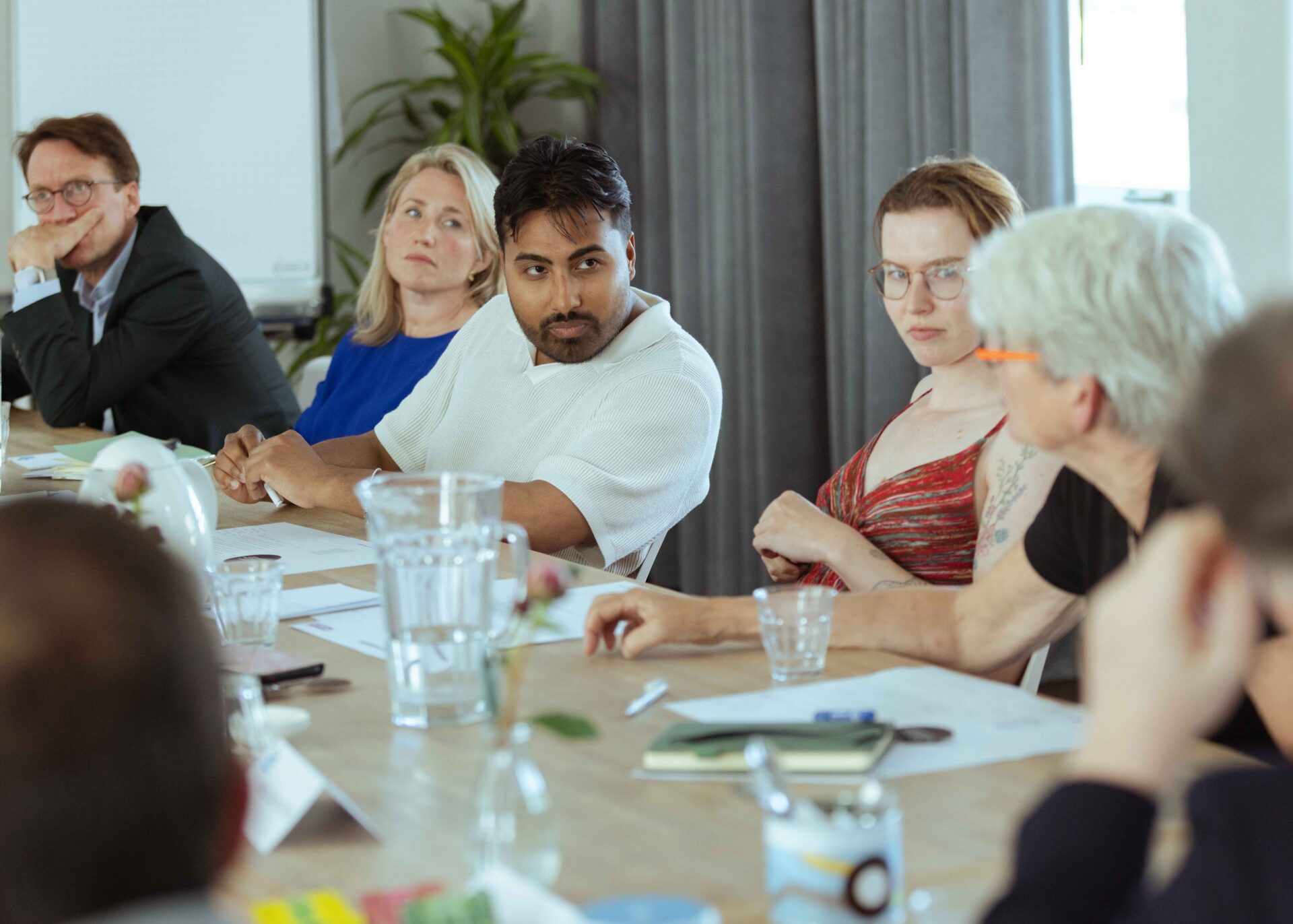
At the initiative of the Democracy and Media Foundation (SDM), some twenty forward-thinking journalists, editors-in-chief, and researchers gathered in late November for the Three-Day Journalism Conference in Breukelen. For an entire weekend, they grappled with the question: What must journalism do to maintain—or even regain—its relevance and influence with the public?
“It pays to slow down, no matter how urgent the situation may be” and “Reach out to one another—we don’t have to do this alone.” As Sunday morning rowers glide past on the Vecht, the participants wrap up the Three-Day Journalism Event. The shared sense of urgency about how to reach that audience prevails from start to finish. “In five years, we don’t want to be stuck in the classical music corner,” concludes one participant, referring to the warning from Professor of Communication Rasmus Kleis Nielsen.
For three days, journalism professionals from 13 different news organizations (including NU.nl, de Volkskrant, BNNVARA, and RTL Nieuws) came together to explore journalistic issues and identify concrete next steps for a future-proof journalism.
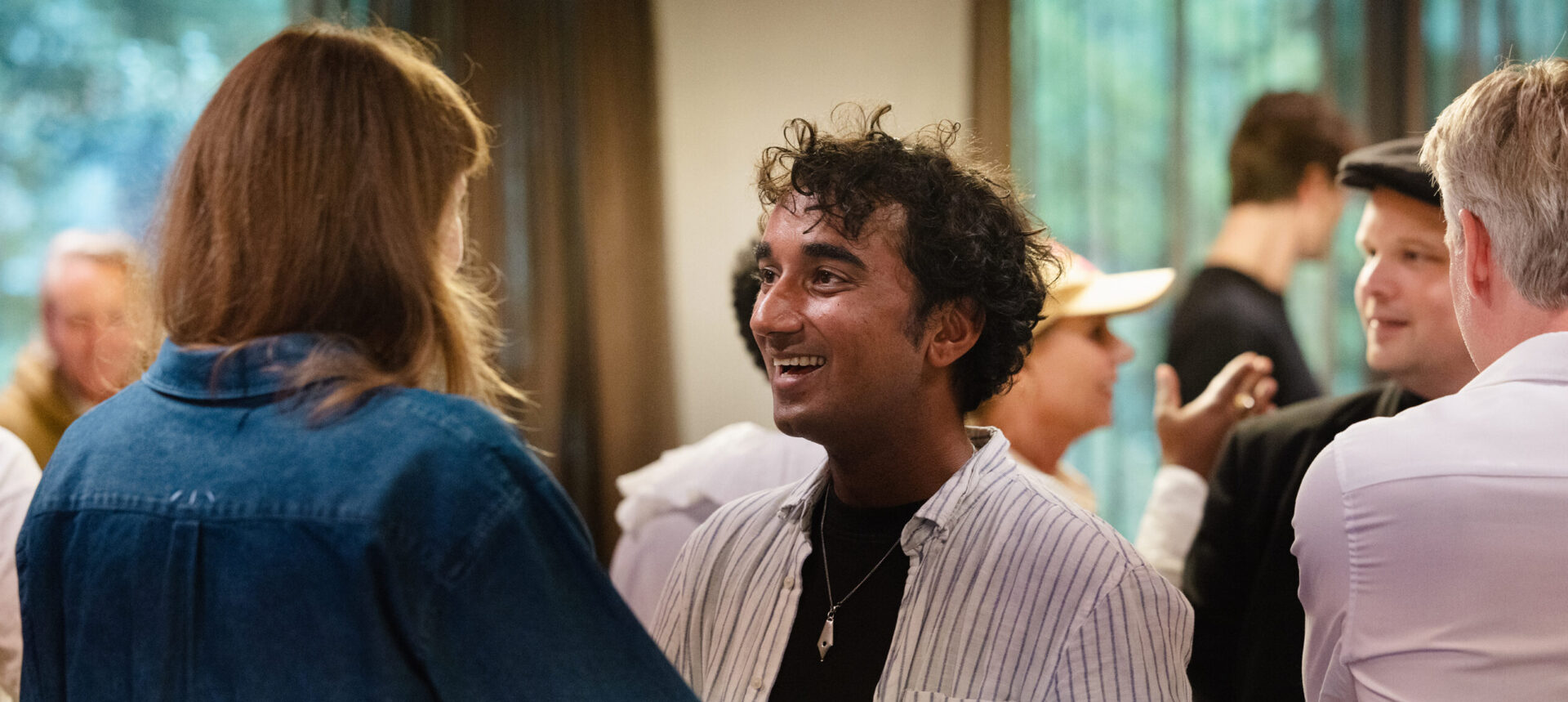
What was unique was the sense of camaraderie, despite their different journalistic backgrounds: “If you set aside the competition and jealousy among us, we can learn a tremendous amount from what’s going on with each other,” said one of them.
Why a Three-Day Journalism Workshop?
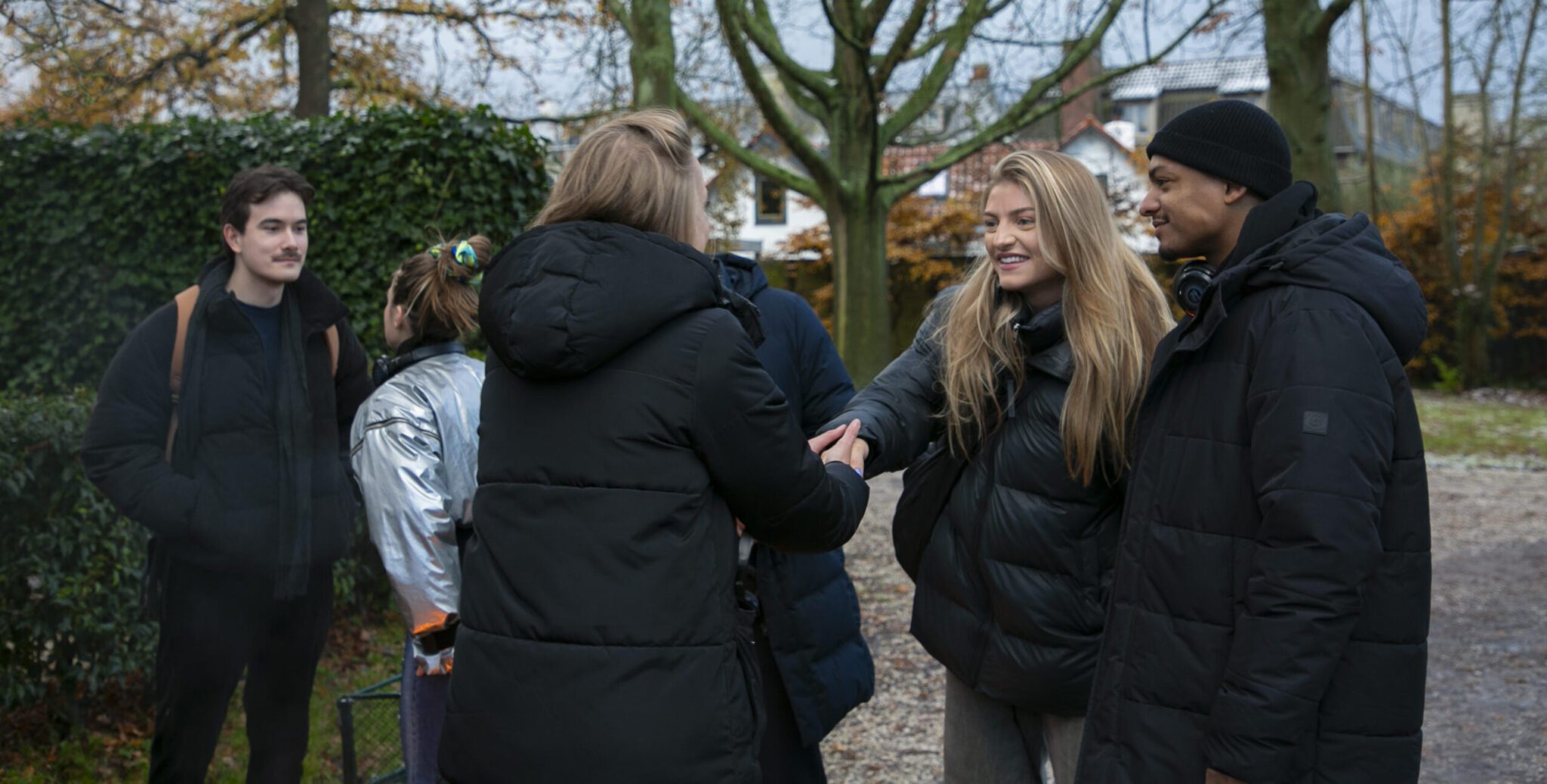
With this three-day event, the Democracy and Media Foundation aims to provide a private space—away from daily deadlines—where journalists can openly discuss their concerns, refine their thinking, and inspire one another as they grapple with the major challenges facing journalism. Through this three-day event, we also hope to offer participants practical guidance for taking action.
We do this based on the premise that journalists play an indispensable role in a democratic state governed by the rule of law. To enable in-depth and confidential discussions and to ensure an open atmosphere, we invited a select group of journalists who, thanks to their expertise, sense of urgency, and forward-looking perspective, could contribute to this conversation.
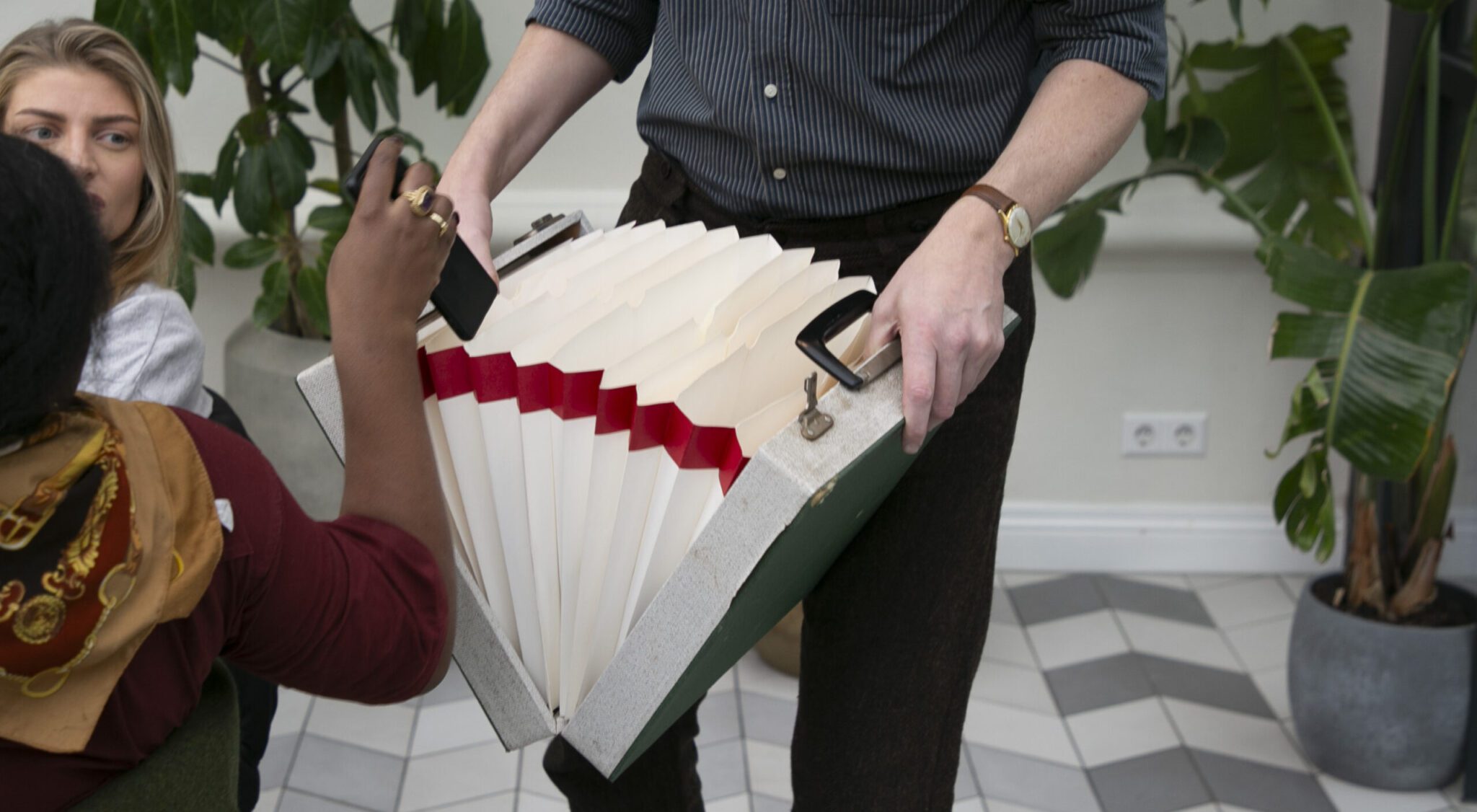
Five Insights
The participants worked toward a shared understanding of the central question (What must journalism do to maintain—or even regain—its relevance and influence with the public?). To this end, they received substantive input from three critical thinkers: Maxim Februari, Hans Boutellier, and Alyt Damstra. In addition, they explored how they could contribute to this in their own work. This resulted in five insights.
- Trust and connection are essential
The bond between the media and its audience is fragile. Journalists must find ways to connect with an audience that has, at times, lost trust in the media. Understanding that audience is a prerequisite for building that connection. It is to be hoped that the media is deeply enough rooted in society to achieve this.
The assumption that “if it’s in the newspaper, it must be true” has long since ceased to hold true; in fact, even the best reporting is worthless without trust. There is therefore a great need for reflection and self-criticism regarding journalistic practices, as well as honesty about editorial considerations and choices. But transparency is not a panacea—it can also invite criticism.
- No longer a monopoly or gatekeeper
The context in which journalism operates has changed dramatically: it has lost its monopoly. Journalism finds itself in an “anarchic information space,” Maxim Februari notes, where an abundance of information and a scarcity of attention prevail. There, journalism competes for attention with streaming services, influencers, and social media platforms. Amid this abundance of information, there is a need for new gatekeepers to provide direction, Hans Boutellier believes, and journalism could play a role in that. But journalism’s claim to “the truth” has been lost along with its monopoly position.
- Changing Roles
Journalism can no longer operate on the basis of authority, but must earn the public’s trust by working together with the public to identify where its own added value lies. What is the role of journalism in this changing information landscape? The basic functions of journalism—informing, verifying, and providing a platform for debate—remain indispensable to a well-functioning democracy, says Alyt Damstra, but the question is whether these functions are still the exclusive domain of journalists. What about the “softer” functions of connecting people and building trust—because there is so much that is going well in our society. It might be valuable to start from scratch and rethink what society actually needs from journalism.
- Economic and Democratic Interests at Odds
Journalism is both a public and an economic service, but these interests can be at odds with one another. “Journalism is a market failure,” one participant quotes her former professor: there is a market for consumers who want a new vacuum cleaner, for people seeking entertainment, and for professional issues, but what about information for citizens? Under the yoke of controlling algorithms and changing revenue models, economic motives can supplant democratic values. Polarization is nothing new, but in our post-sectarian society—facilitated by social media—it takes on more extreme forms than, say, fifty years ago, argues Hans Boutellier. Enmity has become a revenue model. Journalism must refocus on serving the public interest, moving away from the “you ask, we deliver” approach, despite challenging market conditions and competition.
- You have more influence than you think
Individual journalists and researchers are not powerless in the midst of this complex interplay of forces. We explored specific questions together, such as “How do I make my editors see that it’s a missed opportunity if we don’t reach our future audience—young people—at all?” and “How do I ensure that my editorial team has personal contact with our audience?” Obstacles turned into opportunities and possibilities. “I’ve discovered what small and big steps I can take as early as tomorrow to make progress in my work—I’m still buzzing with excitement,” said one participant afterward. 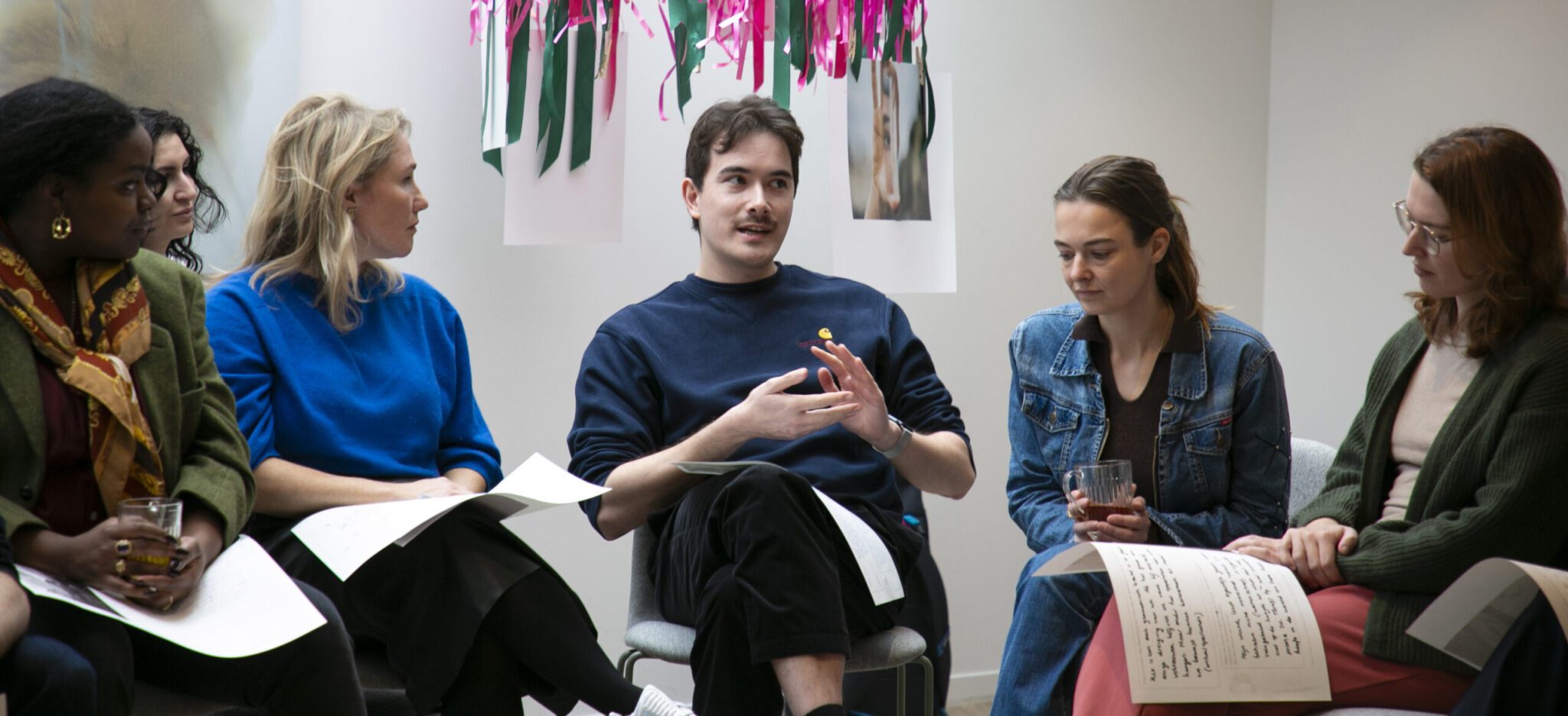
Substantive contributions
In conversation with three critical thinkers, the relationship with the audience was explored in greater depth.
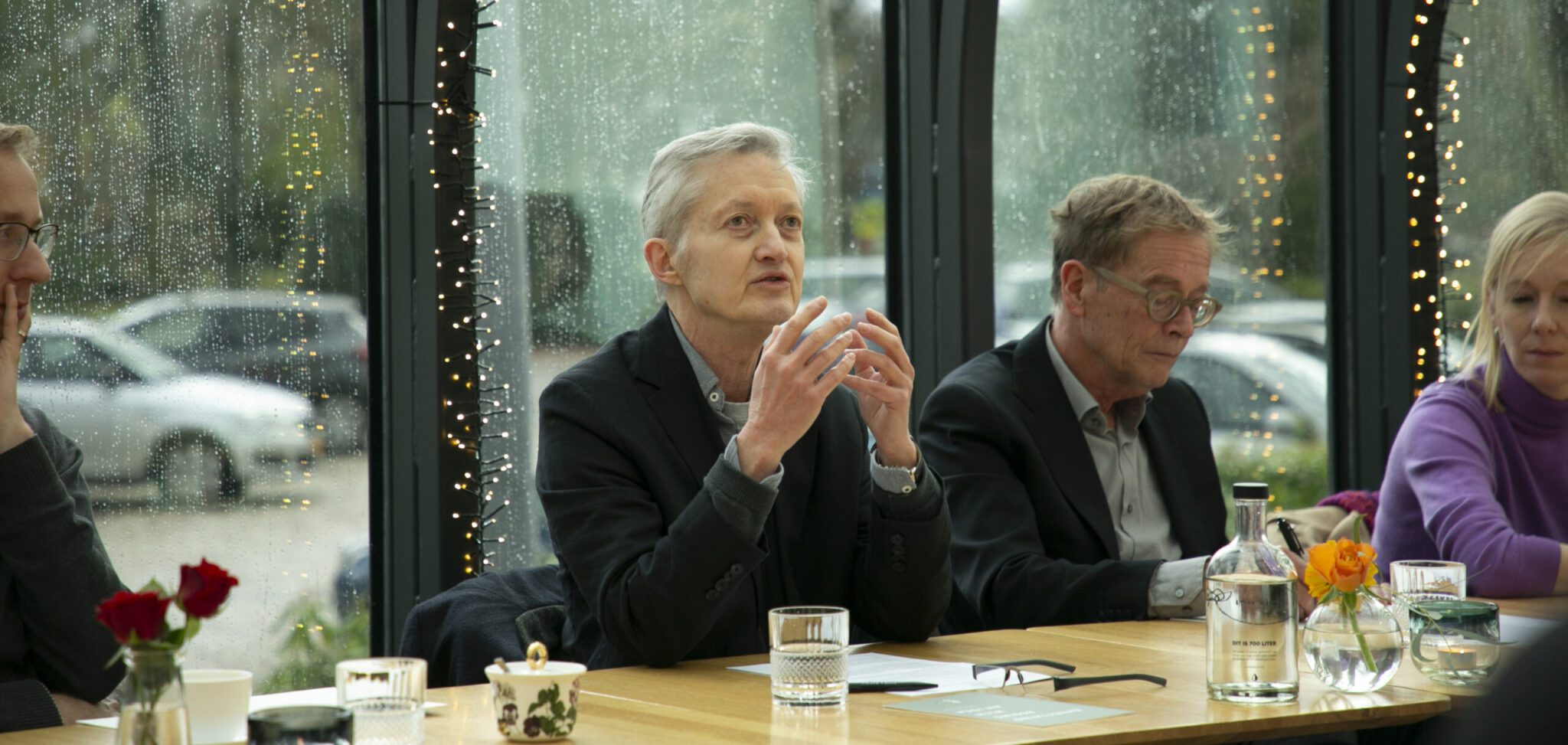
Legal philosopher Maxim Februari spoke about the growing datafication of society. Citizens are increasingly critical of the old frameworks for information: why are journalists and scientists actually the guardians of the truth? It no longer works to lecture from on high about how reality works, Februari observes. The democratic rule of law is changing rapidly, and so is the role of journalism. But, he says, it sometimes seems as if the media are more concerned with “force protection”—protecting their own camp—than with their journalistic mission.
Hans Boutellier, Distinguished Professor of Polarization and Resilience, offered insight into the sociological shift in society—from a pillar-based society to an identity-based network society. In the past, identity was entirely defined by one’s social pillar; today, people seek a collective to which their identity belongs. Polarization is a timeless phenomenon, according to Boutellier, but it takes on more pronounced forms in today’s identity-based network structure and is significantly fueled by social media. Politics has become pragmatic, and research shows that people perceive the political sphere as follows: 1) they don’t see us, 2) we don’t see them, and 3) they can’t do it. Could this also apply to journalism?
Finally, Alyt Damstra discussed the recent WRR report *Aandacht voor media* (Focus on Media ). The report examines the media landscape through a democratic lens. The playing field for journalistic media has changed dramatically, Damstra told the group, noting that 80 percent of advertising revenue flows out of the country. How do you survive as a journalistic outlet when economic motives take precedence? At the local level, this means a decline in media offerings, even though there is a great need for them among the public. She argues that new media policy is needed to preserve the basic functions of journalism (informing, scrutinizing, and serving as a public forum).
Continued
We look back on a rewarding weekend marked by an open and reflective atmosphere, during which we took the time to address the complex challenges we face together. The Democracy and Media Foundation sees its role as creating a space for journalists to reflect, discuss, and exchange experiences about the journalistic profession. In 2025, we will continue this work with a new series of journalistic reflection sessions and a second edition of the “Media for Democracy” event.
Thank you
The Three-Day Journalism Event would not have been possible without the efforts of Niels Büller and Lisette Lubberman of Van de Bunt, and Swaantje Nijkamp and Silvie Konings of Buro Curious.
“SDM offered the ideal mix of peace, reflection, and personal attention this weekend. It helped us not only to gain a deeper understanding of the challenges facing our profession, but also to advance our own initiatives for stronger journalism.” – Bas van de Beek, Woo specialist at Follow the Money
“Building your brand and your image. Creating stories that matter. Reaching your audience as effectively as possible and helping them move forward. News organizations have their hands full. Yet we managed to step away from the hustle and bustle for these three days and truly reflect. I went in with a very fundamental question: How do we connect with our audience? It’s truly remarkable that this weekend, we primarily found connection with one another. “With these like-minded colleagues (and I’m sure there are many more in the media), we’re giving wings not only to journalism but also to our audience.” – Lindsay Mossink, editor-in-chief of NU.nl
News and articles