Journalistieke Driedaagse 2026: ‘Journalism is playing chess on an old board, while others have long been playing on a new board according to new rules’
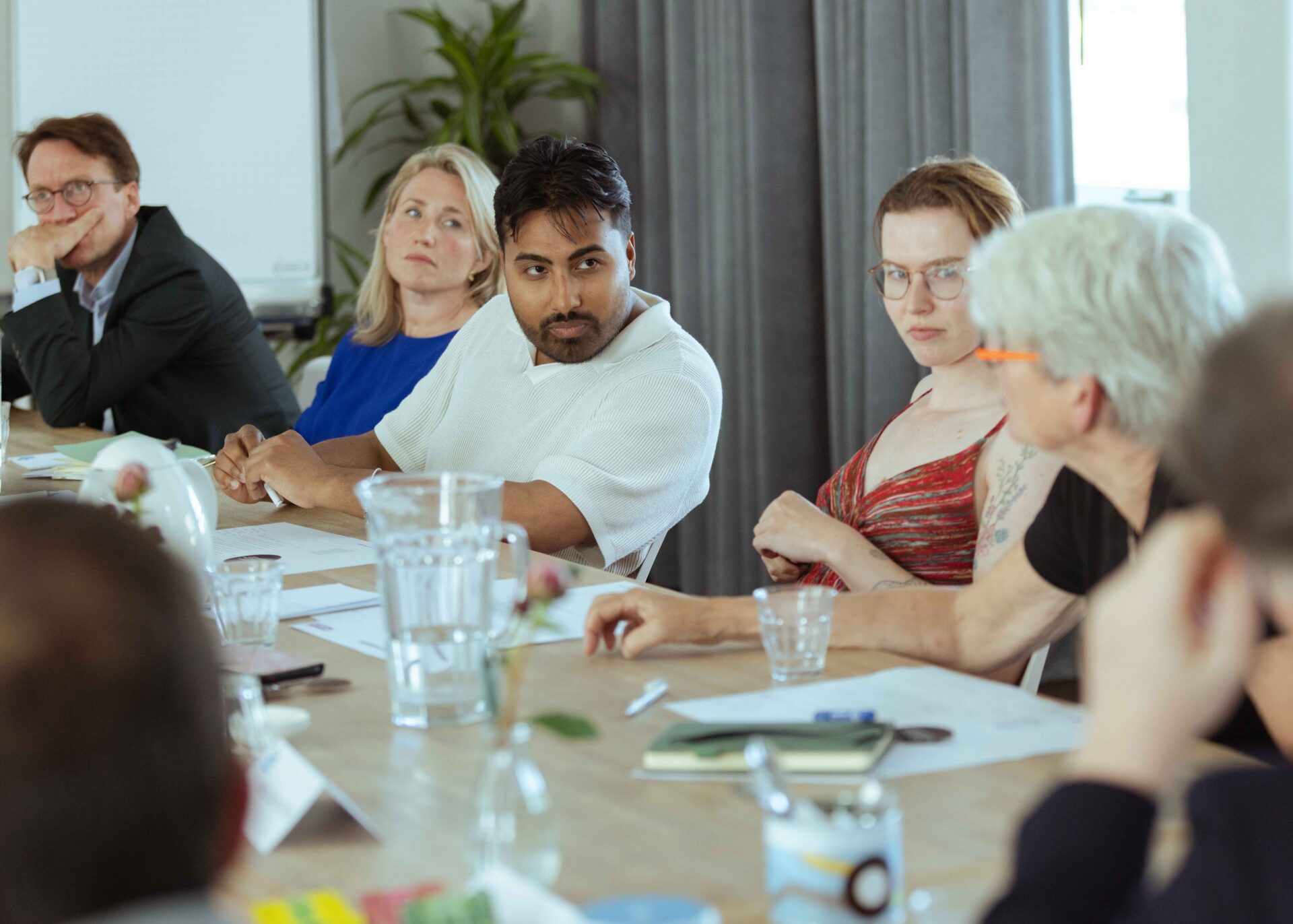
Earlier this year, the Democracy and Media Foundation organized the Journalism Three-Day Event for the second time. Twenty-four journalists from organizations including NOS, NRC, De Gelderlander, and Pointer spent three days exploring the question: What can be the democratic role of journalists in today’s communication culture?
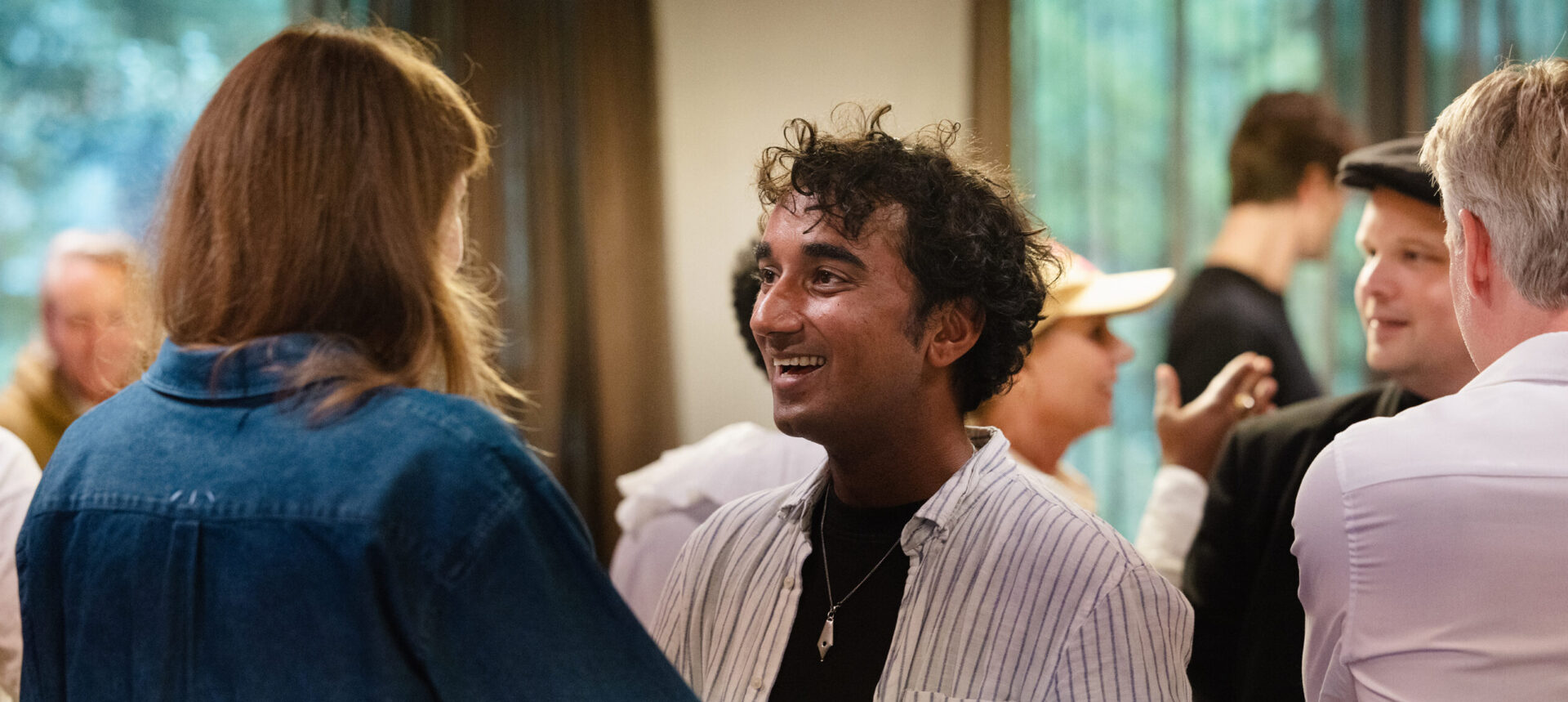
“We’re all in the same storm, and we’re more colleagues than competitors,” and “I’m leaving here feeling more hopeful than when I walked in.” With these insights, participants wrapped up the Three-Day Journalism Workshop. While political developments are unfolding at breakneck speed and journalistic work continues, the participants spent a weekend reflecting on the role journalism can play in 2026.
According to American journalist Sean Illing, democracy is, at its core, a culture of communication—even more so than a system of institutions or laws. Every change in the means of communication—such as the advent of television in the 1960s—fundamentally challenges our political culture, and thus democracy itself.
Today, the rise of social media and the far-reaching digitization of our communication are shaping our democracy, and this has consequences for journalism. Traditional news media no longer serve as gatekeepers; they must compete with other players in the information landscape, and as a result, their business models are under pressure. What democratic role remains for journalists?
Why a Three-Day Journalism Workshop?
With the Three-Day Event, we hope to offer participants practical insights. We do this based on the premise that journalists play an indispensable role in a democratic state governed by the rule of law. To enable in-depth and confidential discussions and to ensure an open atmosphere, we invited a select group of journalists who, due to their expertise, sense of urgency, and open-minded outlook toward the future, could contribute to this conversation.
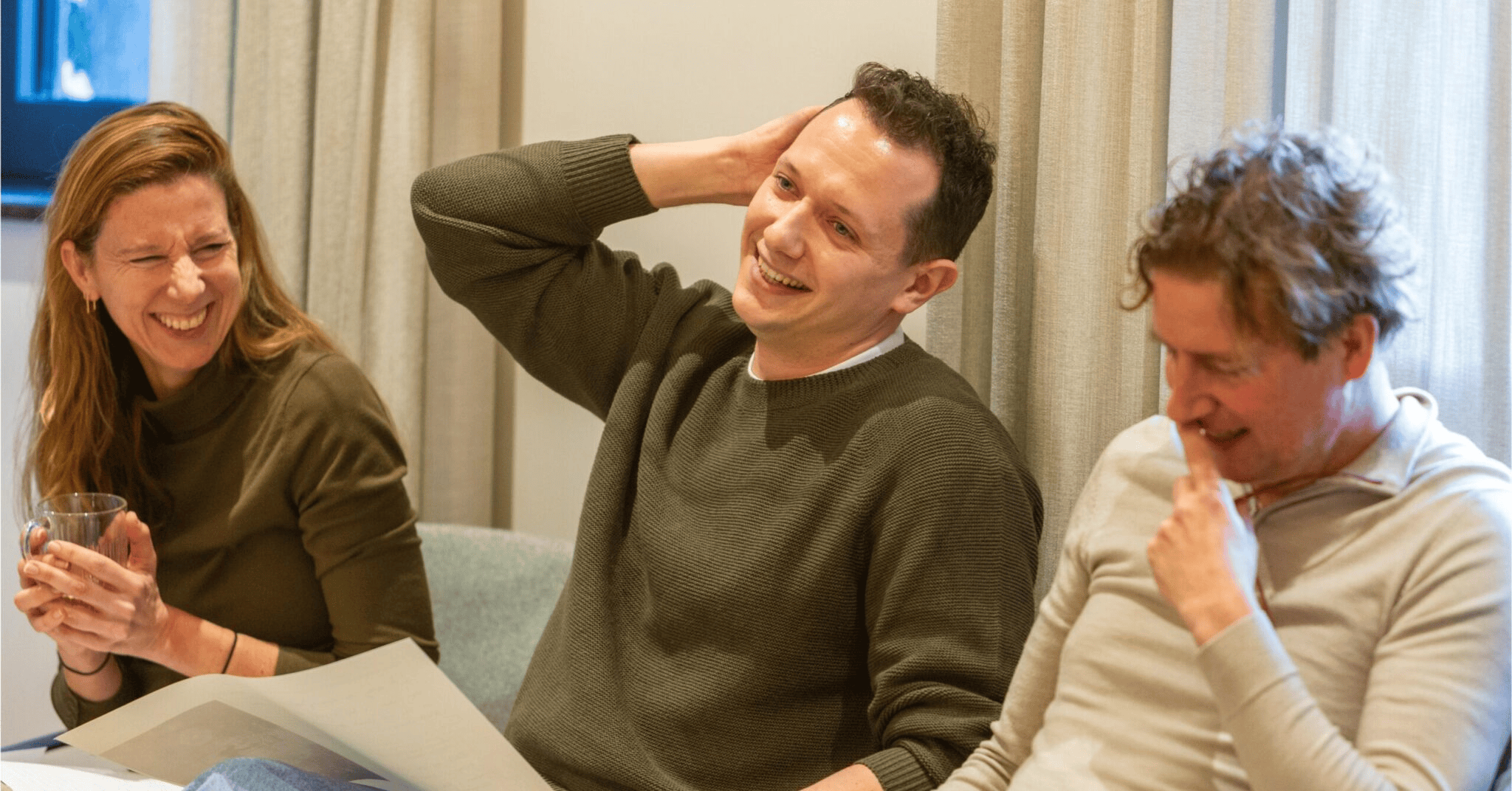
With this three-day event, the Democracy and Media Foundation aims to provide a private space—away from daily deadlines—where participants can reflect on their democratic role in complete openness and without any vested interests. A place where they can voice their concerns, sharpen their thinking, and inspire one another as they tackle the major challenges facing journalism.
Four Insights
During the Three-Day Event, participants were inspired by various thinkers. For example, they engaged in a discussion with Hans Boutellier, a distinguished professor of polarization and resilience, who explained how social compartmentalization has given way to a “bubble society.” Writer and columnist Kustaw Bessems asked participants, among other things, whether it is still possible to engage in a public debate. Marian Donner, a writer and columnist, presented participants with a dystopian vision of the future of journalism.
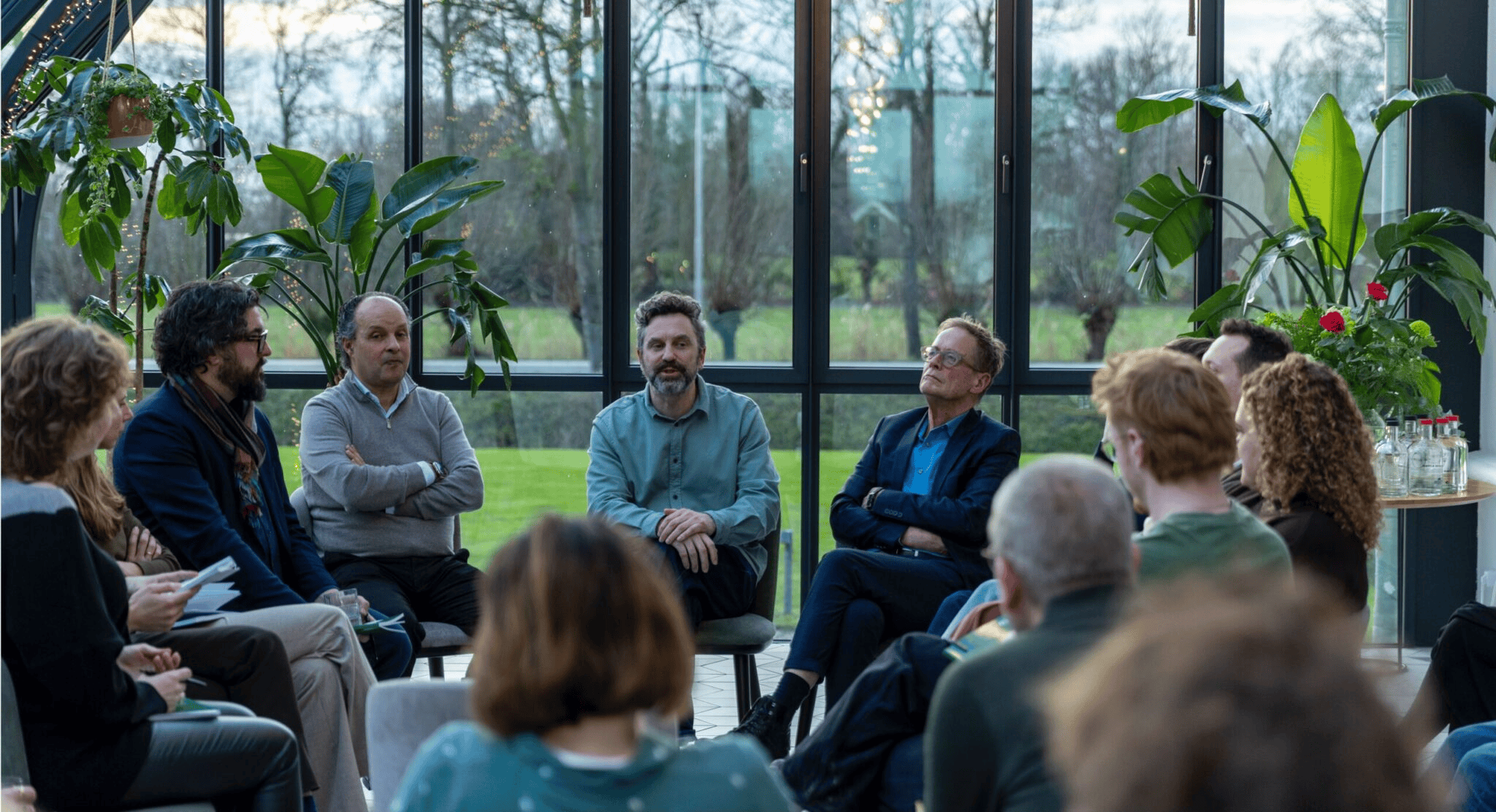
Together, the participants explored what is at stake for journalism in an era of polarization and shifting democratic dynamics. “Journalism is playing on an old chessboard, while other players have long since adapted to a new board with new rules,” was one of the conclusions. The discussions yielded the following insights:
1. From Compartmentalization to “Bubbling”
Whereas the Netherlands was once characterized by compartmentalization, we now see an identity-based network structure. No longer stable pillars, but fluid networks and digital bubbles. Yet this “bubbled” society is also characterized by strong identities and “us-versus-them” thinking—fundamental elements of polarization. The question that therefore arises is: Is there still a common space where differences can be politically debated without degenerating into hostile thinking?
2. The Role of Journalism
This presents a crucial challenge for journalism. Can it help reframe hostility as political difference? Not by glossing over differences, but by placing them within a democratic framework. This means that journalists must do more than simply repeat newsworthy statements. But what exactly does that mean?
3. Truth or Truthfulness?
In an age when everyone seems to have their own facts, the perspective on what the truth should be is shifting. “People love facts, but they hate the truth,” says Sean Illing. At the same time, there isn’t just one simple truth that can be “found” to counter a lie. What is therefore necessary is truthfulness—an honest portrayal of complex reality, based on an investigative attitude and genuine curiosity. The journalist is no longer an all-knowing authority, but rather a guide through a jungle of information. This calls for both humility and tenacity.
4. Should we preserve the role of journalism or journalistic functions?
Journalism is often equated with the profession of delivering the news. But more important than that are the functions of journalism: informing, scrutinizing, interpreting, and connecting. Journalism is not about the “who” but about the “how.” As new players, such as newsfluencers, take over some of these practices, what do we mean by “journalists”? Journalism, just like democracy, cannot be defined by its institutions—newspapers, TV broadcasters, journalists—but rather by journalistic functions, practices, and values.
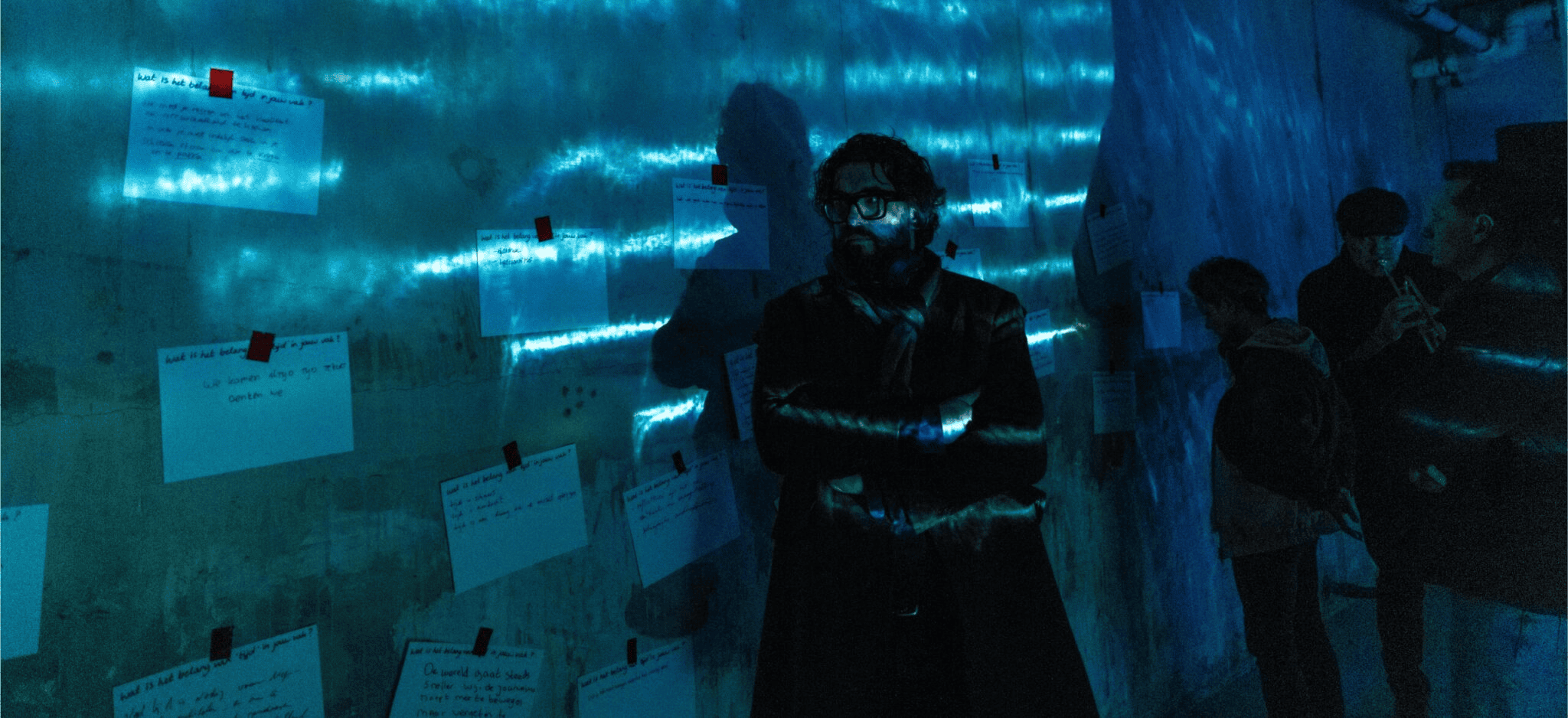
Continued
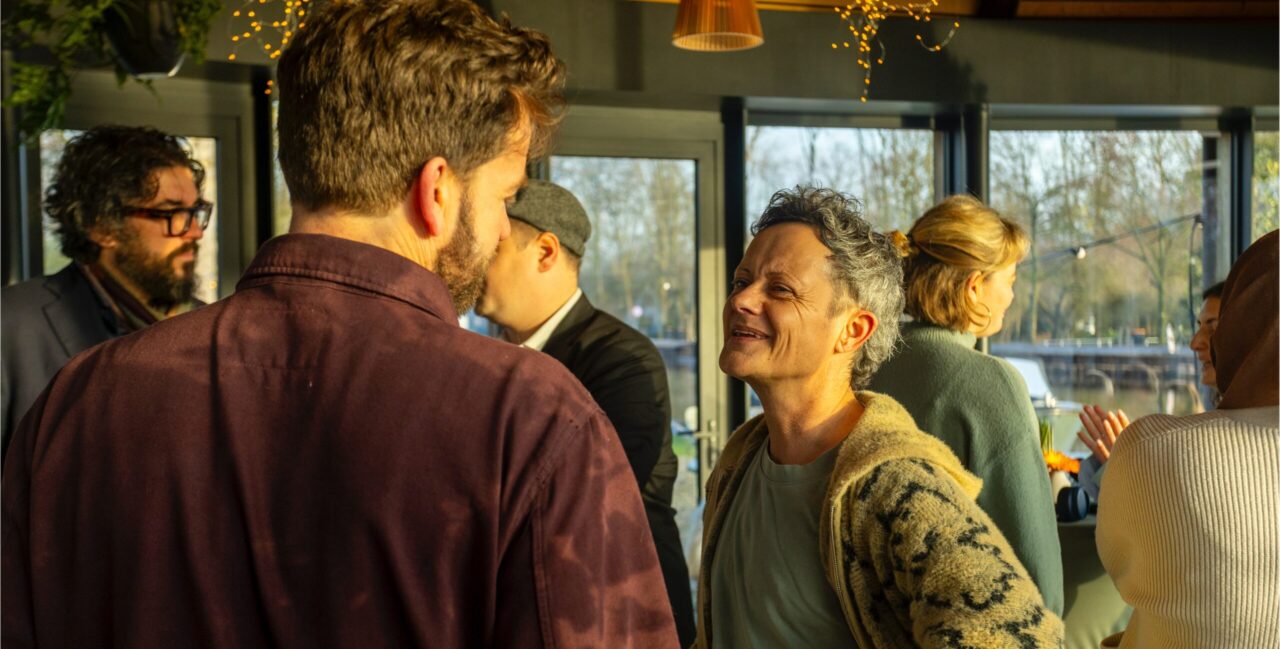
We look back on a valuable weekend marked by an open and reflective atmosphere, during which we took the time to address the complex challenges we face together. In 2026, the Democracy and Media Foundation will create more opportunities for the journalism sector to exchange experiences, discuss, and reflect on the profession—for example, at the third edition of our annual event, Media for Democracy.
Thank you
The Three-Day Journalism Workshop would not have been possible without the dedication of Lisette Lubberman, Niels Büller, and Maikki Huurdeman from Van de Bunt, Swaantje Nijkamp from Buro Curious, and Silvie Konings. Finally, many thanks to the participants of the Three-Day Event for their openness and engagement.
News and articles